
In today’s industrial world, accuracy and flexibility are not just nice to have anymore—they are key to success. Aluminum CNC machining plays a vital role in current manufacturing, which combines exact control with the skill to create intricate shapes that traditional ways simply can’t handle. The worldwide move to materials that are both light and strong—especially in areas like aerospace, cars, and electronics—has made advanced ways of working with aluminum even more important. Custom CNC machining turns ideas from designs into working parts with tolerances down to microns, which keeps things uniform in big production batches.
As a top manufacturer, XiHui Aluminium shows this change well. We bring 33 years of know-how to the field. We focus on aluminum extrusion profiles. Our setup includes 15 extrusion lines, 2 anodizing lines, 2 powder coating lines, and 40 CNC deep processing lines. Our skills cover everything from designing extrusions to finishing surfaces and putting parts together. This lets us provide full solutions made just for what clients need. With more than 10,000 molds already in use and a strong R&D team creating new patented ideas, we assist various industries in turning fresh concepts into tough aluminum products that last.
Importance of Analyzing Blisters in Aluminum Extrusion
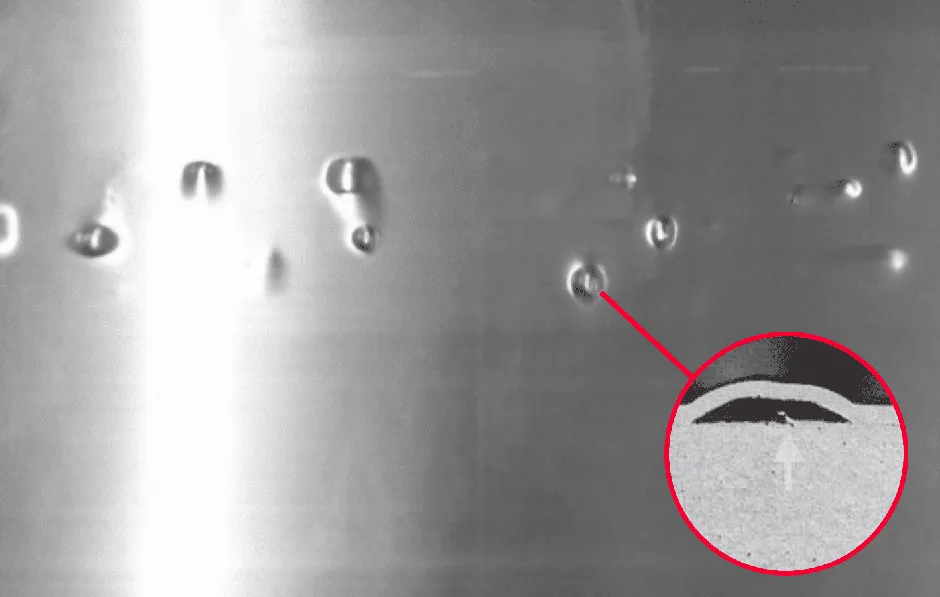
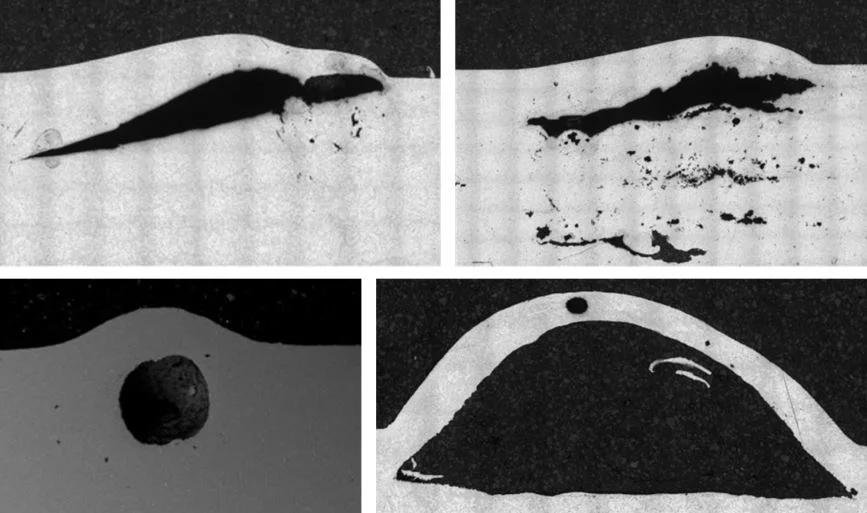
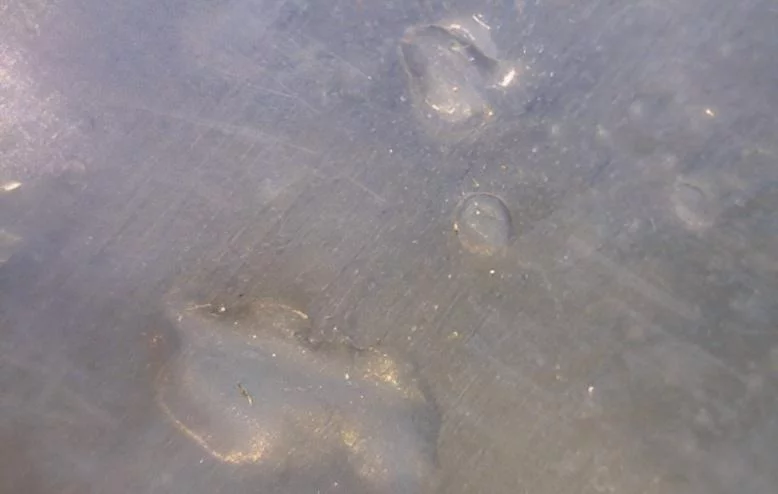
Even with advances in technology, problems like blisters in extrusion remain ongoing issues in making aluminum. These bumps on the surface harm the look, and they also reduce how strong the structure is. A blister points to gas caught inside or bad heat management while extruding—problems that can spread tiny holes or breaks when under pressure. So, looking closely at how blisters form is key to making products more dependable and cutting down on wasted materials.
Factors Contributing to Blister Formation in Aluminum Extrusion
The cleanliness of the material sets how well extrusion works. Leftover gases or dirt in the billet can grow when heated. This leads to empty spots under the surface. Those spots then move to the top as blisters. Industrial aluminum profiles come from melting and pushing aluminum bars into different section shapes. Various alloy mixes give unique strength traits and uses. If degassing isn’t done right or dirt gets in during pouring, hydrogen gas enters and stays stuck in the material. Good prep for the billet, which includes vacuum degassing and even heating, cuts down on holes and makes sure the density is the same before extruding.
Why Is Billet Temperature Uniformity Critical?
Differences in heat inside a billet make the flow resist unevenly as it extrudes. Areas that get too hot can rust or let out gases held in solution close to the outer layer. At the same time, cooler spots fight against shaping, which creates uneven pressure and starts small bursts. By managing the heating carefully, we keep the heat even over the whole section of the billet, which steadies the way metal moves through the die opening and stops gases from building up.
How Do Extrusion Speed and Pressure Parameters Affect Surface Quality?
Too much speed from the ram builds extra rubbing heat where it meets the die. This speeds up how gases grow in the middle of the billet. On the other hand, pressure that varies leads to metal flow that starts and stops. That traps small air spaces between softened material layers. By finding the right mix of speed and pressure, we lessen the rough flow caused by rubbing at the die’s end—a main reason for getting even surfaces without blisters.
What Role Does Die Design Play in Preventing Blisters?
The shape of the die controls the path of soft aluminum through passages before it comes out as a firm shape. Dies that are tricky or not balanced usually cause speed spreads that are not even. These make still areas where gases gather. Dies with smooth shapes encourage steady flow lines and cut hot spots from heat along the die sides. Plus, good oiling reduces rubbing heat. Coatings that work well keep the contact between the metal and die steady, even with high pressure.
CNC Process Factors Affecting Aluminum Extrusion Quality
After a pushed-out shape cools down, later CNC steps like cutting or boring might show hidden flaws under the surface, such as blisters, if the cutting settings don’t match the material’s firmness or leftover stress patterns. Exact machining makes sure sizes are right without making old problems worse. For instance, our CNC Metal Machining Service OEM Customized Metal Aluminum Turning Parts gives a ±0.01 mm tolerance. It uses alloys for aircraft quality (6061 and 7075). This guarantees both nice looks and solid performance in parts for automation or renewable energy setups.
How Does Integrated CNC Technology Enhance Quality Control?
Modern CNC setups include tools for watching in real time. These can spot changes in size tolerances or surface smoothness while machining is happening. Automatic loops that give feedback change the spindle speed and feed rate on the fly. They fix wear on tools or shifts from heat and thus stop extra problems from shaking or getting too hot. When paired with smart checking methods like laser checks or systems for measuring coordinates (CMM), manufacturers can follow flaw sources back to exact extrusion setups.
Material Flow Behavior During Extrusion and Its Impact on Surface Defects
How Do Thermal Gradients Influence Metal Plasticity During Flow?
Temperature changes set how thick the flow is inside the billet as it deforms. When one part gets softer quicker than another, rates of stretching differ along the die route, which stirs up rough movement that catches gases close to areas likely to get blisters. The right setup for the furnace makes sure the heat rises slowly. As a result, the ability to bend stays the same throughout the zones where metal flows.
Why Do Shear Zones Accumulate Internal Stress Leading to Blistering?
Rubbing stress is highest close to the walls, where contact from friction is strongest. Local heat from that rubbing can go beyond the melting point of the alloy for a short time, which creates tiny breaks that grow into clear blisters once it cools. Better ways to oil, along with set lengths for bearings that are controlled, ease these issues. They spread the rubbing forces more fairly over the touching areas.
XiHui Aluminium: Turning Creative Designs into Precision Aluminum Products Through CNC Innovation
To tackle these issues fully, our firm blends knowledge of extrusion with smart systems for machining. We make profiles without flaws for many fields, from frames in aerospace to buildings in architecture.
Company Overview and Technical Capabilities
We are an aluminum manufacturer located in Foshan with 33 years of experience since 1993. Our facility spans over 10,000 square meters with 15 extrusion machines and 40 deep-processing units. These can produce up to 20 000 tons each year. At the same time, we follow GB/T 5237-2008 standards for high precision.
Technological Strengths and Expertise
Our centers for multi-axis machining handle shapes that are complicated. They need precision at the micron level. Every part goes through steps certified by ISO 9001. This makes sure they last long and resist rust well, fitting for uses in automation or cars.
Customization Capabilities Based on Client Drawings or Samples
Clients gain from linking CAD and CAM. This turns digital plans straight into real test models in just days. Our OEM CNC Milling Turning Aluminum Metal shows this strength. The service includes milling, turning, drilling, grinding, stamping, welding, and laser cutting. It works for small test batches or big runs in production.
Strict Quality Control Procedures
Each step, from casting the billet to putting the final pieces together, gets watched by a special QC team. They check sizes, test strength, and look at surfaces before anything ships out.
Extensive Industry Experience
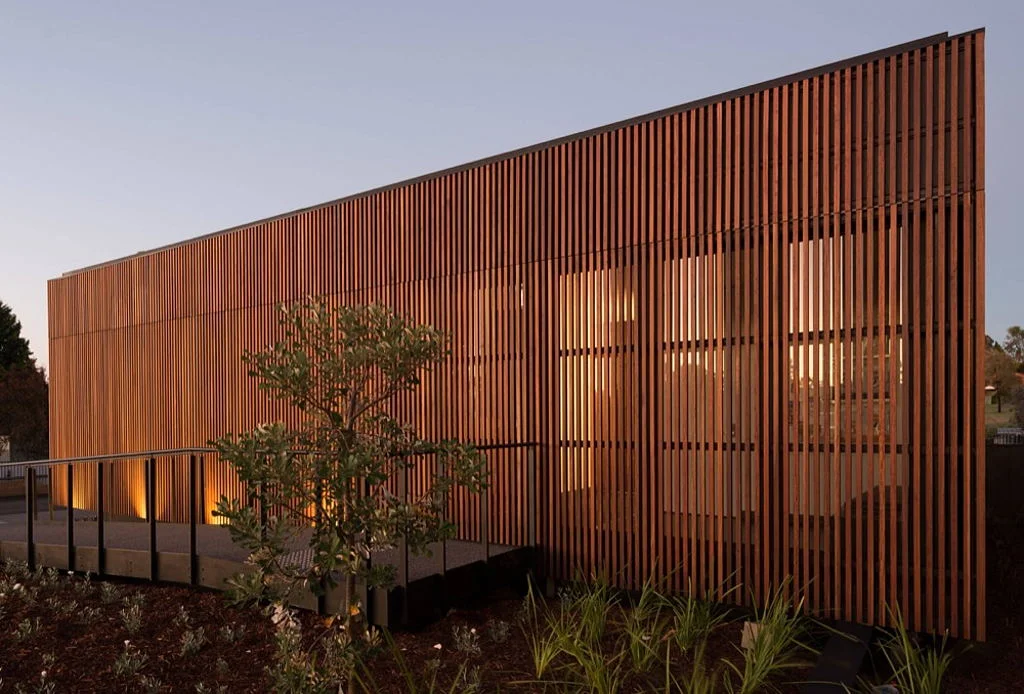
Our products fit many areas like architecture, systems to cool electronics, setups for renewable energy, frames for transport gear, and platforms for industrial automation. All of them need to meet tough standards from around the world.
Range of Services Offered by XiHui Aluminium
We provide turning, milling, threading, tapping, bending, welding, and assembly work. These are tuned for custom aluminum extrusions in frames for industry or parts that decorate.
Surface Finishing Options
Anodizing boosts resistance to rust. Powder coating brings options for looks and strength. Polishing and sandblasting smooth out the feel of the texture based on what the clients want. Every step happens in set conditions for the environment to get the best sticking power.
Customer Support & After-Sales Service
Our team of engineers responds quickly. They give quotes fast, backed by advice on better designs. Clients get steady help with tech throughout the whole process. This keeps their work on time without losing how well things perform.
Conclusion
By getting a good handle on all factors that affect how materials act—from how pure the alloy is to the die’s shape—and matching them to CNC work that’s precisely managed, we always supply aluminum extrusions without blister issues. We meet the tight size needs that industries around the world require. With steady new ideas in tech for controlling processes, plus years of skill in metal work, we change basic billets into top-quality shapes. These have perfect surfaces and reliable builds, which mark great work in today’s making.
Choosing us means teaming up with a direct manufacturer who can blend top aluminum extrusion methods with efficient automated CNC machining for results that last and help the planet across the globe. For advice on projects or to work together on tech about custom aluminum fixes for your field, feel free to reach out to us anytime on our main site.
FAQ
Q1: What is the minimum order quantity for custom aluminum CNC machining?
A1: We support flexible quantities starting from prototype runs as low as one piece, depending on complexity, before scaling up toward mass production batches exceeding several tons per model when required.
Q2: What types of surface treatments are available for machined aluminum parts?
A2: Options include anodizing (clear or colored), powder coating for enhanced durability against corrosion environments, sandblasting for matte finishes, polishing for reflective surfaces—all customizable based on end-use requirements across architectural or industrial contexts.
Q3: How can clients obtain quotations or technical support quickly?
A3: Customers may submit CAD drawings or 3D models via our online contact form; engineering specialists evaluate feasibility within 24 hours, providing detailed cost estimates alongside manufacturability recommendations aligned with project specifications.