
In today’s manufacturing world, CNC machining holds an important place in addressing the increasing need for exactness and tailored options. The merging of computer-based planning with machine-driven output enables technical experts to produce complex aluminum alloy pieces that fit specific demands. Xihui Aluminium Company provides accurately tailored CNC-machined aluminum profiles built for vital performance fields in industries. These profiles unite state-of-the-art CNC machining with tolerances of ±0.01mm, alloys of aerospace quality like 6061 and 7075, and complete services ranging from fast model creation to outer layer treatments. Such approaches make certain that original ideas become practical items strong enough to endure physical pressure, all while preserving their light build and effective operation.
The adaptation of CNC holds particular value in sectors that call for narrow margins and reliable duplication. Manufacturers rely on five-axis machining setups and self-running review tools to generate aluminum alloy elements for areas like aerospace, vehicles, and green power sources with superior accuracy. This method boosts work efficiency and cuts back on unused materials, which in turn supports green ways of making things. Because of these benefits, companies find it easier to meet goals without harming the environment.
Characteristics of Aluminum Alloys
Aluminum alloys blend aluminum together with additions like magnesium, silicon, copper, or zinc to improve their physical traits. Industrial aluminum profiles are alloy materials primarily composed of aluminum. Aluminum rods are processed through hot melting and extrusion to produce aluminum materials with various cross-sectional shapes. However, the mechanical properties and application fields of industrial aluminum profiles vary depending on the proportion of added alloys. Types like 6061 and 6063 rank among the top choices thanks to their solid mix of power relative to mass, defense against decay, and suitability for cutting. People often use these alloys in frame structures, window arrangements, pieces for furnishings, and devices to spread heat.
Workers can advance the physical qualities of aluminum alloys more by applying heat-based treatments, for instance, T5 or T6 conditioning. These steps raise firmness and resistance to pulling forces without losing bendability, which positions them well for tasks needing both stiffness and the ability to shape. As a result, the materials serve diverse purposes where balance between strength and flexibility proves essential, allowing for broader use in everyday and specialized settings alike.
Corrosion Resistance and Rust Formation
Iron-based metals differ from aluminum because they change into loose rust scales in the presence of dampness, whereas aluminum combines with air’s oxygen to create a slender but dependable oxide covering over its outer side. This guard layer blocks additional decay from going further into the metal’s inner makeup. Furthermore, the oxide covering repairs itself; should damage occur from scratches or rubbing, it rebuilds quickly upon contact with the atmosphere. This inborn ability to fight corrosion stands as a main factor behind the choice of aluminum alloys for seaside conditions, front faces of buildings, and open-air placements, where exposure to elements demands reliable protection over time.
Comparative Analysis of Aluminum Alloy and Rust Formation
In iron, rust builds up as iron particles link with oxygen and liquid to yield water-bound iron oxides in the form of Fe₂O₃·nH₂O. Aluminum, however, develops a dense Al₂O₃ covering that clings firmly to the outer area and avoids breaking loose. Surroundings like moisture levels or salt content can alter the speed of the oxidation process, yet they seldom threaten the core stability of aluminum elements. Hence, even though both substances undergo chemical oxidation, the effects vary widely—iron loses its hold gradually, but aluminum holds its form steadily because of the inactive oxide shield that acts as a barrier against ongoing harm.
Longevity and Maintenance Considerations
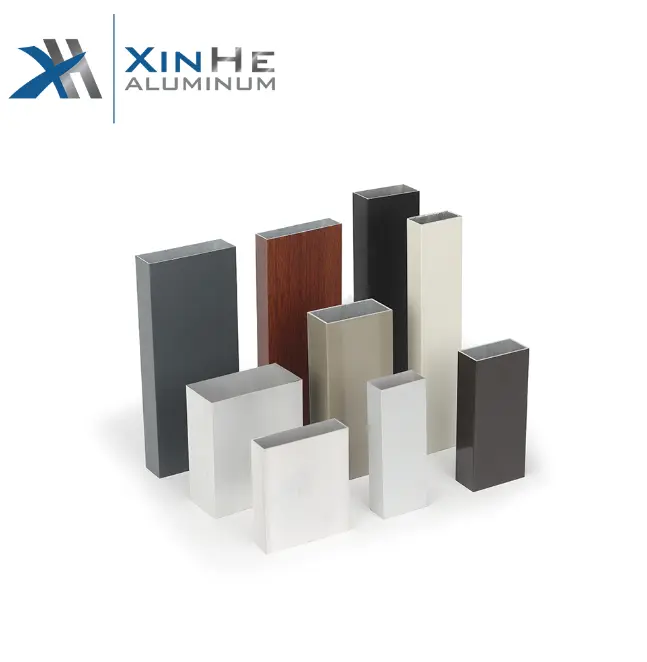
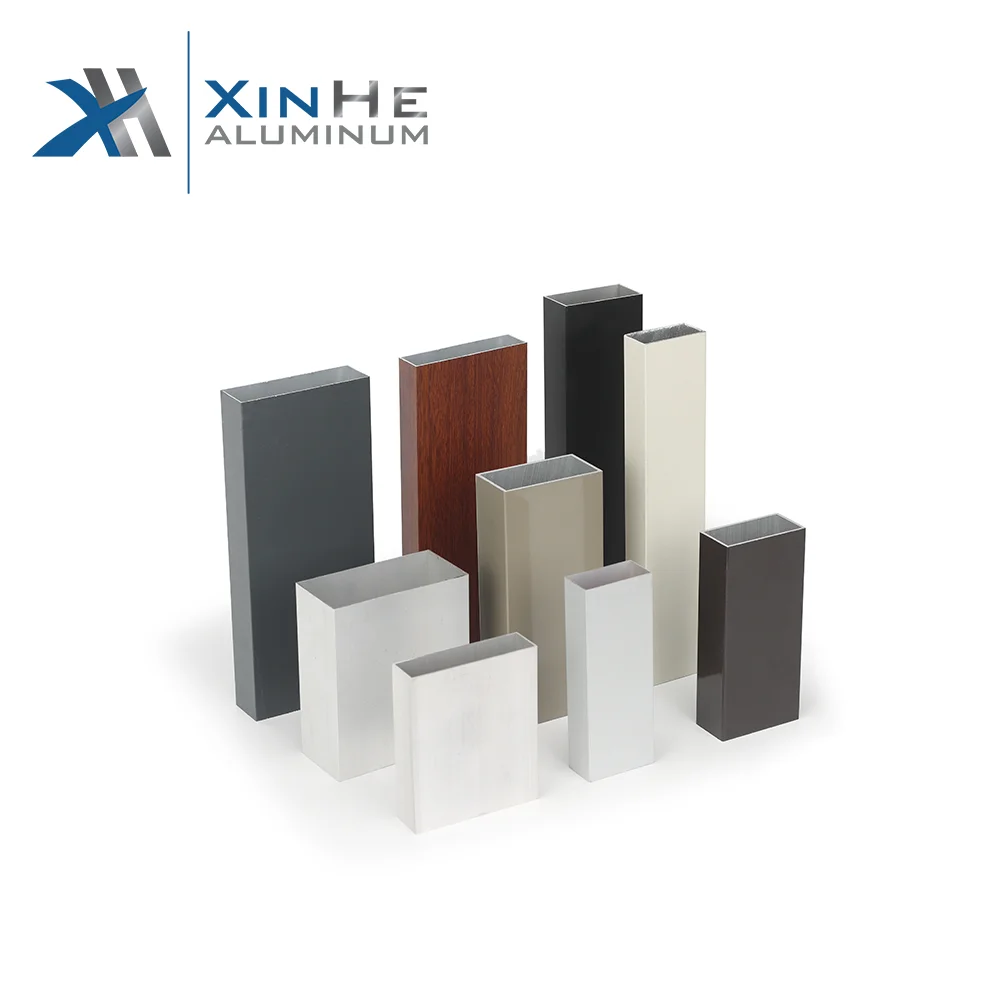
Aluminum goods demand little upkeep when set against steel frames that easily develop rust. A steady wash with soft soap mixed in water suffices to keep their outer look appealing. To gain extra shielding or an attractive style, options like anodizing or powder coating serve well, as they also heighten resistance to scraping and light from the sun. Surface treatment: Anodized, powder-coated, sand blasted, polished, or mill finish. These methods lengthen the active period of products by a large margin and trim down the expenses tied to ongoing care in work-related uses, making them practical choices for long-haul reliability.
XiHui Aluminium: A Leader in Custom Aluminum Profile Manufacturing
XiHui Aluminium distinguishes itself on the world stage as a top name in bespoke CNC machining for aluminum profiles, drawing from more than thirty years of experience since 1993. The outfit manages 15 lines for extrusion, two for anodizing, two for powder coating, and beyond forty CNC units for in-depth processing that tackle involved shapes at a tolerance of ±0.005 mm in exactness. Its yearly production volume surpasses 20,000 tons in building and factory fields.
Our factory has 33 years of experience in production and sales, possesses over 10,000 sets of molds, and offers a wide variety of design styles. We can also customize and manufacture molds for customers. The outfit’s technical group backs up customers starting from talks on plans, moving to model building, and up to full-scale output, confirming that every profile aligns with worldwide benchmarks such as ISO 9001 approval. This full support chain helps clients navigate from concept to completion with ease and confidence.
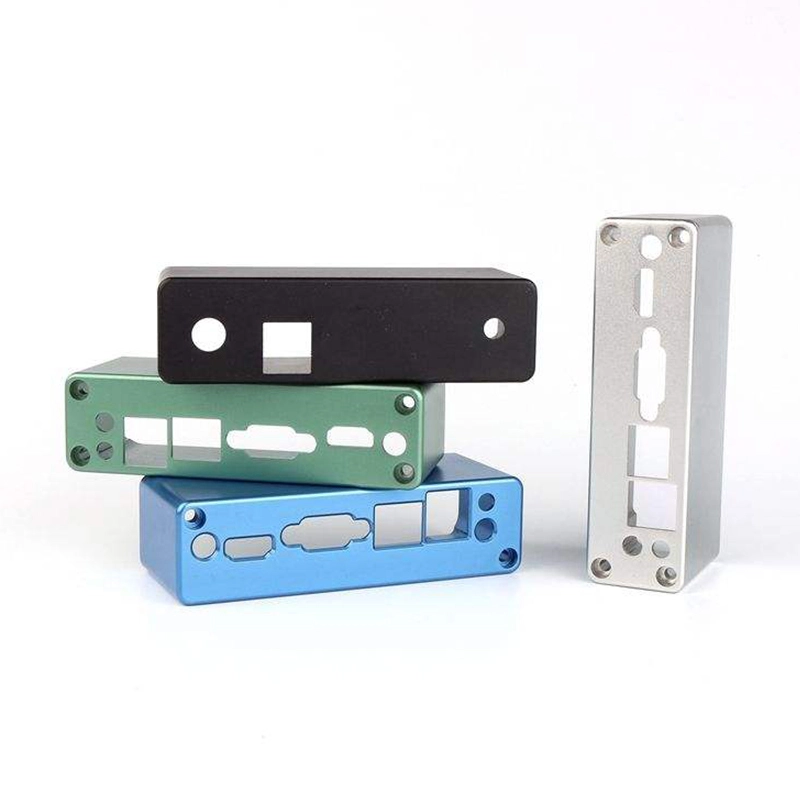
A highlighted offering comes in the form of the Metal Casting & CNC Machining Anodized Industrial Extrusion Aluminum Profile, which merges sharp cutting techniques with materials of aerospace standard for setups in automation gear or groups in renewable energy sources. Such a product exemplifies the firm’s skill in delivering solutions that fit high-stakes needs across various applications.
Quality Assurance and Industry Experience
Checks for quality weave into all phases—from choosing starting materials with top-rated 6000 series blocks to end reviews via coordinate measuring machines (CMM). Our ISO 9001-verified steps make sure of sturdy, easy-to-carry parts featuring strong defense against decay and fine heat passage. Shipments extend to more than 120 countries globally, and the outfit’s standing grows from steady delivery in key work efforts, spanning from heat spreaders for LED to frames in architecture. This track record underscores a commitment to excellence that clients count on for their critical endeavors.
Applications of Custom Aluminum CNC Machining
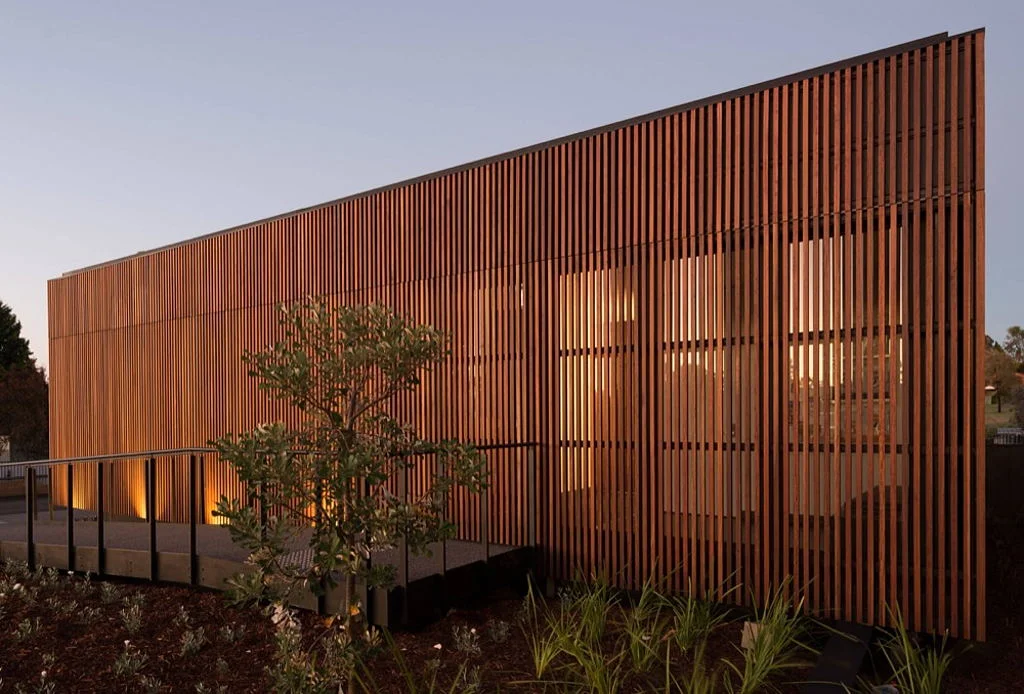
The adaptable nature of aluminum renders it vital in a wide array of areas. Aerospace: Parts that weigh little yet hold firm in structure lessen the use of fuel. Automotive: Housings for engines cut with precision better handle heat flow. Electronics: Sinks for heat release power from strong devices in an effective manner. Construction: Frames for windows and walls of curtains bring lasting quality, free from rust. Application scenarios include tables, cabinets, cabinet supports, conveyor belts, test machine supports, protective covers for automated equipment, and aluminum alloy screen partitions.
One more forward-thinking choice appears as the Custom Industrial 5-Axis CNC Milling Turning Aluminum Parts Profile, crafted for devices in health care and vehicle setups that require pinpoint accuracy at small scales. These instances illustrate how tailored aluminum work supports progress in fields where detail and strength intersect.
Surface Treatment Options for Enhanced Performance
Work on the outer layer goes beyond just bettering the sight; it also fortifies the stand against decay. Anodizing builds a thick oxide covering that lifts firmness. Powder Coating supplies colors that one can adjust with hold against UV. Sandblasting delivers a flat touch fitting for looks in buildings. Electrophoresis guarantees even depth in coating, perfect for style ends.
These processes match global rules for the environment, including RoHS/REACH nods, and they secure lasting toughness under tough work setups. By integrating such finishes, manufacturers ensure that products not only meet aesthetic goals but also perform reliably in challenging scenarios over prolonged periods.
Conclusion: Advantages of Choosing XiHui Aluminium
Teaming up with this producer grants entry to united services—from planning for extrusion through work with CNC—to wrapping up under a single cover. Their core advantages rest in research and development fueled by new ideas, systems for strict quality oversight, quick rounds for delivery (inside 7–15 days), and bendable fixes for OEM/ODM aimed at buyers around the world who want value-driven yet top-quality aluminum profiles. This setup allows for seamless progression from idea to ready product, minimizing delays and maximizing satisfaction.
The outfit’s focus on pushing tech forward promises prices that compete well without sacrificing standards, thus giving power to sectors everywhere with trustworthy supplies crafted for enduring service. In the end, selecting such a partner means gaining an edge through proven methods and dedicated support that align with long-term business aims. Feel free to contact XiHui Aluminium!
FAQ
Q1: Does aluminum alloy ever rust?
A1: No. Aluminum alloy does not rust like iron; instead, it forms a stable oxide layer that protects against further oxidation even in humid environments.
Q2: How can I maintain my aluminum alloy products?
A2: Routine cleaning using mild detergent solutions preserves surface integrity; avoid acidic agents that might damage protective coatings such as anodized layers.
Q3: What industries benefit most from custom aluminum profiles?
A3: Aerospace, automotive manufacturing, electronics cooling systems, construction facades, and furniture assembly all rely heavily on custom CNC-machined aluminum profiles due to their lightweight strength and anti-corrosive properties.