
Brittleness in metallic materials shows a material’s inclination to break with little plastic deformation, so it snaps instead of bending under pressure. This trait stands in contrast to ductility, which lets a metal stretch before it fails. When it comes to aluminum alloys for CNC machining, brittleness shapes how a part handles cutting forces or loads in use. For building and machining tasks, foreseeing brittle actions is vital to avoid sudden breakdowns.
Aluminum alloys display mechanical traits that differ a lot based on their makeup, heat processing, and inner structure. Though most aluminum alloys stay fairly ductile overall, some handling methods can boost brittleness. The inner grain setup, spread of precipitates, and phase makeup all have key parts in shaping break patterns. For instance, smaller grains boost durability, while large intermetallic compounds can start cracks.
Why Do Some Aluminum Alloys Become Brittle?
Before cutting or shaping, designers need to check the metal factors that lead to weakening. These cover alloy makeup, heat history, and impurity amounts, which all influence ease of machining and output.
How Alloy Composition and Microstructure Affect Brittleness in Aluminum
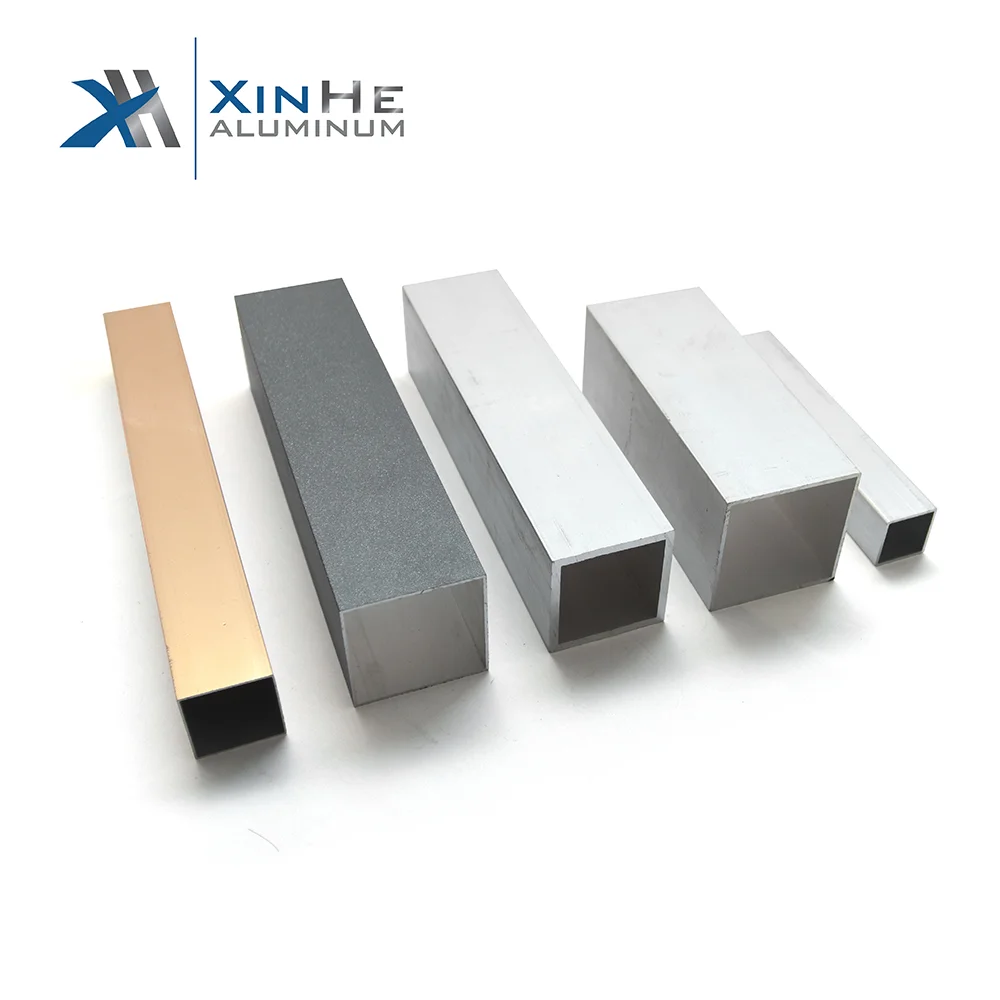
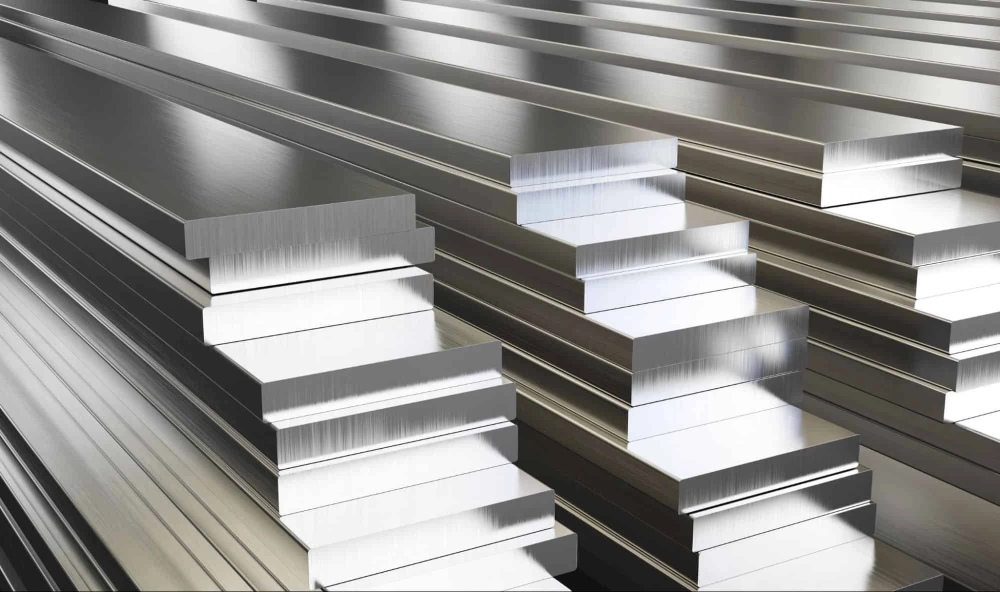
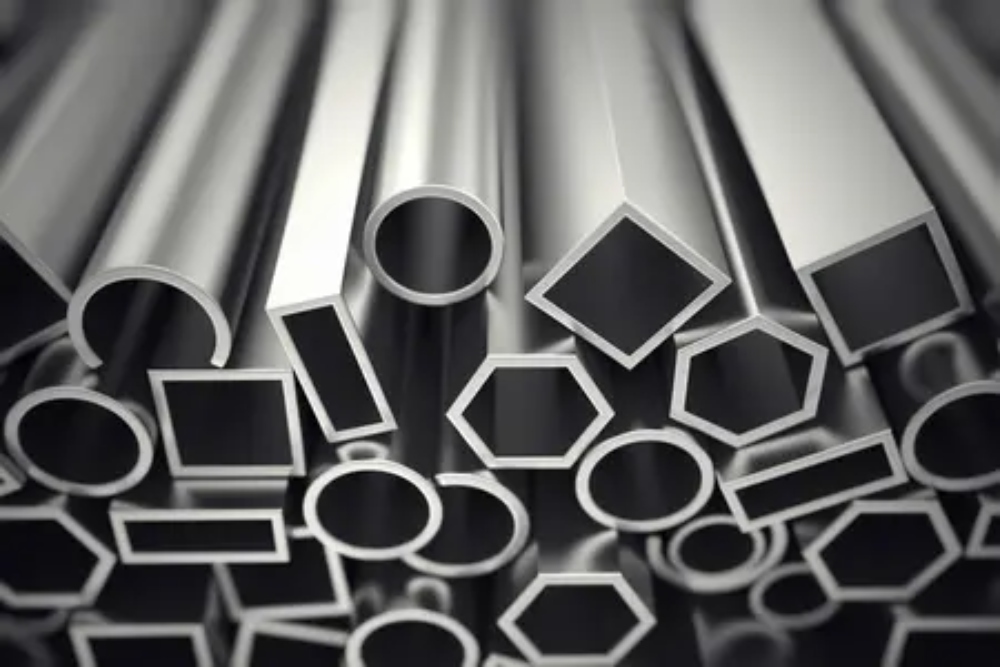
Elements like silicon, copper, and zinc get added to raise strength or firmness, yet they might also cut down flexibility. Alloys with lots of silicon from casting often turn more brittle since they hold tough intermetallic phases that spark cracks. Grades that respond to heat, such as 7075, can face weakening too if aged too much or cooled incorrectly after solution steps. Aluminum industrial profiles, industrial aluminum extrusions, and industrial aluminum alloy profiles are alloy materials with aluminum as the main component. Aluminum rods are melted and extruded to obtain aluminum materials with different cross-sectional shapes. However, the mechanical properties and application fields of the industrial aluminum profiles produced are different depending on the proportion of alloys added.
How Heat Treatment and Aging Influence Brittleness
Heat treatment changes the mix of firmness and flexibility by managing how precipitates form in the aluminum base. In man-made aging, helpful precipitates build up, but if aging goes on too long (over-aging), those bits grow big and lose their fit with the base. As a result, toughness drops and brittleness rises. Wrong cooling can leave leftover stresses that heighten crack chances in fast CNC work.
How Impurities and Inclusions Cause Brittle Failures
Stuff like oxides or carbides that aren’t metal acts as stress spots in an aluminum alloy’s inner setup. Holes from hydrogen also lower durability by making gaps that join under the weight to cause snap breaks. Keeping the melt pure in casting matters a lot for steady strength and ease of cutting.
How Does Brittleness Impact CNC Machining of Aluminum Alloys?
In CNC steps like milling or turning, aluminum’s reaction to cutting pressures relies heavily on its brittleness degree. Stresses from machining can bring edge breaks or tiny cracks if handled poorly.
What Happens When Machining Stresses Induce Microcracking?
Fast cutting speeds make local heat shifts that lead to leftover stresses near the outer layer. While keen tools cut down forces, they might raise the chances of edge breaks in brittle alloys. Good use of coolant cuts heat rise and aids in stopping tiny outer cracks that harm long-term endurance.
To tackle these issues well, we blend modern machining options such as wholesale customized metal parts, aluminum turning, cutting, and milling parts. These exactly made parts come with a ±0.01 mm tolerance from air-grade 6061 and 7075 alloys, which are known for strong durability when handled right.
Which Tool Materials and Cutting Parameters Are Best for Brittle Aluminum?
Carbide tools offer great wear hold but need tuned edge shapes when dealing with brittle stuff to avoid too much stress at the tool-part spot. Tools coated in diamond give a top surface look while cutting down edge buildup, a usual reason for surface pulls in brittle alloys.
Cutting settings must get balanced with care: slower feed rates lessen load on the part’s exterior, fair spindle speeds avoid heat jumps, and systems that adjust keep steady chip shapes over changing sections.
How Can Ductility Be Enhanced During CNC Applications?
Cutting brittleness usually means changing heat past or using outer fixes aimed at boosting durability without losing tight limits needed in CNC making.
What Thermal Treatments Improve Toughness in Aluminum Alloys?
Steady annealing eases inner stresses built in casting or shaping steps. After-machining stress fixes also cut twisting while raising endurance life, key for thin-wall extrusions in gear frames or air parts. For example, our OEM CNC Metal Machining Custom Aluminum Turning Parts service uses exact heat rounds with ISO 9001-checked quality watches to make sure each cut part keeps build strength even under repeated loads.
Which Surface Modification Techniques Reduce Crack Propagation?
Shot peening and laser peening add good compressive stresses that fight pull crack spread common in brittle stuff. Anodizing brings rust guard while keeping flexibility when spread evenly, a big point for outside building shapes or seagoing parts where looks and lasting power count. Our OEM CNC Milling Turning Aluminum Spare Parts mix anodized covers with exact-cut shapes to match build toughness with look quality sought in fields like electronics shells or car trim making.
What Alloy Selection Strategies Balance Strength and Machinability?
Picking alloys like 6061 or 7075 gives a fine trade-off between strength, flexibility, and ease of cutting, thanks to their good hardening traits from precipitates. Skipping high-silicon cast types cuts crack risk in close milling where size truth is key.
How Is Brittleness Evaluated Through Testing Methods?
Solid testing makes sure each lot of aluminum alloy fits output hopes before going into lines for extrusion or CNC cutting.
Which Mechanical Tests Quantify Brittleness Accurately?
Pull testing checks stretch before break, a straight sign of flexibility level, while Charpy impact testing checks energy taken under quick loads. Both give key info to see if an alloy will act steadily in fast cutting or under use stress, such as in building frames.
What Microstructural Examination Techniques Reveal Fracture Behavior?
Optical microscopy and scanning electron microscopy (SEM) show grain edge shapes plus crack start spots in the alloy base. Break study spots’ traits that split snap cleavage from stretch-dimpled, broken faces, leading manufacturers to fix heat plans when needed. Our Customized Milling Machining Metal Parts weaves these check views into each make step, from sample check to full make, to promise steadfastness in all sent parts.
Introduce XiHui Aluminium
At this point of new-driven making skill, we see ourselves not just as a seller but as a build partner set to push material knowledge uses in world markets. XiHui Aluminium Co., Ltd. specializes in aluminum extrusion profiles and is good at manufacturing ultra-thin materials. Our facility operates 15 extrusion lines, two anodizing lines, two powder coating lines, and over 40 advanced CNC deep-processing units capable of producing up to 20,000 tons annually across window systems, cabinet profiles, industrial frameworks, and custom machined components.
We have an excellent R&D team that has designed a number of patented products and is a leader in technology and innovation. Our one-stop OEM & ODM services, from design consultation through packaging, ensure clients receive fully optimized aluminum alloy solutions tailored for performance-critical sectors such as automation equipment manufacturing or renewable energy infrastructure development.
For project-specific consultation on aluminum alloy selection or customized machining parameters suited for your application requirements, please contact us; our technical team will provide expert guidance based on decades of industry experience.
FAQ
Q1: Which aluminum alloys are most prone to brittleness?
A1: High-silicon cast alloys exhibit greater brittleness due to hard intermetallic compounds; improperly heat-treated 7000-series alloys may also show reduced toughness compared with wrought grades like 6061-T6.
Q2: Can post-machining heat treatment reverse embrittlement?
A2: Yes, controlled annealing followed by appropriate aging cycles can restore ductility by refining precipitate distribution within the matrix while relieving residual stresses introduced during machining.
Q3: Why choose professional CNC services instead of general machine shops?
A3: Specialized facilities equipped with multi-axis systems maintain ±0.01 mm precision using aerospace-grade materials under ISO-certified processes, ensuring consistent quality across complex geometries where standard workshops might compromise accuracy or surface integrity.