
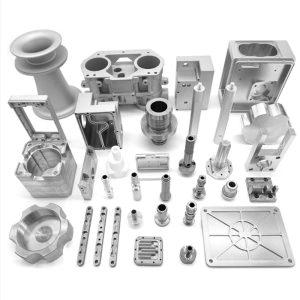
The worldwide manufacturing scene is shifting towards lighter, accurately crafted materials, and aluminum alloys serve as a key element in this change. The rising need for tailored CNC machining comes from sectors that need parts able to keep solid strength even as they cut down on mass. Fields like aerospace, automotive, and electronics depend more and more on developed aluminum alloy pieces because of their excellent workability and ability to resist rust.
At XiHui Aluminium, we focus on custom CNC machining services that blend technical accuracy with fresh material ideas. We supply exactly fitted CNC-machined aluminum profiles made for key performance areas in industry, mixing cutting-edge CNC machining (±0.01 mm tolerances), high-quality alloys for aerospace (6061, 7075), and full-range services—from quick prototyping to surface treatments. Our processes, certified under ISO 9001, make sure every part hits the top standards in the field for lasting quality, resistance to rust, and heat handling. With more than 30 years in the business and output over 20,000 tons each year, we offer OEM and ODM options that give customers options, speed, and trust.
Market Demand for Custom CNC Machining
The call for precision-engineered aluminum components keeps growing as manufacturers look for stuff that matches solid mechanics with a light build. Aluminum’s flexibility fits it well for tricky shapes done via CNC machining. In aerospace uses, cutting weight leads straight to better fuel use; in car making, it boosts speed and control; and in electronics, it aids good heat release and tight design fitting.
Comparing the Strength of Aluminum Alloy and Steel
People often ask, “Is aluminum alloy as strong as steel?” Steel has long led in pull strength, but current aluminum alloys—mainly types like 6061-T6 or 7075-T6—give strong mechanical results compared to their mass.
Mechanical Properties of Aluminum Alloys
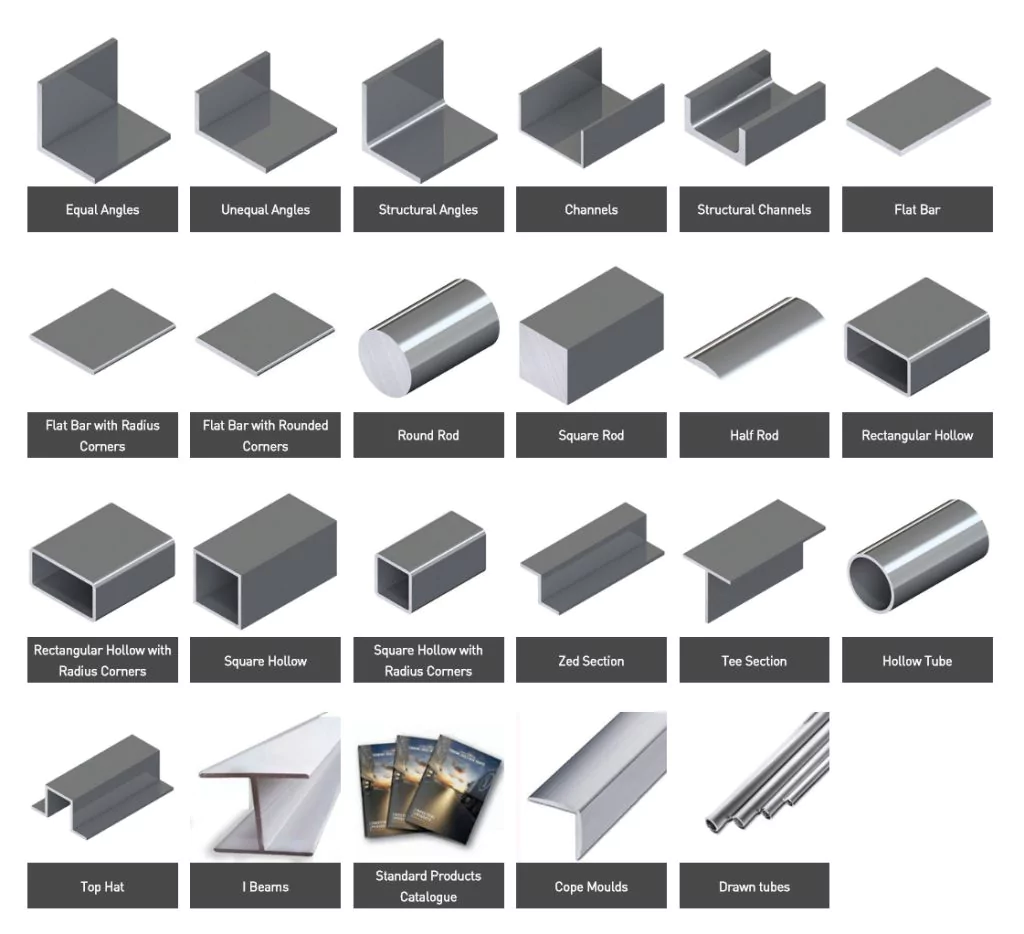
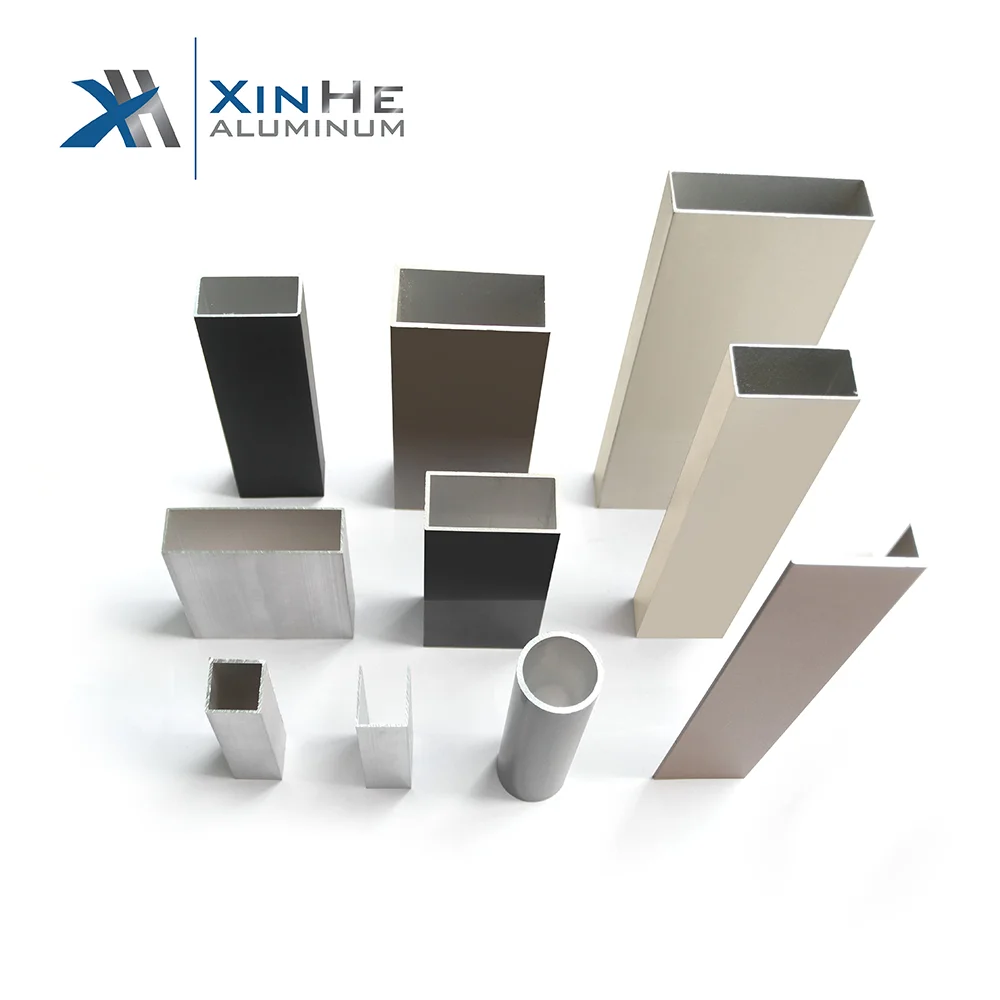
Aluminum alloys show a special mix of pull strength, yield strength, bendability, and rust resistance. Aluminum Industrial Profile: Industrial aluminum extrusions and industrial aluminum alloy profiles are alloy materials with aluminum as the main component. Aluminum rods are melted and extruded to obtain aluminum materials with different cross-sectional shapes. However, the mechanical properties and application areas of the produced industrial aluminum profiles vary depending on the proportion of alloys added. This setup lets engineers adjust the material’s traits for certain jobs by changing added elements such as magnesium or silicon. Take 7075 aluminum, for example; it gives pull strengths near those of soft steel but holds just a third of its weight density.
Mechanical Properties of Steel
Steel stays tougher overall but carries much more density. That extra mass cuts its usefulness in areas focused on movement, where each bit of weight counts. In terms of the weight-to-strength ratio, aluminum alloys usually do better than steel when holding loads have to pair with a light setup.
Applications Where Aluminum Alloys Excel Over Steel
As we look at how things work in actual settings, aluminum’s benefits stand out—mainly in areas sensitive to weight. In aerospace work, saving each kilogram helps lower fuel use and stretch travel distance. Car manufacturers gain the same way from slimmer frames that improve speed, make moves, and reduce pollution. Plus, electronic setups use aluminum’s heat flow to handle warmth well without extra bulk.
The Role of CNC Technology in Aluminum Alloy Customization
CNC tech allows exact forming of aluminum alloys into detailed shapes that old methods can’t reach, and it keeps size true to tiny measures while holding the material’s wholeness.
Advanced CNC Equipment and Techniques at XiHui Aluminium
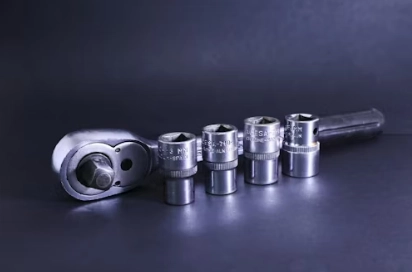
Our making sites hold more than 40 units of in-depth processing tools able to handle turning, milling, drilling, engraving, and laser cutting tasks. Equipment automation level exceeds 80%; raw materials consist of Grade A aluminum alloy from the 6000 series, with aluminum content exceeding 98%. Such automation level promises steady quality in large production lots, and it fits custom needs smoothly.
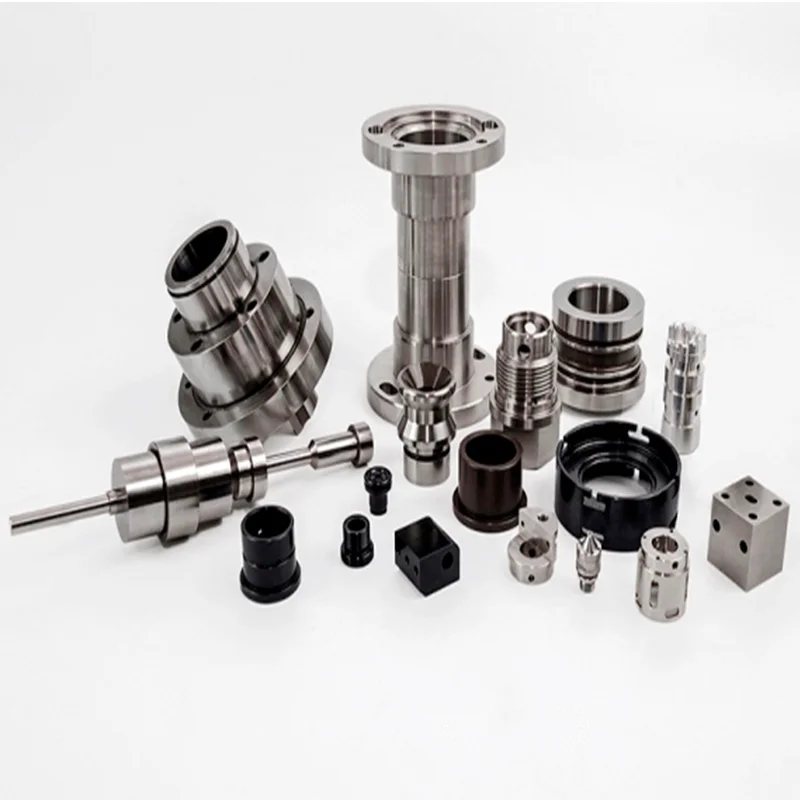
For example, our Customized Aluminum Turning Parts shows how we hit ±0.01 mm tolerances with top aerospace stuff like 6061 or 7075 alloys—perfect for auto systems or green energy parts that need exactness and staying power.
Innovative Customization Services Offered by XiHui Aluminium
We turn customer plans into working models via team-based technical help, and from fast model building to full setup joining, our fitting services keep things doable without hurting new ideas or cost savings. Every job gets special tech advice to better design for longevity and long-term work.
Quality Control and Industry Experience at XiHui Aluminium
Exact makes calls for firm quality checks backed by years of know-how. Thorough quality checks that secure high success rates. We carry out several-step reviews—from checking starting materials to last-size checks—to keep steady results. Using 6000 series A-grade aluminum materials gives us pure levels vital for building strength under work pressure. Having spent over three decades on pressing and cutting tech, we hold the skills needed to create tricky shapes in various fields like electronic covers, health tools, factory auto frames, and building parts.
Surface Finishing Options for CNC-Machined Aluminum Parts
Surface work boosts looks and stretches item life by raising the wear block and rust guard. We provide anodizing to better fight oxidation, powder coating for a wide range of styles, sandblasting for an even feel, polishing for shiny ends, and electrophoresis layers for top lastingness when needed. Surface treatment: anodized, powder-coated, sandblasted, polished, mill-finished, etc. Each way fits based on use spots—from outside building setups to exact machine boxes—making sure work and looks go together well.
Successful Client Collaborations and Case Studies
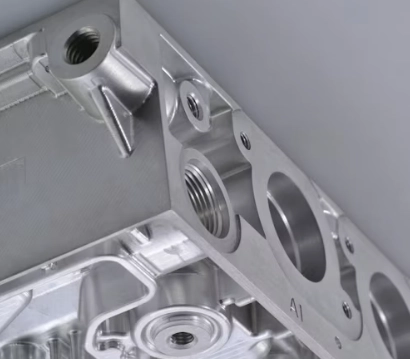
Our team-ups stress lasting value built through tech working instead of simple supply lines. Customers keep noting joy from how we change idea sketches into real outcomes with clear gains in item work and, over time, cost drops.
Customer Support and After-Sales Services by XiHui Aluminium
Our pledge goes beyond sending; we give steady tech aid throughout the item’s life. We give quick price quotes in hours from customer sketches (PDF/DWG/STEP types) plus better design notes before tools start. Sample sending finishes in days due to our linked model lines. Post-sale aid includes quality follow-up reports to make sure all rules are met in making runs.
Why Choose XiHui Aluminium for Your CNC Machining Needs?
Picking us lets you reach a teammate with a strong tech setup plus a people-focused service view—able to shift your idea sights into exact made facts. Our strong point rests in modern auto setups hitting ±0.002 mm true levels; bendy fitting services from small model runs to big ones; tight QC steps matched to ISO rules; wide field know-how; fast wait times; and clear talk in every job step—all set to aid customers in cutting buying hassle while boosting work speed. Feel free to contact us!
Conclusion: The Strategic Choice for Aluminum Alloy Solutions
Working with us helps firms tap the whole power of today’s aluminum alloy machining technologies, getting lighter but tougher items tuned for current green-focused markets. We welcome teammates wanting change—from rough drawings to done setups—to see how our custom fixes can lift their job’s work measures before reaching our group right via our main site.
FAQ
Q1: What is the Minimum Order Quantity for Custom Aluminum Alloy CNC Machining?
A1: The order quantity of the company is reported as 500KGS. However, we accommodate multi-model orders exceeding one ton in total weight, where individual designs may start at just 500 kg per model.
Q2: What Surface Treatment Options are Available for CNC-Machined Aluminum Alloys?
A2: Options include anodizing, powder coating, and sandblasting, among others—all designed to enhance surface durability against environmental exposure while improving visual aesthetics simultaneously.
Q3: How Does Schema Markup Enhance Rich Media Display Opportunities?
A3: Implementing schema markup helps search engines interpret structured content more effectively, which increases visibility potential via rich media snippets on search results pages—ultimately driving higher engagement from technically informed audiences seeking specialized manufacturing services online.