
In the present quickly changing field of manufacturing, the call for materials that weigh little, stand up to corrosion well, and possess great strength keeps growing. Custom CNC aluminum machining stands out as a key method in fields including aerospace, automotive, electronics, and medical equipment. This approach supplies accuracy, the chance to repeat tasks, and the ability to expand— all vital for creating pieces that fit strict limits and stay practical in terms of money. Aluminum alloys gain attention for their good balance of strength against weight and simple handling in machining, so they get picked more for parts that support structure and serve purposes.
Because businesses focus on fast creation of models and small runs of tailored items, CNC machining takes on greater importance. It handles shapes that are tough to form, and it also covers working prototypes. Parts made from aluminum alloys through CNC meet what engineers want as well as what companies aim for in their goals.
Is Aluminum Alloy More Expensive Than Other Engineering Materials?
Aluminum alloy usually costs more than carbon steel, but it proves much less expensive than titanium. The setup of costs relies on the exact series of alloy—6061 and 6063 tend to be cheaper in general, whereas 7075 requires a higher price because of its better strength. Shifts in prices come from worldwide patterns of demand and the costs for energy linked to melting and pressing through extrusion. Plastics might seem cheap when figured by the kilogram, but their weaknesses in mechanics often exclude them from tasks that bear weight or demand high precision.
What Advantages Does Aluminum Offer in Processing Efficiency?
Aluminum alloys show strong suitability for machining when placed next to stainless steel or titanium. They cause less damage to tools, let in quicker rates for moving material forward, and shorten the full time for cycles— all of which lead to reduced costs in making things. Owing to its flexibility and skill at passing heat, aluminum is best for CNC tasks that include detailed parts or walls that are narrow. For that matter, it works perfectly in places run by machines at fast speeds.
How Does Lifecycle Cost Offset Initial Material Pricing?
Aluminum might start with a higher cost for the material up front than options such as plastics or basic steel, yet its cost throughout the whole life usually turns out smaller. They can credit this to its light mass— which brings down expenses for shipping and daily use— its fine resistance to corrosion that needs only little care, and the option to recycle it fully. Such aspects render aluminum alloys a choice that holds up well in monetary terms for situations that go on for a long period.
Why Are Aluminum Alloys So Widely Used in High-Performance Industries?
The aerospace field puts strength against weight at the top of its list. Alloys including 7075 and 6061 see much use because of their top-notch results in mechanical ways. CNC machining guarantees close control over sizes, which matters a lot for parts tied to safety, such as brackets, arms that control, or covers for housing. These alloys hold their firm shape amid harsh settings and at the same time cut down on fuel use thanks to their lesser weight.
Why Is the Automotive Sector Moving Toward Aluminum?
Electric vehicles, or EVs, gain a lot from the traits of aluminum that cut down on weight. Putting aluminum into parts of the chassis and covers for the power train does more than improve how things run; it also makes the distance one can drive go further. Car companies now lean toward parts from aluminum shaped by CNC to hit marks for efficiency, all while keeping the solid nature of the build intact.
Why Is Aluminum Preferred in Electronics and Medical Devices?
For uses in electronics and medicine, materials need to give a good flow of heat and match the rules for clean areas. The power of aluminum to spread heat out positions it well for sinks that cool LEDs, covers, and boxes. Besides, ways to treat the surface, like anodizing, bring finishes that stay free of dirt and hold up against rubbing.
Do Surface Treatments Significantly Impact Performance and Cost?
- Anodizing boosts resistance to corrosion as it gives protection from electricity.
- Powder Coating betters hold against wear and permits colors for looks.
- Sandblasting gets surfaces ready for coatings or gives them an even feel.
- Polishing comes into play where looks matter most, above all, in items for everyday buyers.
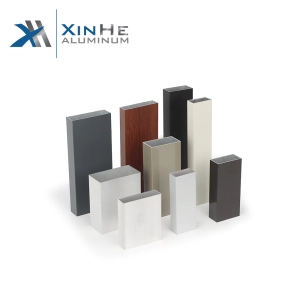
- Anodized silver and powder-coated black rank among the finishes that move quickly off shelves, serving both use and style.
Do Surface Treatments Raise Overall Manufacturing Costs?
Surface treatments add to the cost per piece with extra steps in handling. Still, they lengthen the time a part lasts by building up toughness and defense against the surroundings. One should pick the surface treatment based on how the part will be used in the end.

What Capabilities Define a Leading CNC Aluminum Profile Manufacturer?
A manufacturer at a high level brings in over 40 machines for CNC that rank as modern— covering systems with 5 axes— to cover varied needs in shaping. Since the level of automation goes past 80 percent, the evenness in making stays firm even as things grow bigger This way, it secures lots of output without losing any sharpness in details.
Can Customer Designs Be Realized Accurately Through CNC Technology?
Yes, without doubt. Places with top setups let manufacturers turn drawings from customers into parts that are hard to shape, holding to an accuracy of ±0.01mm in tolerances. Be it a single model or a small batch of making, setups for CNC that bend to needs handle different asks.
What Measures Ensure Quality Assurance Throughout Production?
A team for quality control inside the house checks every piece with devices such as Coordinate Measuring Machines (CMMs) and tools set to measure correctly. This strict way of checking leads to high passes in fields like aerospace and cars.
How Broad Is the Service Scope for CNC-Machined Aluminum Profiles?
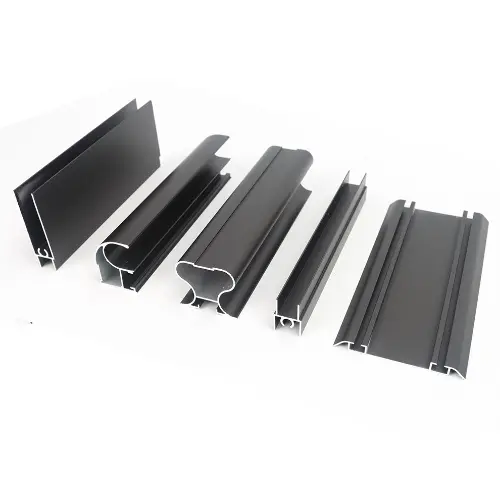
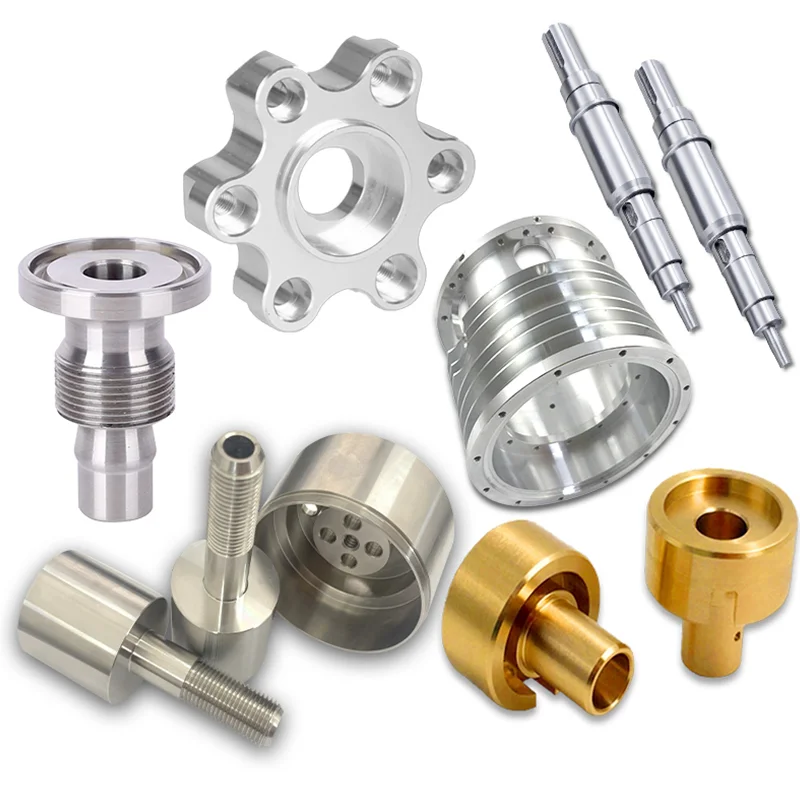
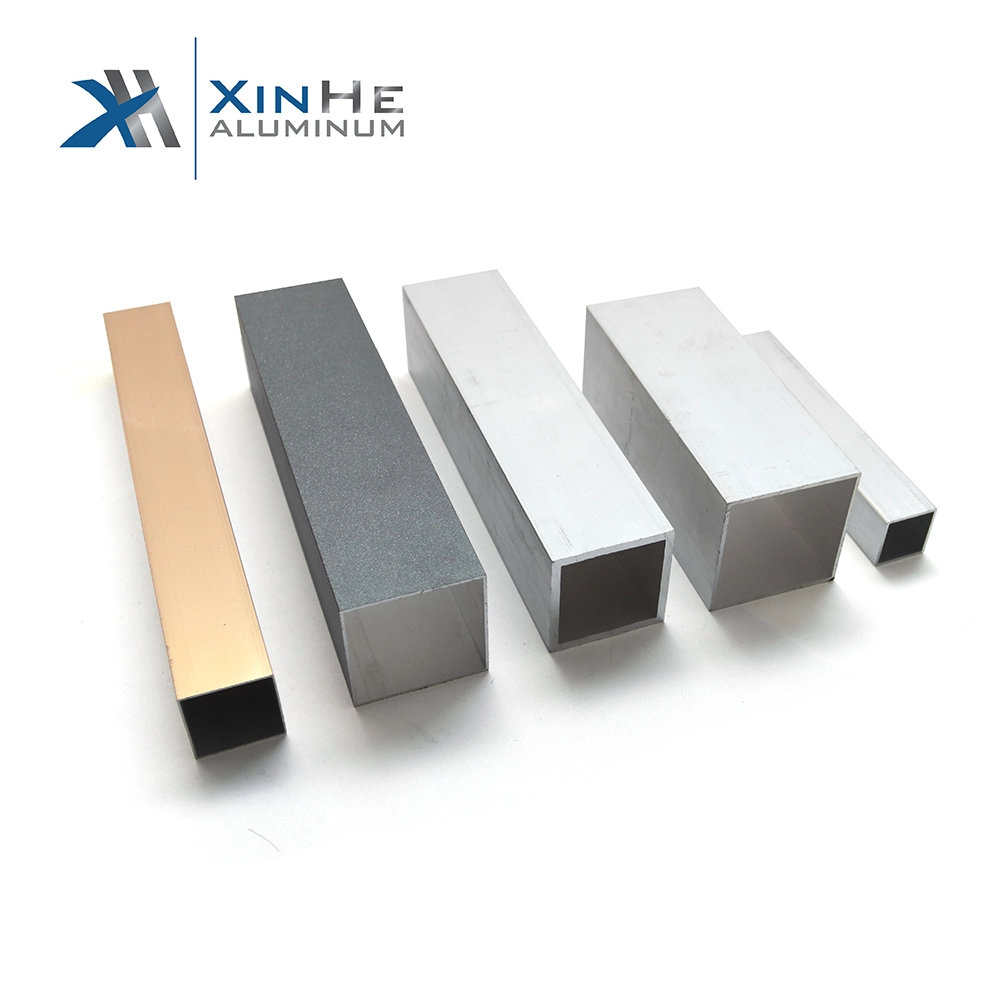
Services for CNC come in a full set, covering milling, drilling, tapping, engraving, punching, laser cutting, and turning. These steps blend into a smooth flow of work to give full answers for making from start to finish. For instance, this Metal Casting & Anodized Industrial CNC Extrusion Aluminum Profile shows how steps in stages can lead to parts that perform well and stand ready for putting together at the last.
Which Surface Treatments Are Offered In-House?
Manufacturers often supply anodizing (standard & hard), powder coating, sandblasting, and polishing— all done in the same building to save time and keep watch on quality.
Who Benefits Most from Customized Aluminum Profiles?
Engineers in aerospace who plan brackets, up to manufacturers of original equipment who seek frames for structure or boxes for electronics, find aluminum profiles useful across many areas, from devices for health to setups for industry that run on their own.
How Is Customer Support Structured Across the Lifecycle?
Buyers get help before sales via systems that quote fast and add checks on design for ease in making (DFM). After sales, they have covers for warranty and aid in tech for problems that come up in fitting or running.
What Cost Optimization Strategies Exist When Using Aluminum Alloys?
Picking from 6061 (balanced), 7075 (high strength), or 6063 (aesthetic finishes) hinges on what performance calls for. Take 6061, for example; it sees use where strength and guard against corrosion both matter, all without driving costs too high.
How Can Design Be Optimized to Reduce CNC Machining Time?
By cutting out undercuts that serve no purpose or holes that go deep, one can lessen how complicated a part is— this drops the time machines run without hurting what it does. Designs made simpler cut time for setup and costs for tools.
What Role Do Batch Sizes Play in Reducing Per-Unit Costs?
Runs in low to medium amounts, gains from savings that come with scale when handled on lines for CNC that work by themselves. Batching done well cuts waste in materials and time when machines sit unused.
What Factors Drive the Price of CNC-Machined Aluminum Components?
Prices for raw aluminum shift with how much comes from mining bauxite and the costs for power that affect melting. Such big factors in the economy shape the prices of price for materials in different types of alloys.
Why Does Part Geometry Affect Cost?
Shapes that are more involved call for extra time in planning code, tools made special, or machines with many axes, which push up costs in making. Holes deep or walls thin might need rates for feed that are slower or holds made to fit just right.
How Critical Are Tolerances in Determining Price?
Limits that are tighter demand speeds in machining that slow down and maybe extra steps like grinding or shining— adding to the cost per piece because of more work by hand and time on gear.
Manufacturer Overview: A Reliable Partner in Custom CNC Aluminum Profiles
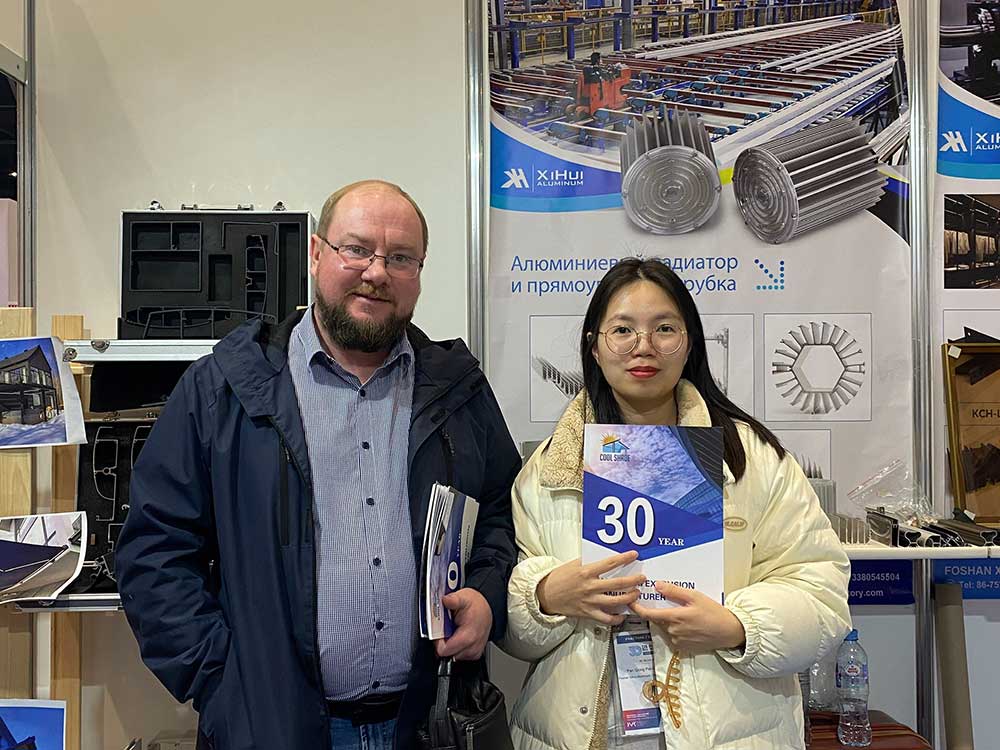
Over more than 30 years, Xihui Aluminium has shaped profiles of aluminum made to order, using advanced skills in CNC that stand out. Based in Foshan City and running over 40 lines for deep work— taking in machining with 5 axes— the firm changes drawings from clients into parts of exact make for areas in aerospace, care for health, cars, and tools for electric work. Backed by a strong setup for quality check inside, a big store of molds past 10,000 kinds, and a path for quick models (down to 7 days), they offer answers that grow to fit from idea to hand-off at the end— helped by teams in engineering that reply well. Feel free to contact Xihui Aluminium!
Conclusion
Aluminum alloy could bring a higher cost at the start for material than steel or items from polymers, but looked at in full— covering how easy it is to machine, savings over life from less weight, and stand against corrosion, on top of recycling fully— it turns into a pick that saves money for lots of tasks in engineering. In particular, when joined with tech for CNC machining that goes advanced and hits limits tight in good ways, aluminum alloy shows its true value not only in how it works but in the full worth one owns. Manufacturers who tie services from top to bottom— starting from help in design to finish on surface— make times to lead and setups for cost work better than flows that stick to old ways.
FAQ
Q1: What is the minimum order quantity (MOQ) for custom aluminum alloy CNC machining?
A1:The MOQ typically starts at just one prototype unit but may vary depending on part complexity and required surface treatment.
Q2: What surface treatment options are available for CNC-machined aluminum alloys?
A2: Common finishes include anodizing (standard & hard), powder coating, sandblasting, and polishing—each tailored to specific functional or aesthetic requirements.
Q3: How can I get a quote quickly?
A3: You can submit your drawings (PDF/STEP/DWG/DXF) along with quantity needs via the website’s contact form or email; the engineering team will respond within 24 hours with a detailed quotation, including DFM advice if needed.