
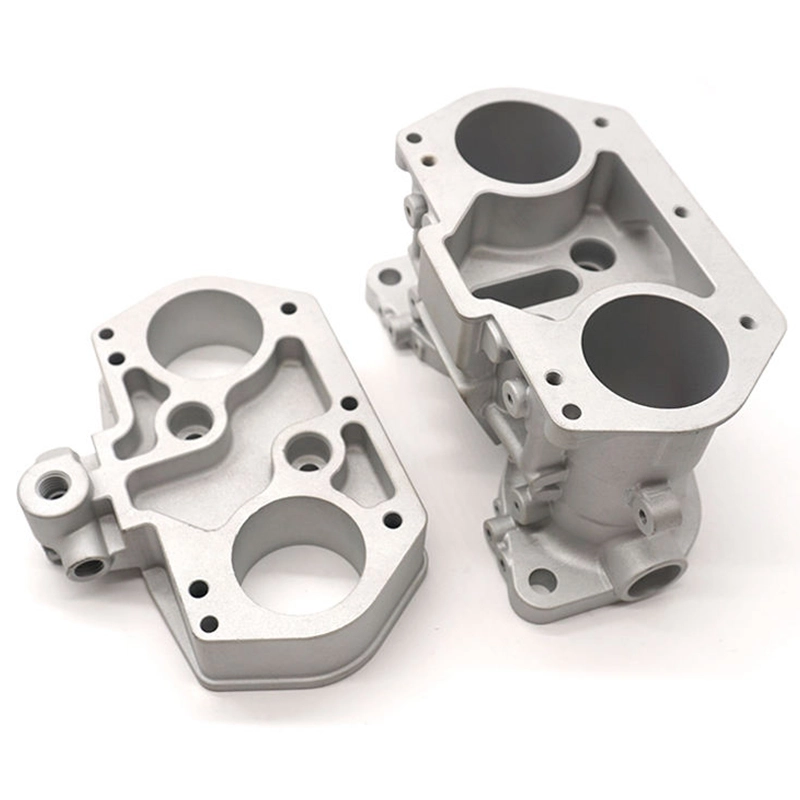
As industries shift to lighter, more efficient parts, aluminum alloys have become key players. The growing need for accurately made components in areas like aerospace, cars, and gadgets has greatly increased the call for tailored CNC-machined aluminum profiles. Thanks to their good balance of strength and weight, ability to resist rust, and fine heat transfer, aluminum alloys are vital in uses that need both shape and utility.
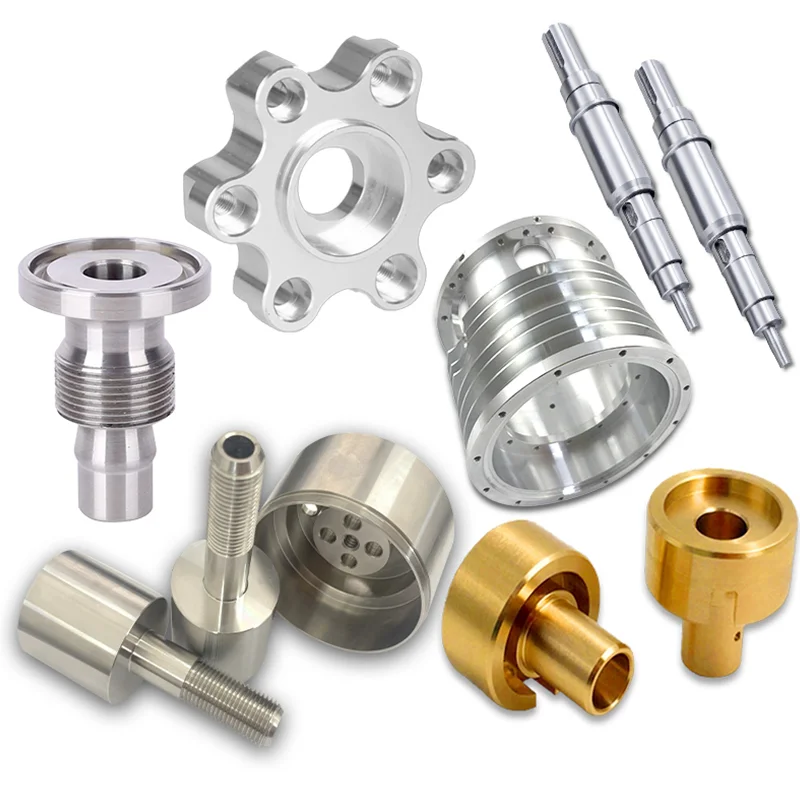
CNC machining stands out as a game-changing method for making aluminum pieces with close fits and detailed shapes. Xihui Aluminum Company supplies precisely made, custom CNC-machined aluminum profiles designed for demanding fields. They blend cutting-edge CNC machining (with tolerances of ±0.01mm), top-quality alloys for aerospace (such as 6061, 7075), and complete services. These range from quick prototypes to final surface treatments. As a result, this allows for growing production scales without losing strength or exact sizes.
How Do Heat Treatment and Mechanical Properties Define Aluminum Alloy Performance?
Heat treatment acts as a vital process that shapes the end qualities of aluminum alloys to fit particular needs. The power, flexibility, endurance against wear, and resistance to slow deformation in an alloy rely not just on its mix of elements. Instead, they also depend on the way it gets heated and cooled. In high-stress spots like an airplane support or a light gadget cover, aluminum requires careful heat treatments to reach its best results.
Classification and Composition of Aluminum Alloys
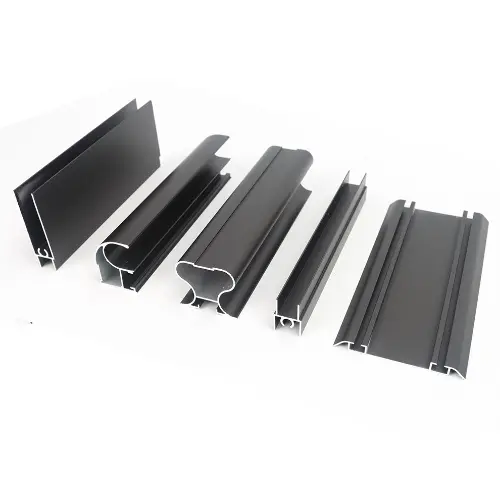
Aluminum alloys mainly split into two groups: wrought and cast. Wrought alloys, sorted into series from 1xxx to 8xxx, work well for extrusions, flat sheets, and building profiles. Take these examples, for instance, 1xxx series: Very pure, with great rust resistance — suited for electric uses. 6xxx series (e.g., 6061, 6063): Fair strength and good ease in cutting — often picked for building parts and CNC work. 7xxx series (e.g., 7075): Strong power — perfect for airplane jobs. Cast alloys suit tricky shapes best, like motor covers or detailed supports. There, using molds proves cheaper for forming.
How Do Alloying Elements Influence Aluminum’s Properties?
Every added element changes how aluminum acts. For one, magnesium boosts power and fights rust better. Silicon helps with easier casting and steady heat growth. Copper raises pulling strength, yet it weakens rust protection. Zinc adds toughness but can harm the joining by welding. At Xihui Aluminium, they handle many such mixes — like A6061, A6063, A7075, A5052. They use CNC machining with ±0.01 mm accuracy to meet exact customer needs for strength and function.
Heat Treatment Processes for Aluminum Alloys
Solution heat treatment means warming the alloy enough to mix in the elements that dissolve. Then, a fast cool-down, or quenching — often with water or air — keeps those elements locked in a crowded state, which sets it up for aging later. The quenching choice affects leftover stresses and any twisting that might happen.
How Do Natural and Artificial Aging Differ in Practice?
Natural aging lets strengthening bits form bit by bit at normal room temperature — typical for 6xxx series like 6061-T6. Artificial aging, however, speeds up those bits at higher temperatures (say, 160–200°C). It gives quicker steps and steadier qualities across groups of parts.
Why Is Annealing Essential After Cold Working?
Annealing softens aluminum hardened by cold shaping through a new crystal setup. It brings back bendability and clears built-up stresses from actions like rolling, pulling, or cutting, which matters a lot for jobs with heavy bending or forming.
Mechanical Behavior of Aluminum Alloys Post-Treatment
Alloys treated with solution heat and then artificially gain big jumps in pulling strength and the point where it starts to yield. As an example, 6061 in T6 state gives about double the yield power compared to its softened version. The curves of stress against strain change too, showing less stretch but better hold under loads.
What Factors Enhance Fatigue Resistance in Structural Applications?
The lifespan against fatigue ties to even grain sizes, spread-out strengthening bits, and smooth outer layers. By shaping the inner structure carefully through heat steps and cutting, cracks from repeated stress are pushed back a lot. Thus, these alloys fit well in moving load spots, such as planes or car frames.
Why Is Creep Resistance Crucial at Elevated Temperatures?
In plane motors or car drive systems, stuff faces steady heat pressure. Alloys such as 7075-T6 or 6061-T6 show better hold against creep when aged properly. Stable bits from that process stop slow bending under long loads.
Microstructural Evolution During Heat Treatment
Aluminum with small grains acts the same strong way in every direction. It also leads to smoother finishes after cutting, which counts heavily for seen parts, like frames or covers, that must look good and stay solid.
What Is Precipitation Hardening and Why Is It Effective?
Precipitation hardening happens as tiny bits build up in aging, blocking shifts in the metal’s inner grid, which raises hardness and pulling strength a great deal. It’s great for weight-holding CNC parts that need to avoid bending over time.
CNC Machining Capabilities in Custom Aluminum Alloy Fabrication
Many-axis CNC setups at Xihui Aluminium allow making complex shapes with very close fits (±0.01 mm). They handle steps like milling, turning, drilling, tapping — even on very slim pressed sections.
How Are Customer Designs Transformed into Functional Components?
From CAD sketches or real samples, digital tools model how the part will work before any cutting starts. Quick prototypes check if it fits and functions correctly. This cuts down the wait to get products out.
Check out this solution: Anodized Industrial CNC Extrusion Aluminum Profile.
Which Surface Finishing Options Improve Appearance and Durability?
- Anodizing: Boosts rust resistance and lets you pick colors.
- Sandblasting: Gives a dull look to goodsfor parts you see.
- Powder Coating/Electrophoresis: Raises scratch resistance for tough work settings.
XiHui Aluminium: Your Trusted Partner in Custom CNC Aluminum Profiles
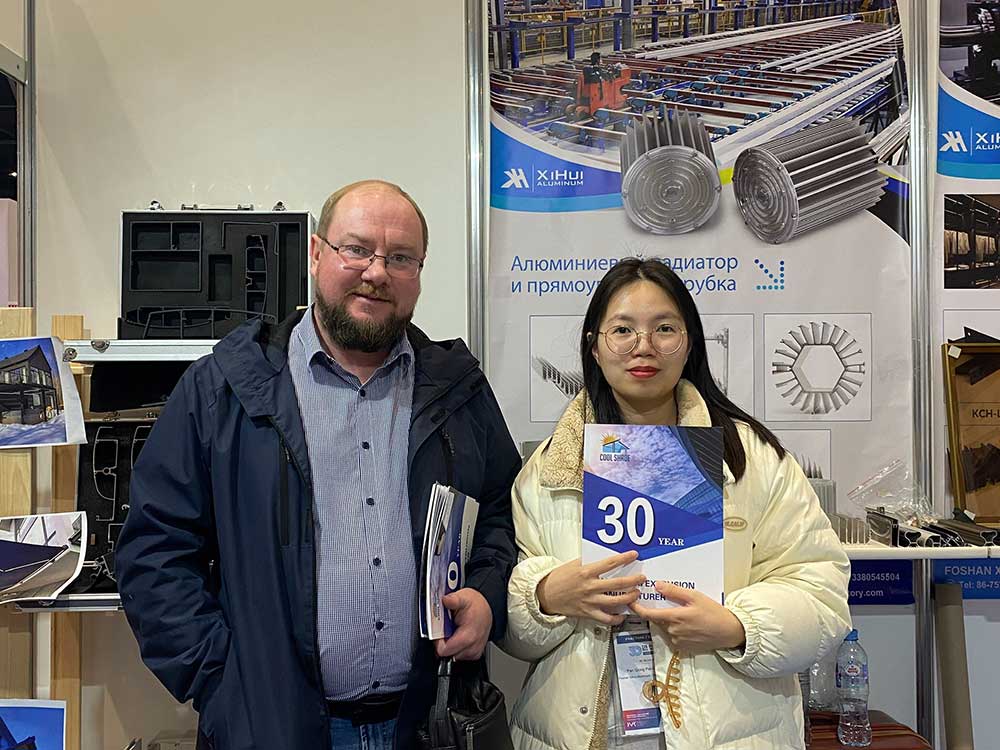
For more than 30 years, Xihui Aluminium has provided top custom aluminum extrusion options to places around the world in over 120 countries. With checks certified by ISO 9001 and more than 10000 molds kept in stock, they focus on very thin aluminum profiles tied with exact CNC cutting.
Their site has over 40 machines for deep auto-processing that cover 98% of what customers need in machining — things like drilling, marking, laser slicing, and anodizing. Fast mold building (in 7–10 days) plus full help for OEM/ODM makes them a top choice for engineers everywhere.
Application Sectors Benefiting from Customized CNC Aluminum Components
Plane builds need stuff with a strong hold against repeated stress but low weight. CNC aluminum profiles deliver that exactly — with close size control for key safe parts like supports or covers.
How Does Automotive Manufacturing Leverage Thermal-Stable Alloys?
Mounts for engines or cases for transmissions face changing forces and high temperatures. Alloys treated with heat, like 6061-T6 or 7075-T6, keep their sizes steady in those spots. Plus, CNC cutting allows detailed shapes.
Why Are Electronics Enclosures Made from Machined Aluminum Profiles?
Due to their top heat flow and shield against electric waves, cut aluminum covers keep inner parts safe in small gadgets. There, getting rid of heat matters most.
Project Highlights: Showcasing Successful Collaborations
In a study of cases for exact medical gear, super-close fits came from 5-axis CNC cutting. It met strict needs for smooth layers and safe body contact — all done in weeks from test to full make.
How Were Modular Industrial Frames Engineered for Flexibility?
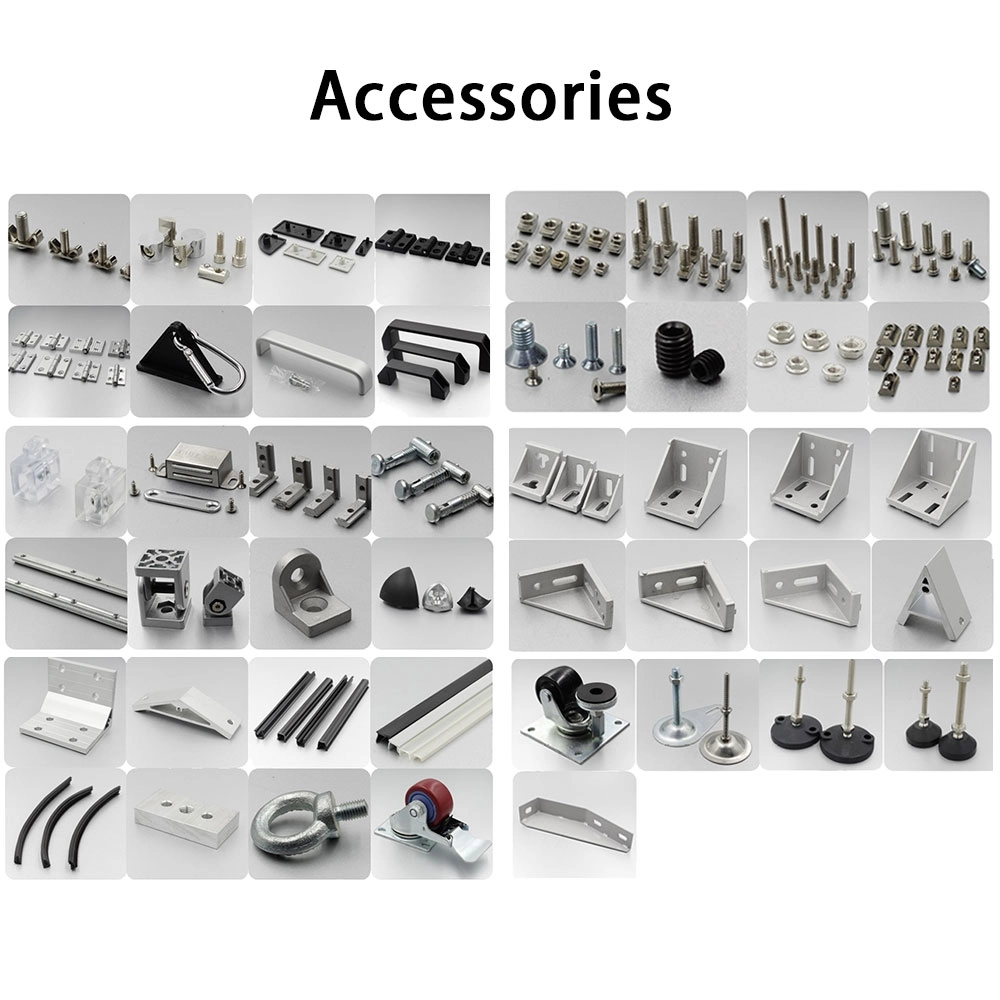
Work frames with T-slot design got built for easy put-together or take-apart using sectioned aluminum presses. The exact work ensured a firm build while fitting custom add-ons as clients wanted. Discover more here: 5 Axis CNC Milling Turning Aluminum.
Comprehensive Customer Support Services at XiHui Aluminium
With auto-quote systems and checks on design for making, clients get plans in hours. Full making often starts in 15–25 days, based on how tricky the job is.
What If Post-Delivery Adjustments Are Needed?
A special team for tech help deals with after-sales questions fast, giving changes or swaps under promise terms if required. This keeps every client happy in the long run.
Key Insights on Aluminum Alloy Behavior & Processing
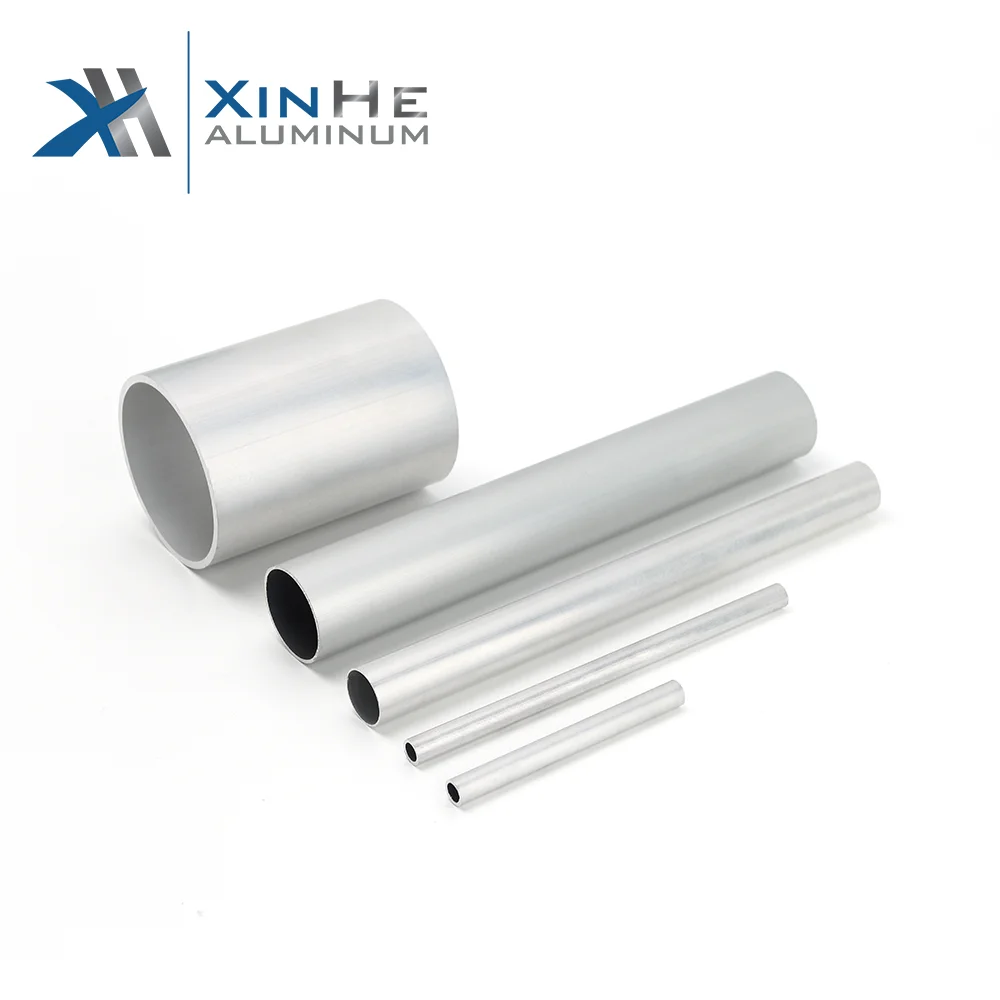
Aluminum Industrial Profile, industrial aluminum extrusions, and industrial aluminum alloy profiles refer to alloy materials primarily composed of aluminum. Aluminum billets are heated and extruded to produce aluminum materials with various cross-sectional shapes. However, differing proportions of added alloys result in industrial aluminum profiles with varying mechanical properties and application fields. Choosing the right mix of added elements, along with proper heat steps like dissolving and aging, proves key to fine-tune actions such as pulling strength, hold against fatigue, and steady form under creep. These inner metal changes work hand in hand with CNC cutting methods that hit tiny precision levels. In turn, they create high-working end parts for many fields, ensuring everything from start to finish aligns for real-world use where reliability and exactness drive success across diverse setups.
FAQ
Q1: What is the minimum order quantity (MOQ) for custom CNC–machined aluminum alloy parts?
A1: The MOQ depends on the complexity of the part, but generally starts from 10 pieces per design for standard profiles at XiHui Aluminium.
Q2: What surface finishing options are available for CNC–machined aluminum alloys?
A2: XiHui Aluminium offers a variety of finishes, including anodizing (clear/colored), sandblasting, powder coating, electrophoresis coating, polishing, brushing, etc., based on application needs.
Q3: Does XiHui Aluminium provide structured data markup to improve search visibility?
A3: Yes, product pages are optimized using schema.org structured data formats to enhance rich snippet appearance on search engines like Google.