
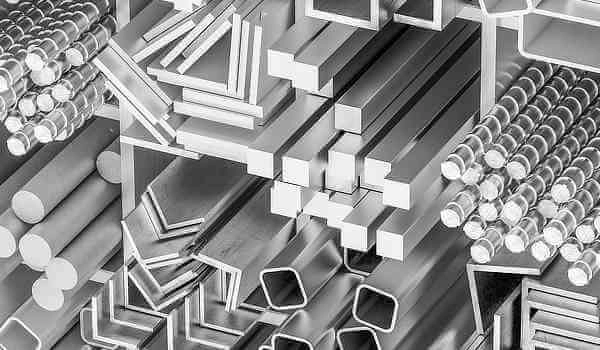
In today’s advanced manufacturing world, the worldwide need for precisely made aluminum alloy parts keeps rising quickly. Sectors like aerospace, automotive, and electronics depend more on custom CNC machining to meet strict tolerances and provide lightweight strength. Changes toward electrification, automation, and smaller designs push for materials that offer low weight along with excellent strength and low magnetism. These features make aluminum alloys key in current engineering projects.
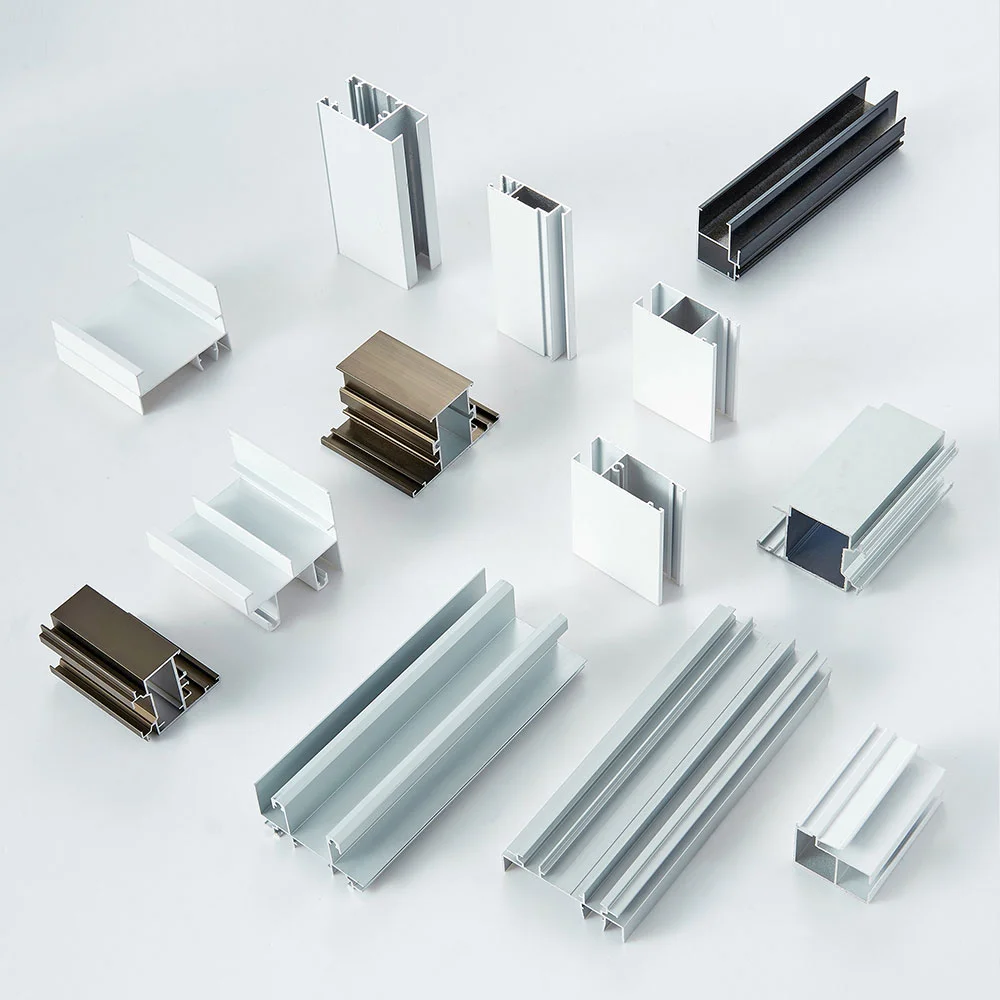
Aluminum Industrial Profile: Industrial aluminum extrusions and industrial aluminum alloy profiles consist mainly of materials from aluminum. Workers melt aluminum rods and push them through dies to create aluminum items with various cross-sectional shapes. Yet, the strength qualities and uses of these industrial aluminum profiles vary based on the mix of added alloys. This built-in flexibility lets manufacturers adjust strength and magnetic traits to fit particular needs. Thus, CNC-machined aluminum alloys play a main role in vital systems where a little magnetic effect is important.
The Role of CNC Machining in Aluminum Alloy Fabrication
CNC machining has changed the way people make aluminum alloys by improving accuracy, consistency, and design options. With automatic processes like milling, turning, drilling, and threading, experts can create detailed shapes with very fine precision at the micron level. Aluminum’s ease in machining supports quick material cutting while keeping the structure solid during fast work. Plus, its reliability under physical pressure gives steady outcomes in big production batches.
Xihui Aluminium offers exactly made custom, CNC-machined aluminum profiles built for key industry uses. It mixes top CNC machining with tolerances of ±0.01mm, high-quality alloys like 6061 and 7075, and full services from quick prototypes to final surface work. These skills make CNC machining a great choice for parts needing both exact sizes and low magnetic influence.
Magnetic Properties of Aluminum Alloy
Before looking at alloy types, it’s key to examine pure aluminum’s basic makeup. Aluminum’s crystal setup, which is face-centered cubic (FCC), leads to electron pairs that balance out their magnetic pulls. As a result, pure aluminum counts as a slightly paramagnetic substance. It shows just a small pull in powerful magnetic fields and nothing in everyday settings. Unlike strong magnetic materials such as iron or nickel that hold onto magnetism after the field goes away, aluminum’s reaction remains remarkable.
Influence of Alloying Elements on Magnetism
When manufacturers add elements like copper, magnesium, silicon, or zinc to the base, they change how electrons spread and mildly shift magnetic pull. For instance, magnesium or silicon in 6000 series alloys often keeps low magnetism while boosting the strength-to-weight balance. Extra bits or heat processes can raise or lower this slight paramagnetism based on how even the tiny structure is. Usual choices include 3030, 4040, 4545, 5050, 6060, 6061, and 6063, with tempers T5 and T6. These types stay top picks for low-magnetic build uses because of their even strength results.
Factors Affecting Weak Magnetism in Aluminum Alloys
The edges of grains and shifts inside aluminum alloys affect how small magnetic areas react to outside fields. Cold shaping adds stress that might briefly boost magnetic response by bending the evenness of the lattice. But heating to relax restores balance by easing built-up pressures. Surface work, like anodizing, helps too by creating oxide covers that block electrical noise as non-leading shields.
External Environmental Conditions
Changes in heat directly impact paramagnetic actions: in freezing states, electron movement slows a bit and makes magnetic pull stronger; on the other hand, high heat makes magnetism even weaker. In cutting or working near magnetic sources, like engines or detectors, designers must consider these in their plans.
Processing Techniques and Their Impact
Settings in CNC machining greatly shape leftover stress patterns, which can softly change surface magnetism. Choices of tools and types of cutting liquids decide not just the surface look but also the small oxidation levels on cut areas. Fast milling with excellent lubricant control cuts down heat differences and keeps steady, low-magnetic work across the whole piece.
Applications Where Weak Magnetism Matters
Aerospace setups need materials that avoid messing with direction tools or touchy electronic sensors. Light build parts made from 6061-T6 or 7075-T6 alloys give excellent resistance to repeated stress while keeping almost no magnetism. This suit covers around spinning balance units or radar setups well.
Electronics and Communication Devices
In electronic boxes or signal modules where blocking magnetic waves is vital but cutting weight is still key, low-magnetic aluminum alloys hit the right mix. They work well in links, heat spreaders, and frames to stop signal twists without losing electrical flow.
Automotive and Industrial Equipment
Electric cars use many sensors open to unwanted magnetic pulls, so low-magnetic alloys make sure signals are processed correctly in control setups. Similarly, robotic arms on assembly lines benefit from these traits, allowing for precise movement without external interference.
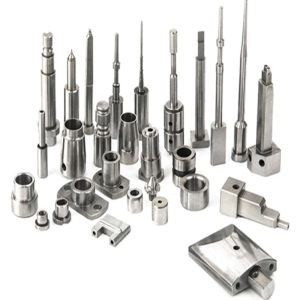
XiHui Aluminium: Precision CNC Machining for Custom Aluminum Solutions
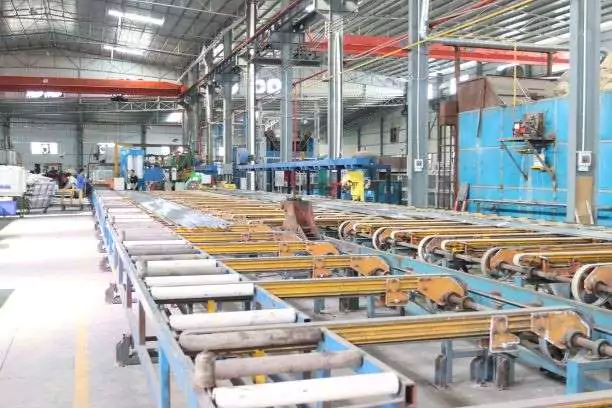
Since 1993, as a worldwide manufacturer focused on pushing profiles and advanced CNC work, XiHui Aluminium blends new ideas in design with years of build know-how. Our site covers more than 10,000 square meters with fifteen pushing lines and forty deep-work machines, including many-sided CNC units that hit ±0.01 mm tolerances. This setup makes sure each item meets high aerospace rules.
Technical Strengths and Capabilities
Advanced CNC Equipment and Skilled Technicians
We run many exact-sided machines linked with auto-check systems to promise size sameness in batches and quick back-model making.
Expertise in Machining Processes
Our group shines in turning, milling, drilling, threading, marking, laser slicing, and surface polishing methods fit for varied industry wants.
Customization Capabilities and Quality Assurance
Personalized Design-to-Manufacture Process
Users can turn idea sketches into working items via our full flow, which covers tool making in seven days and full output after that.
Quality Control System
Each step, from checking start materials with 6000-series A-grade bars to end checks, follows ISO 9001-approved steps to guarantee strength and steadiness under tight size needs.
Industry Experience and Application Fields
Our item range aids areas from aerospace to building via electronic covers and auto frames using alloys like A6061 and A7075, noted for strong weight-to-strength mixes.
Surface Treatment Options for Enhanced Performance
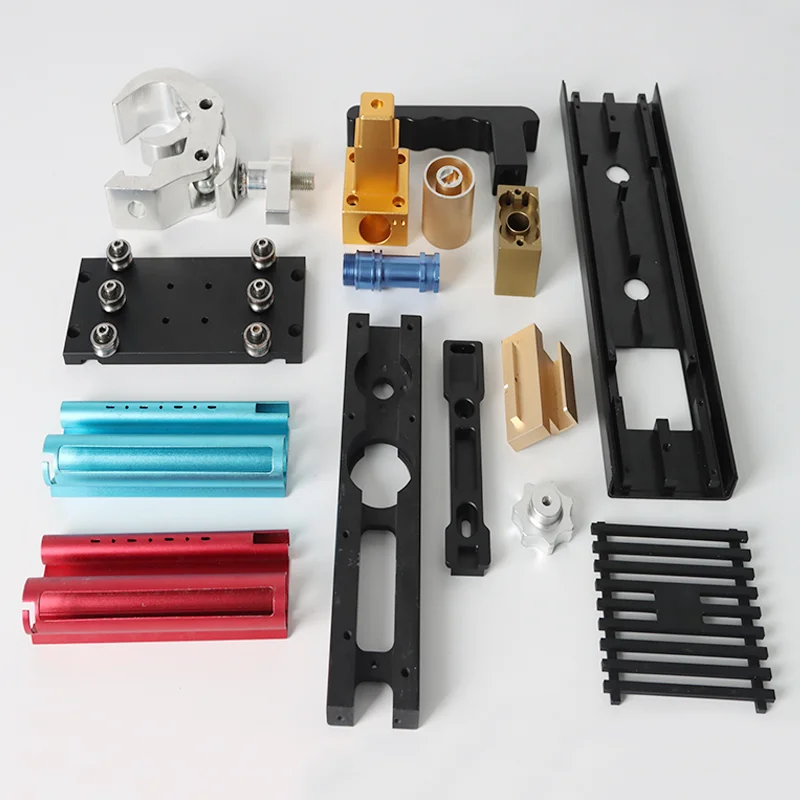
We give anodizing to fight against rust, sandblasting for feel tweaks, polishing for looks, and powder coating for lasting strength. All can change per user details to ensure long-term use in different settings. For example, our Customized Metal Aluminum Turning Parts shows how exact work meets flexible changes through full automation. It brings top rust fight with fine looks, fitting for industrial auto systems.
Client Collaboration and Service Excellence at XiHui Aluminium
Our plan for handling projects stresses clear views from the first talks through after-support to make smooth user paths in all steps of working together.
Project Execution Workflow
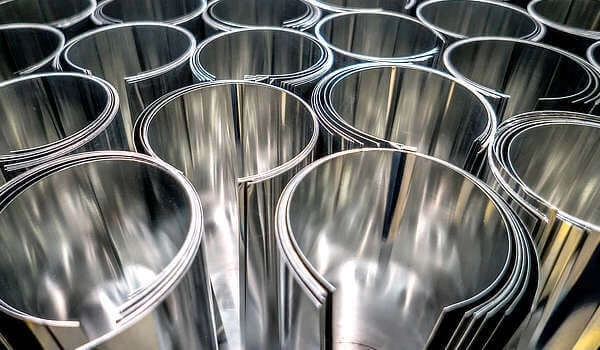
From Concept to Completion
We offer fast price checks backed by build-check reviews before starting tool plans, then model tests before big output starts. This keeps speed without losing quality marks.
Sample Development & Mass Production
Model making uses five-sided machining for tricky shapes, then grows via matched pushing-CNC links to best set times while holding evenness in amounts.
Customer Support & After-Sales Service
Responsive Communication Channels
Special tech experts stay open during project runs, giving quick replies matched to changing user details and building a team idea culture in each part.
Quality Guarantee & Continuous Improvement
Checks after sending look at long-run work and feed into steady, better programs to keep trust levels known worldwide in over 120 partner countries. Users wanting more changes can check our wider range, like the 6000 Series Custom Aluminum Profiles. It’s made for high-accuracy auto setups needing a steady, low-magnetic hold under work pressures.
Conclusion
Picking us as your CNC team means getting thirty years of field know-how backed by top machines that bring new custom work through strict quality steps. Our team always turns fresh ideas into real items that hit top world rules, urging users around the globe to try clear gains after using our custom fixes via close ties open on our main online contact spot. Feel free to contact us!
FAQ
Q1: What is the minimum order quantity for custom CNC machining of aluminum alloys?
A1: We support flexible order quantities, starting from a single sample to meet R&D and small-batch needs. Large-volume orders can be customized according to project complexity and delivery time.
Q2: What surface treatment options are available for CNC-machined aluminum alloys?
A2: We offer various methods, including anodizing, sandblasting, polishing, electroplating, and powder coating, to meet different appearance and functional requirements. Customers can choose the appropriate process based on their usage environment.
Q3: How is a creative design transformed into an actual aluminum alloy product using CNC technology?
A3: After the customer provides 3D drawings or samples, our engineering team will optimize the process and machine the finished product using high-precision equipment. The entire process includes design confirmation, prototyping, mass production, and quality inspection to ensure efficient implementation from concept to reality.