
Aluminum serves as a light yet highly conductive metal. This quality makes it a common pick for many engineering and consumer uses. In smoking devices, their heat and chemical traits demand careful review. As a top manufacturer with 33 years in aluminum extrusion and CNC machining, we at XiHui Aluminium have built strong skills in refining aluminum alloys for heat contact and surface steadfastness. We run 15 extrusion production lines, 2 anodizing production lines, 2 powder coating production lines, and 40 CNC deep processing production lines. These allow us to supply aluminum profiles in diverse sizes and forms. Such a setup helps us keep a tight grip on material makeup and finish quality. Both play key roles in safety when aluminum is exposed to heat in smoking activities.
Thermal Conductivity and Heat Resistance of Aluminum
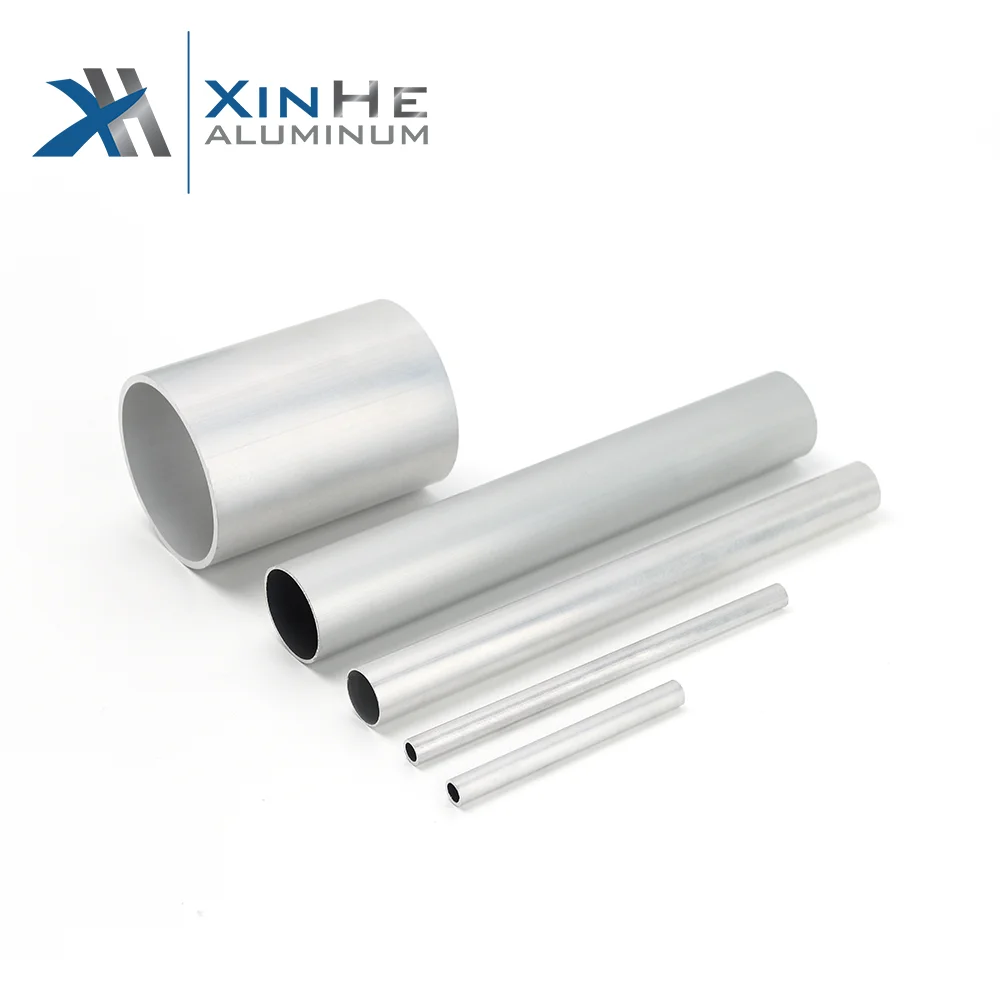
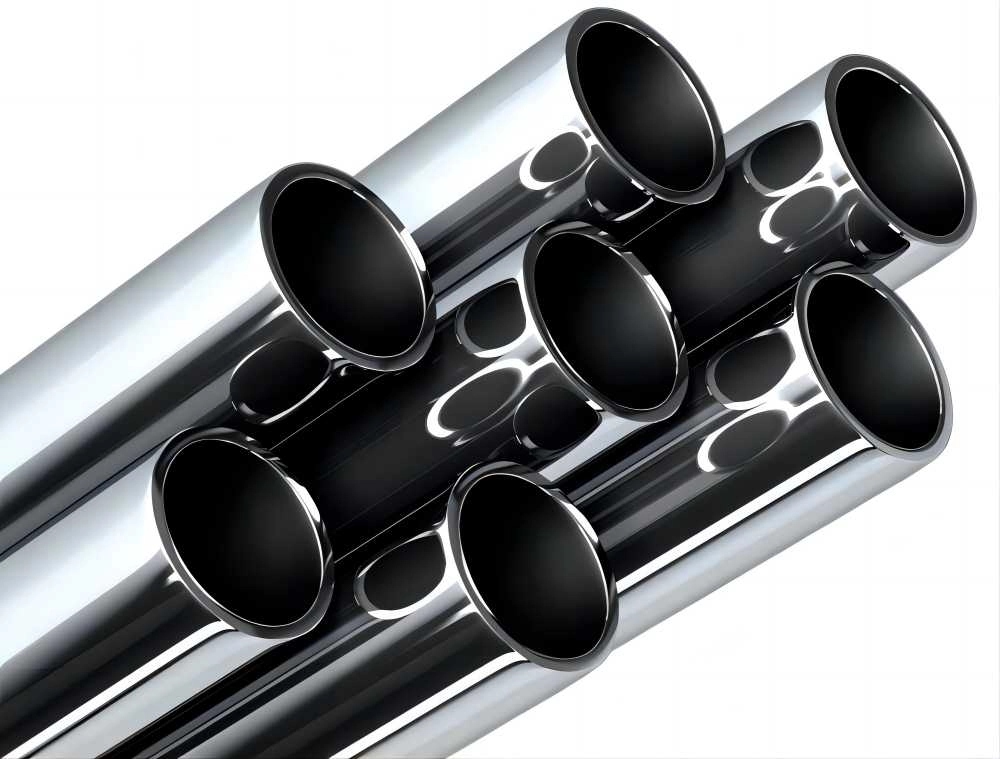
Aluminum’s strong thermal conductivity lets heat move quickly over its surface, which can prove helpful or tricky in smoking setups. Quick heat spread aids uniform burning. Yet it might cause too-high surface heat if not handled well. Check out our lineup of aluminum round tubes, and they come in several sizes for industrial and building needs. These resist rust, weigh little, and last long. They suit structural tasks perfectly. The same features fit products like the Versatile Aluminum Round Tubes for managed heat settings. Design them with enough wall depth and air paths, and they work fine.
Too much or prolonged heat can harm the inner structure of aluminum alloys like 6061 or 6063 T6, which leads to softening close to the melting point, about 660°C. So, when creating smoking pipes or add-ons, experts need to consider the working heat range and the alloy’s oxidation limit. Surface fixes like anodizing boost resistance, and they form a firm oxide coat that works as a heat shield.
Chemical Reactivity Under High Temperatures
When facing high heat, aluminum builds an oxide layer naturally, which shields it from more rust or reactions with burn leftovers. But dirt or untreated coats might break down under direct flame touch. Aluminum Alloy Material: 6061 and 6063 T5 and T6 rank as usual types. They hold chemical stability even after many heat rounds. Still, any small impurities added during making, such as oils or shine leftovers, must be cleaned fully before use, which cuts down breathing dangers.
CNC Machining and Its Role in Aluminum Pipe Fabrication
The exactness of CNC machining proves vital for building safe aluminum pipes meant for high-heat uses like smoking devices. Our CNC shop blends automatic drilling, milling, engraving, punching, tapping, laser cutting, and exact trimming tasks, which achieves close fits in every group.
Precision Engineering for Structural Integrity
CNC machining guarantees size accuracy in pipe making. It keeps steady wall depths that avoid weak spots under heat strain. The inner sizes of the profile matter a lot. While outer sizes follow standard market measures, inner sizes drive assembly success. Thus, inner shape exactness shapes structural strength directly, and we follow this rule strictly in pipe building.
Plus, our surface finish steps cut flaws that could hold residues or dirt inside the pipe. Automated check systems and harm-free test ways let us promise mechanical trust even after many heat rounds.
Surface Treatments and Post-Machining Considerations
After machining, fixes like anodizing or shining greatly increase rust resistance, and they also lower surface reaction in use. Anodized layers make a thick oxide film, which stops raw metal from touching smoke bits directly. Wrong finishing might leave tiny scratches that gather tar or resin. So, all cut parts face checks before packing.
We boast a top R&D team. It has created several patented items and leads in tech and fresh ideas. This skill reaches into making custom surface fixes tuned for looks and safety in heat settings.
Thermal Behavior During Smoking Use
How heat acts along an aluminum pipe shapes user ease and lasting strength.
Heat Distribution and User Safety Implications
Uneven heat flow can make local hot spots. There, rust speeds up, or users risk burns. To fix this, CNC-built air channels inside the pipe can control heat shifts well. By adding ribs or stretched areas via precise milling, manufacturers can spread heat more smoothly along the tube’s length. This tuning lowers overheating chances in long use. At the same time, it keeps the flame true by stopping too much burning near the bowl’s spot.
Impact of Repeated Heating Cycles on Material Stability
Many heat and cool cycles cause inner structure wear in aluminum alloys over time. This may bring slow bending or oxide layer buildup on inner faces. Such changes could shift taste, feel, or ease of airflow. So, set regular check plans to spot early color shifts or dents in high-heat areas. With good care plans backed by our build tips, these issues stay small over the item’s life.
Health and Safety Considerations in Aluminum Pipe Usage
Safety tops the list when judging if an aluminum pipe fits for smoking.
Potential Release of Metal Particulates or Fumes
In harsh conditions near melting heat, tiny bits might break off from raw surfaces. The chance ties to alloy mix (like 6061 vs. 6063), surface finish level, and heat time. Tests with spectrum tools check that release amounts stay under known safety limits before we send out any item from our site.
Our in-house QC group runs multi-step reviews from raw extrusion to final put-together, which confirms a match to world standards like SGS or ISO certifications noted on our site’s lists.
Comparing Aluminum with Alternative Materials for Smoking Devices
Stainless Steel Pipes
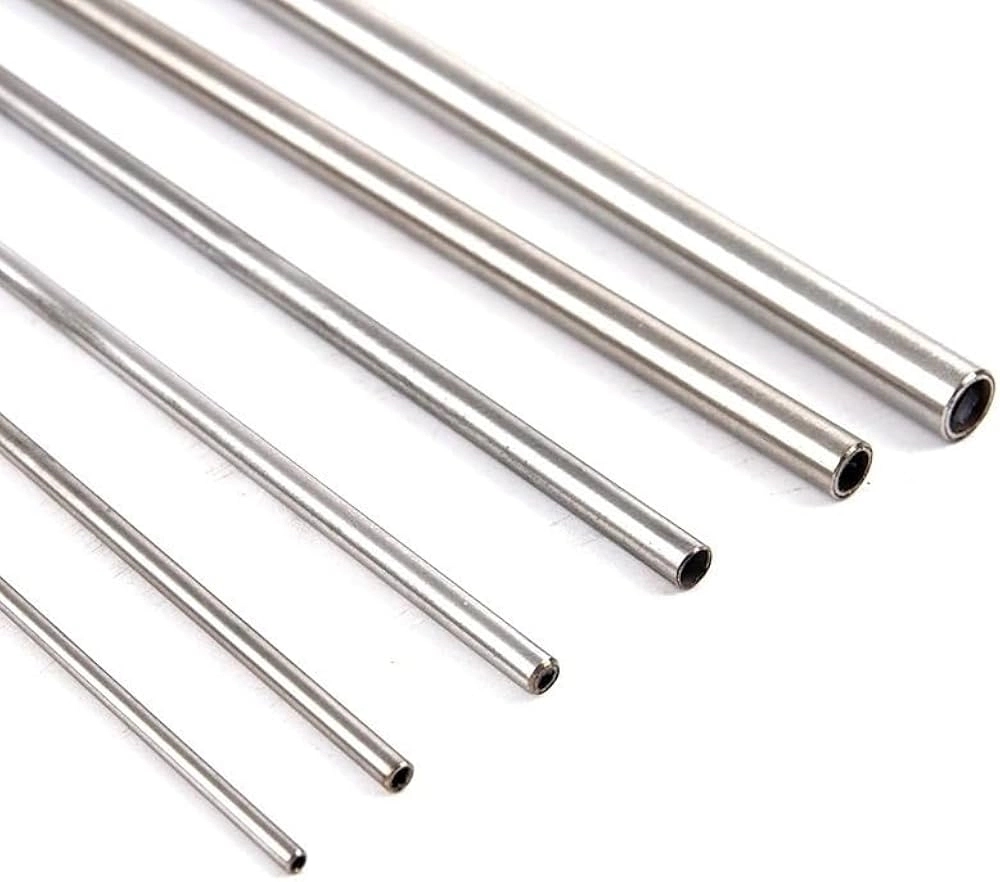
Stainless steel has a higher melting point, over 1400°C, compared to aluminum. But it adds weight and slows heat response, which fights rust very well. Yet it needs more power in making.
Glass and Ceramic Options
Glass and ceramics stay chemically neutral with little reaction under burning conditions. However, their breakable nature cuts portability versus light metals like aluminum pipes made through CNC technology.
Engineering Guidelines for Safe Aluminum Pipe Design Using CNC Technology
Building safe aluminum smoking pipes mixes metal knowledge with exact build rules from factory-made norms.
Design Optimization Strategies for Heat Management
Heat spread aids like ribs or holed rooms can be joined via advanced milling in our CNC service set. Right gaps between burn areas and mouthparts boost ease, and they also cut the heat pass to the user-side parts.
Quality Control Measures in Production Workflow
Every batch faces tuned routines matched to GB/T 5237-2008 high exactness norms, which holds steady across thousands of units made each year. Harm-free test ways find inner faults unseen by eye checks. Thus, only strong pipes move to the last finishing steps. We keep our own QC team to watch product quality for all client orders before shipping. This way promises every load hits strict size fit needs, a key for safe work under changing heat loads.
Maintenance Recommendations for Longevity and Safety Assurance
Clean often to stop residue buildup that could block air flow or add dirt on reheat rounds. Users ought to check devices now and then for color spots showing oxide growth. Light shining with soft cleaners brings back surface strength without harming anodized layers.
Our tech help group offers full care guides fit to certain alloy kinds in each custom order line made at our Foshan site. We stand as a world supplier to over 120 partner lands. For more advice on safe build settings or custom-made jobs with exact-cut aluminum pipes fit for managed smoking uses, reach out to us today!
FAQ
Q1: What makes CNC-machined aluminum safer than cast alternatives?
A1: CNC machining brings even density without the air gaps seen in cast ways. This even builds cut and bend risks when facing many heat rounds common in smoking cases.
Q2: Does anodizing eliminate health risks associated with heated metals?
A2: Anodizing cuts reactivity a lot by making a firm oxide shield layer that holds against several hundred degrees Celsius. Yet users should not put anodized parts right in open flames past design limits.
Q3: How does alloy selection influence safety performance?
A3: Alloys like 6061-T6 mix strength with rust fight under fair heat ranges. Their steady act under strain makes them top picks when built via high-precision CNC steps in our line at XiHui Aluminium’s Foshan plant.