
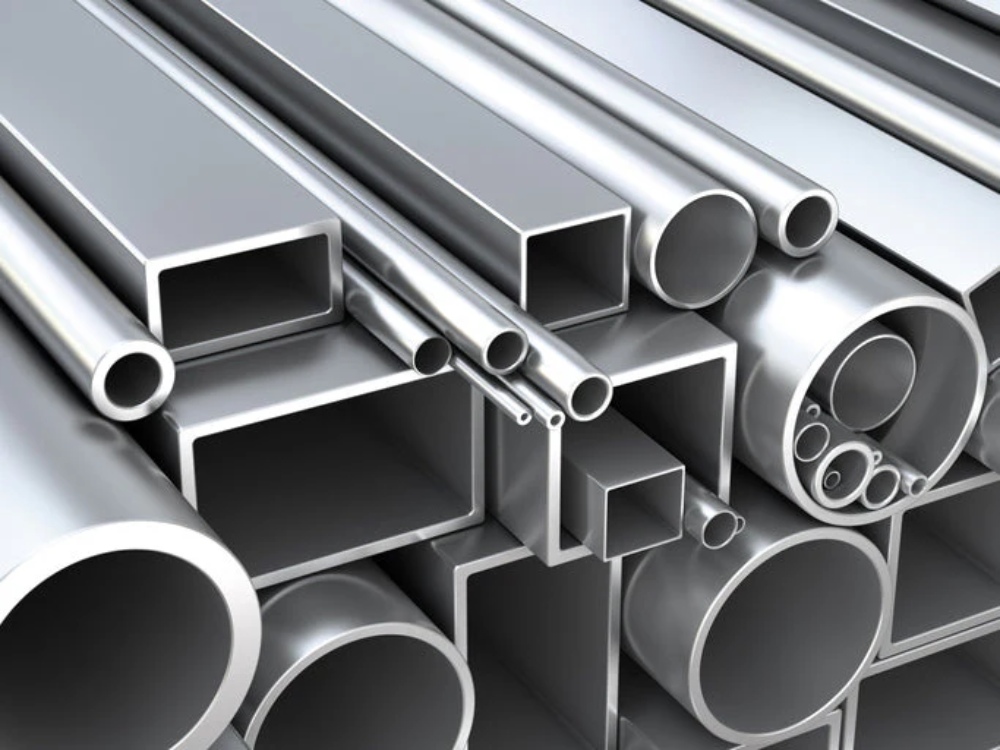
When you compare aluminum pipe and steel in terms of mechanical performance, the atomic structure and bonding of each metal matter a great deal. Aluminum’s metallic bonds are not as tight as those in steel. This gives it more flexibility but less pulling strength overall. Steel, made mostly of iron with carbon and other added elements, shows stronger connections between atoms. As a result, it becomes harder and can handle more weight. Density sets them apart, too: aluminum weighs about one-third as much as steel. That makes it very useful in places where cutting down weight is key, yet you still need a solid structure.
Comparing the Mechanical Strength of Aluminum and Steel Pipes
Fundamental Material Differences Between Aluminum and Steel
Aluminum industrial profiles, industrial aluminum extrusions, and industrial aluminum alloy profiles are alloy materials with aluminum as the main component. Aluminum rods are melted and extruded to obtain aluminum materials with different cross-sectional shapes. However, the mechanical properties and application areas of the produced industrial aluminum profiles vary depending on the proportion of alloys added. The mix of alloys also changes how they act under mechanical stress. For instance, 6061-T6 and 6063-T5 aluminum alloys strike a fine balance between ease of working and strength after heat treatment. On the other hand, various grades of steel—such as carbon or stainless—reach higher pulling limits. Yet they bring extra weight along.
Tensile and Yield Strength Characteristics
Looking at pure mechanical terms, steel usually has greater pulling strength than aluminum alloys. That said, the yield strength of aluminum can change quite a bit based on tempering conditions and added elements like magnesium or silicon. If you look at stress–strain curve comparisons, steel stays in its straight elastic phase up to higher stress points. Aluminum, however, shifts more smoothly into plastic deformation. This lets it take in energy better before breaking. Such a trait suits aluminum pipe well for moving systems that need bendability under shocks or sudden hits.
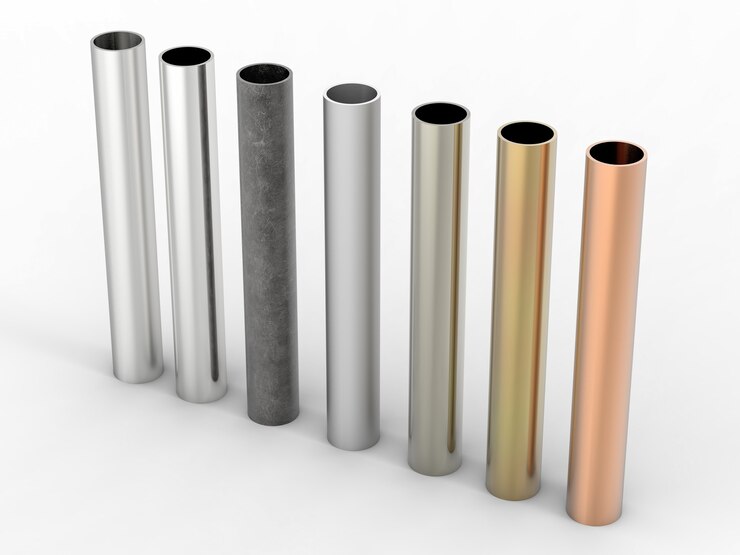
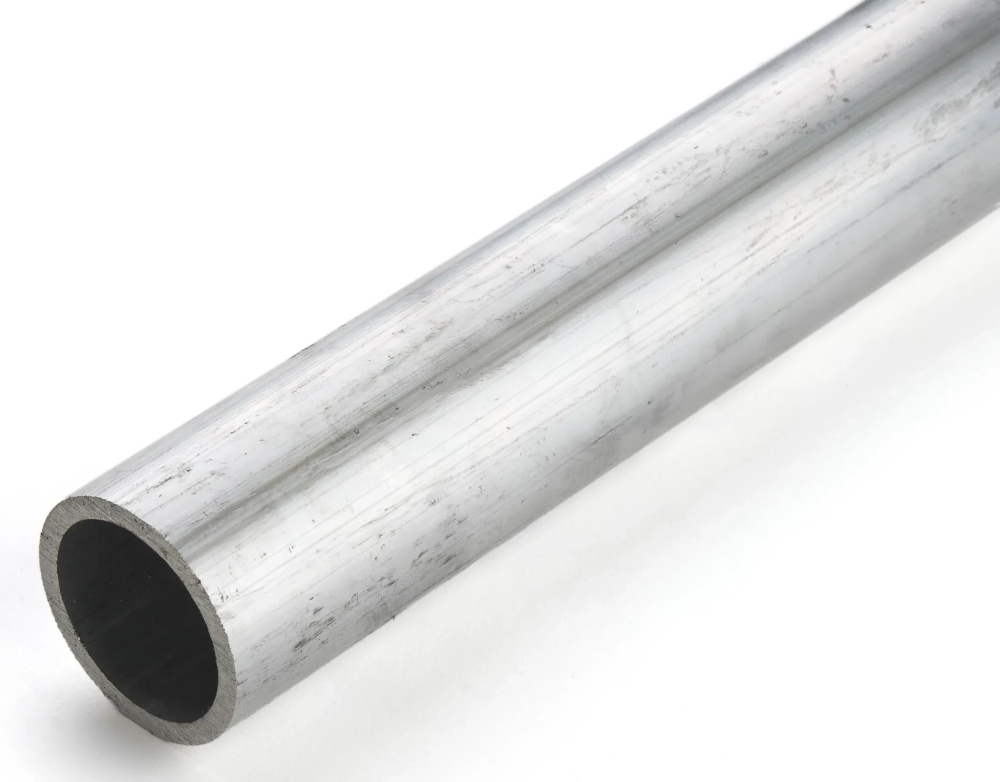
Discover our range of aluminum pipes, available in various sizes for industrial and construction applications. Corrosion-resistant, lightweight, and durable, perfect for structural needs. The versatile aluminum pipes exemplify this property with wall thicknesses from 0.4 mm upward, supporting both industrial frameworks and architectural installations where high yield-to-weight ratios are critical.
Behavior of Aluminum and Steel Under CNC Machining Stress
The Effect of CNC Machining Forces on Material Integrity
CNC machining brings focused heat and mechanical stresses that test material wholeness in different ways for aluminum and steel. Cutting forces create warmth at the point where the tool meets the workpiece. Since aluminum conducts heat far better than steel, it spreads the heat fast. This cuts down the chance of heat-related warping but can lead to sticky chips if you don’t adjust cutting settings correctly. The shape of the tool and how fast you feed it shape the surface quality. Slower feeds give nicer finishes. However, they might build up stress spots if you don’t cool down enough.
Custom CNC machining plays a big role in modern manufacturing. It shapes raw materials into exact parts through steps like drilling, milling, bending, welding, or laser cutting. In our CNC machining services for aluminum profiles, we use smart toolpath planning to keep sizes steady in tricky shapes. At the same time, we manage changes in the tiny structure near the cut surface. This way, we hold steady tolerances even in repeated runs typical for automated setups or exact enclosures.
Deformation Response During CNC Operations
When you apply the same cutting setup, aluminum often bounces back elastically because its stiffness measure is lower than that of steel. So, cut parts might see a small rebound after the tool pulls away. This counts a lot in careful fitting jobs, like lining up extrusion slots or making threaded holes. Steel pushes back against shape changes more firmly. But it can get harder in the surface layer due to the high heat in fast cutting. When you add moving loads at high spindle turns, it checks how well they fight tiredness. Steel keeps its toughness over time. Meanwhile, top-quality treated aluminum like 6061-T6 holds strong fatigue-staying power if you cool it well during cutting rounds.
Our CNC Aluminum Services integrate advanced five-axis machining centers capable of drilling, milling, engraving, punching, tapping, and laser cutting using 6000-series A-grade material with over 98% purity to achieve exceptional precision across all custom designs.
Structural Performance in Engineering Applications
Load-Bearing Capacity in Piping Systems
Steel pipes lead in high-pressure settings like oil lines or fluid power systems since their pulling power beats most other non-iron options. However, that strength costs more in terms of weight. Aluminum pipes shine where light but tough builds are crucial—for example, in plane frames or robot limbs—since each kilo less boosts quick response or load capacity.
Finite element modeling reveals that under combined bending and torsional loads, aluminum’s lower density allows greater deflection without catastrophic failure compared with brittle steels under similar stress ratios. We have 15 sets of aluminum extrusion machines and 40 sets of deep processing machines, which can support you with various customized designs, and our annual output is more than 7200 tons per year. This production capability enables us to deliver structural profiles tailored for both static frameworks and motion-intensive assemblies.
Fatigue Resistance and Long-Term Durability
Fatigue tests indicate that repeated loading slowly lowers the endurance limit for both metals. Yet aluminum tends to start tiny cracks at milder stress levels because its crystal slide paths work more under pull-push cycles. Surface finishes like anodizing boost fatigue lifespan a lot by closing small flaws from extrusion or cutting.
The surface has undergone anodizing treatment, making it corrosion-resistant and wear-resistant, and it has a wide range of applications. Heat-treated steels keep their build wholeness over long use periods but need rust preventers to stop oxidation damage—a problem that doesn’t hit naturally protected aluminum alloys in building pipe setups.
Thermal and Corrosion Considerations in Machined Components
Thermal Expansion Behavior During Operation
Thermal expansion influences size stability after cutting. Aluminum grows almost twice as much as steel under temperature shifts. In careful builds like lens holders or auto movers using extruded T-slot frames, this growth needs design fixes or steady heat settings.
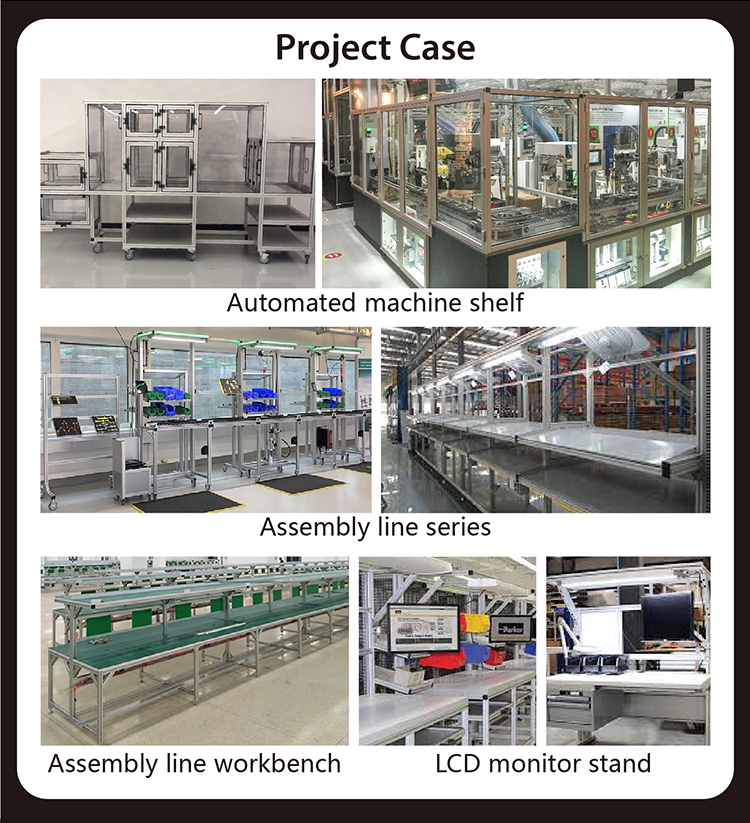
Aluminum T-Slot Profile: Industrial assembly line profiles utilize the continuous or intermittent movement of conveyor belts to transport various items of different weights and sizes. In these scenarios, our T-slot extrusions maintain alignment through tight process control during anodizing, which stabilizes surface tension across long profiles, ensuring reliable fitment even after repeated heating cycles.
Corrosion Resistance After CNC Processing
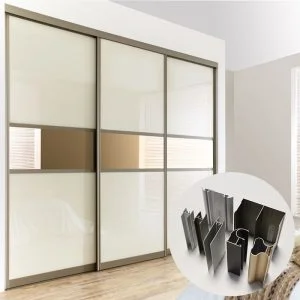
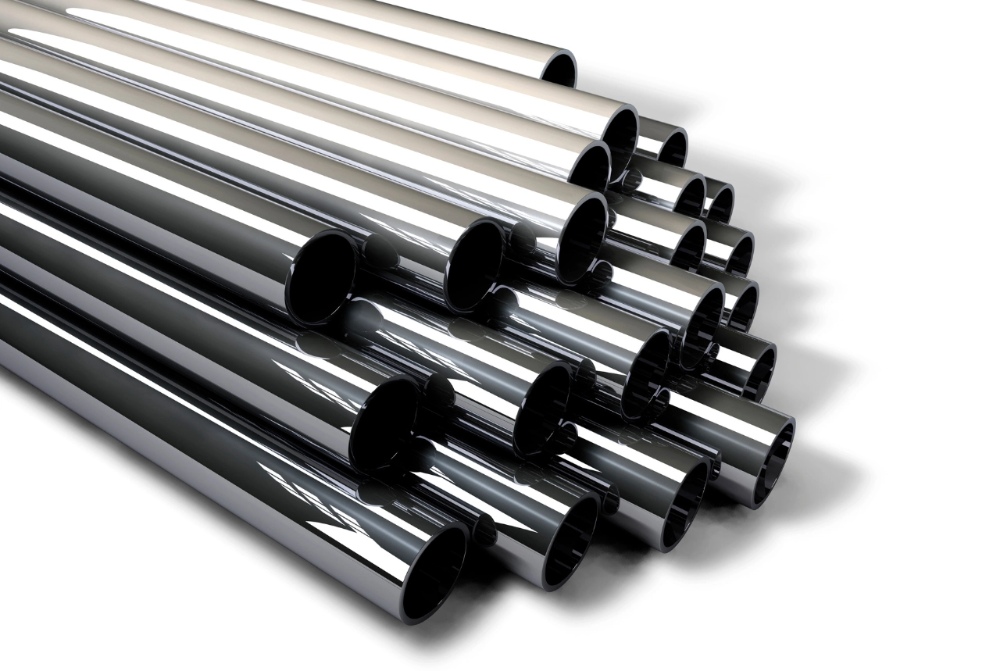
Aluminum’s built-in oxide coat offers self-repairing rust protection, which is especially good in damp or sea air, where bare steel would rust quickly. After-cutting anodization strengthens this shield more while keeping a nice look—a feature used a lot in window edges or shelf profiles.
Steel parts often call for zinc coating or paint layers after cutting to block rust buildup. This raises expense and steps compared to the straight protection seen in anodized aluminum pipes.
Selecting Between Aluminum and Steel for CNC Applications
Evaluating Application Requirements and Performance Criteria
Picking aluminum pipe over steel or the reverse hinges on work needs like load force, surroundings, ease of cutting, hopes, and budget limits. The weight-to-strength balance often decides: lively setups gain from lighter picks, while fixed-pressure holders count on heavier types for safe buffers.
We have 33 years of experience in the industry, producing extruded profiles covering diameters from 10 mm to 300 mm. Compliance with GB/T 5237-2008 standards ensures consistent performance across industrial categories from automation lines to architectural façades.
Balancing Cost, Machinability, and Longevity
Aluminum allows quicker cutting paces with less tool damage—great for fast models or small batch makes—but might need added supports for big, straight loads. Steel takes more cutting power yet gives better lasting power under repeated stresses seen in spinning rods or pressure pipes.
Our integrated service platform combines extrusion manufacturing with post-processing capabilities, including anodizing lines and powder coating facilities, enabling full-cycle delivery within 15–30 days, depending on customization level—a key advantage when balancing cost against production lead times. Before concluding any technical comparison between these two metals, it is worth introducing who we are behind these engineering solutions:
XiHui Aluminium has specialized since 1993 in high-precision extrusion manufacturing, covering an area exceeding 10 000 square meters and equipped with fifteen automatic extrusion lines plus forty CNC deep-processing units capable of producing up to 20 000 tons annually. We provide one-stop OEM & ODM services from concept design through surface finishing, supported by anodizing lines, ensuring corrosion resistance that surpasses global standards such as QUALICOAT and ISO certifications. Our R&D team continuously develops patented products optimizing strength-to-weight ratios across multiple industries, including construction frameworks, furniture systems, automotive brackets, electronic housing, and custom aluminum pipes designed precisely for industrial environments demanding both lightness and rigidity.
Clients seeking consultation on material selection for upcoming projects can contact us through our online channels to discuss customized extrusion geometries or CNC finishing strategies tailored to their specific engineering requirements. Feel free to contact us!
FAQ
Q1: Is an aluminum pipe stronger than a steel pipe?
A1: In absolute tensile terms, no—steel surpasses most aluminum alloys—but when considering weight-adjusted performance (strength-to-mass ratio), high-grade tempered aluminum often provides superior efficiency, particularly where mobility matters, such as aerospace frames or robotic arms.
Q2: How does CNC machining affect the strength of an aluminum component?
A2: Properly managed CNC parameters minimize thermal distortion; using controlled feed rates with adequate cooling preserves grain structure, ensuring machined sections retain their designed yield limits without weakening edges or threads.
Q3: What treatments improve the durability of machined aluminum pipes?
A3: Anodizing remains the most effective post-machining treatment, enhancing corrosion resistance while sealing micro-pores formed during cutting; powder coating may also be applied when additional abrasion protection is required, especially for outdoor installations exposed to saltwater climates.