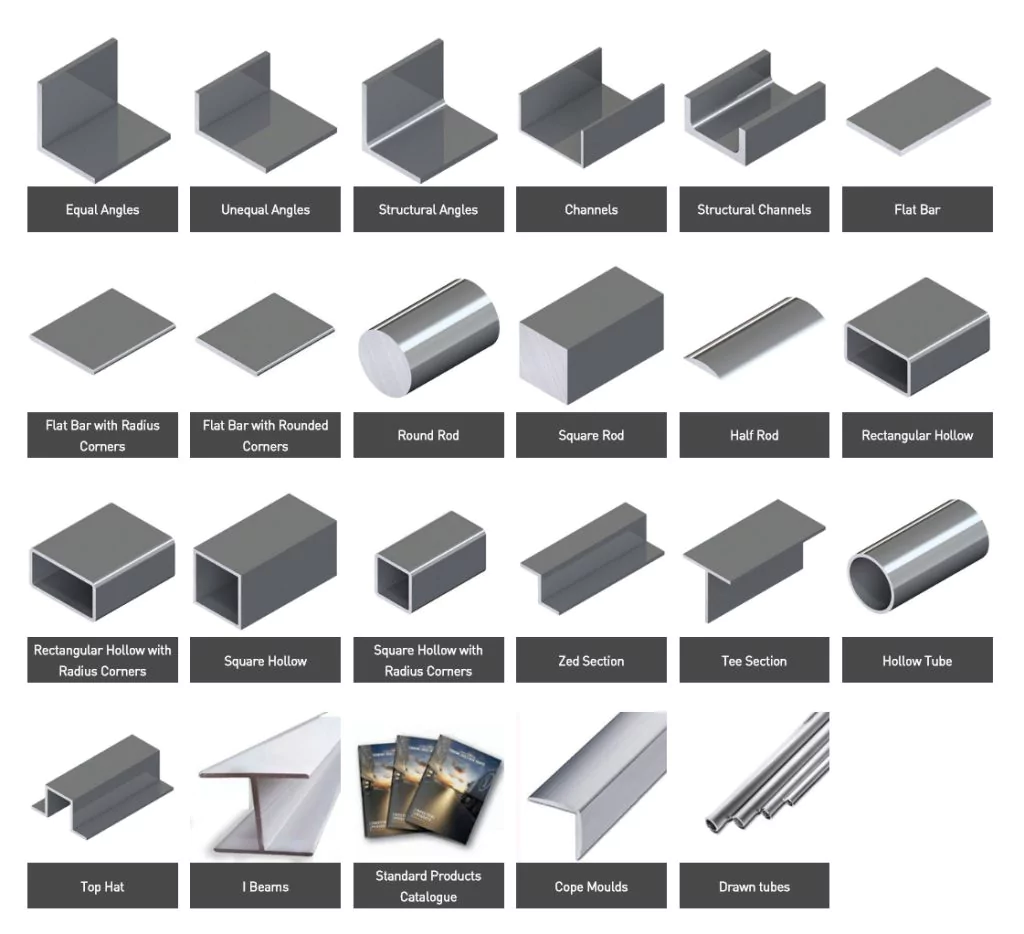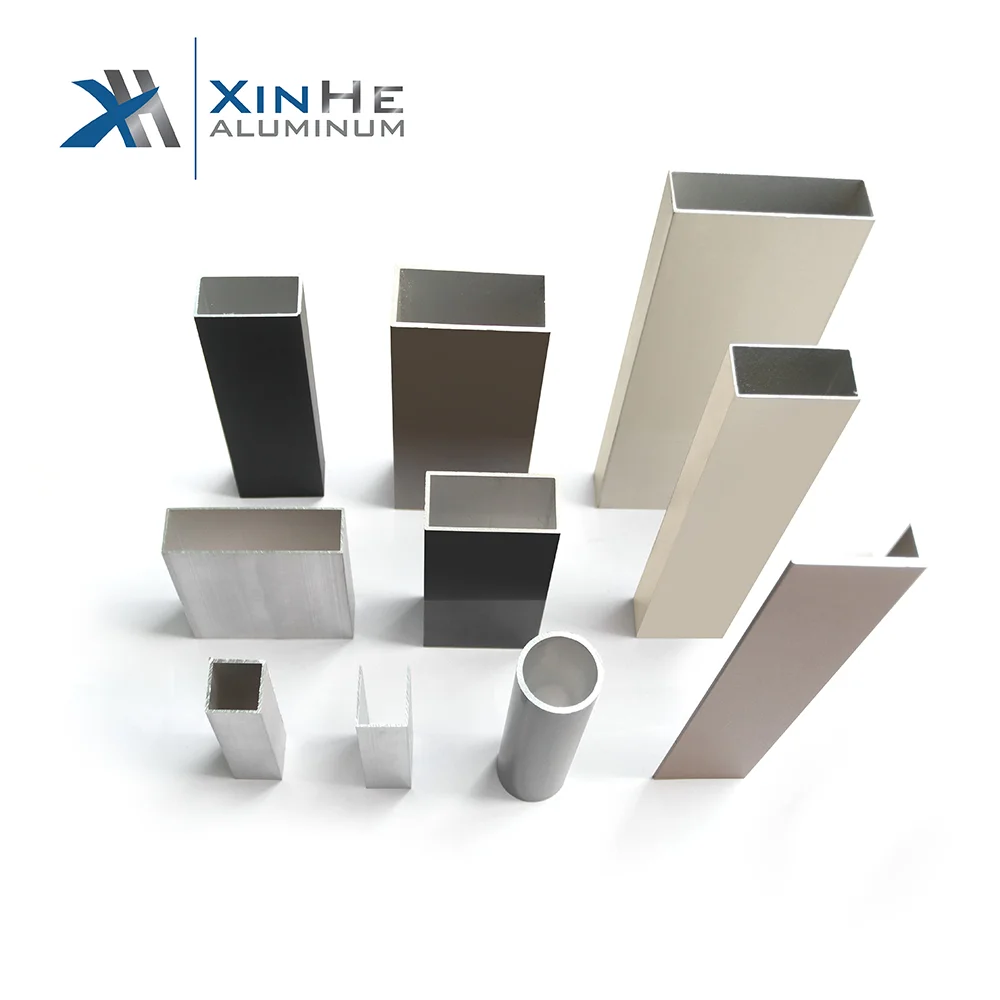

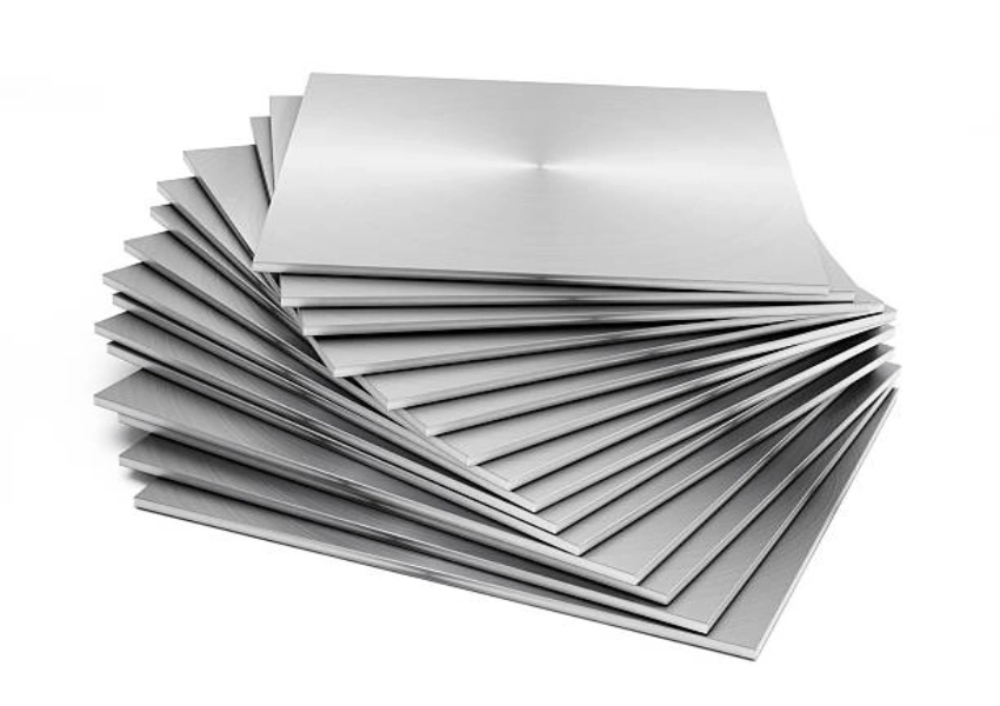
Heat capacity indicates the amount of thermal energy needed to raise a material’s temperature by one degree. In aluminum alloys, this trait matters greatly in handling heat well during making and use. The specific heat of aluminum influences the thermal stability of items like extruded profiles, window frames, or structural parts in precise settings. For instance, aluminum industrial profile and industrial aluminum extrusions and industrial aluminum alloy profiles are alloy materials with aluminum as the main component. Aluminum rods are melted and extruded to obtain aluminum materials with different cross-sectional shapes. However, the mechanical properties and application fields of the industrial aluminum profiles produced are different depending on the proportion of alloys added.” Thus, when picking an aluminum grade for heat-sensitive uses, engineers need to weigh not just mechanical strength but also its aluminum heat capacity to ensure lasting performance.
Fundamentals of Aluminum Heat Capacity
The Relationship Between Specific Heat and Temperature Behavior
The specific heat of aluminum controls how fast it takes in or lets out energy amid temperature shifts. A greater specific heat of aluminum enables slow thermal changes, which lessens strain on parts facing repeated heating. On the other hand, smaller specific heat of aluminum figures lead to quicker temperature shifts, yet they might heighten deformation chances under thermal pressure. This mix of elements decides the alloy’s fit for various settings, like aerospace structures or building fronts, where managing temperature proves essential.
Factors Influencing the Specific Heat of Aluminum
Alloy Composition and Microstructure Effects
Elements added to the mix greatly change the specific heat of aluminum. Additives such as silicon boost flow but cut down aluminum heat capacity, whereas magnesium and copper raise strength while harming thermal evenness. Common profile series: 3030, 4040, 4545, 5050. Common aluminum alloys: 6060, 6061, 6063. These types reveal how makeup and temper affect both mechanical and thermal features. Fine-tuning the microstructure via precipitation hardening also shifts energy uptake patterns in the metal base, so designers can adjust materials for tasks needing exact temperature control.
Processing Conditions and Thermal Treatments
Thermal processes like solutionizing or artificial aging adjust phase spread in aluminum alloys, which directly affects their aluminum heat capacity. Cold working boosts dislocation density and mildly lowers thermal diffusivity, but annealing brings back evenness by spreading out inner stresses. Careful processing guarantees steady behavior, a vital point for extrusion items like custom 6000 series customized aluminum profiles, since they depend on reliable energy reactions during shaping and use.
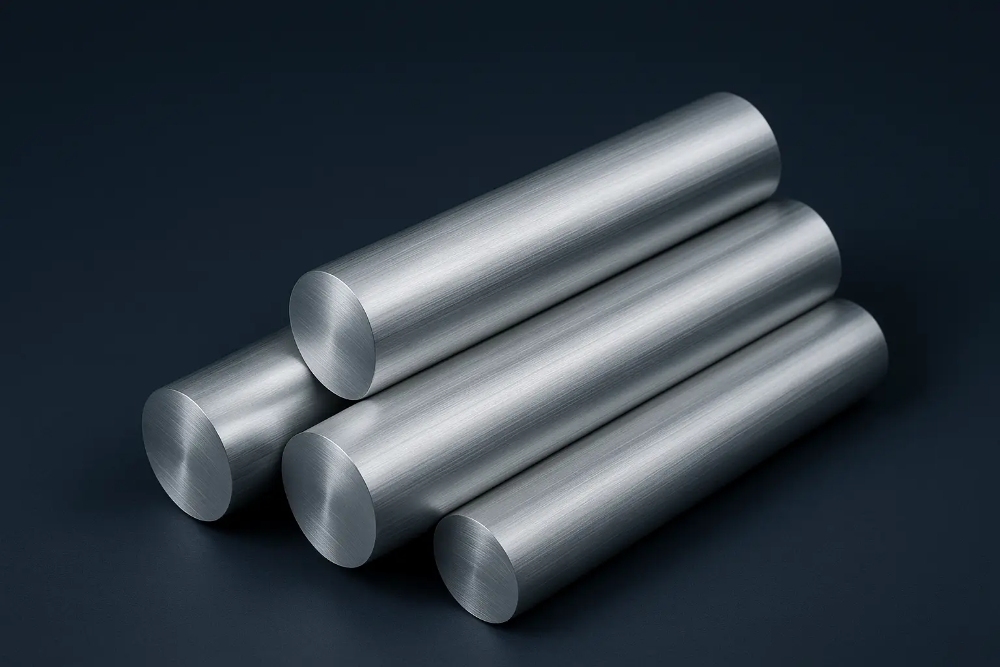
Comparing Heat Capacities Across Common Aluminum Grades
Thermal Characteristics of Pure Aluminum vs. Alloys
Pure aluminum shows a fairly high specific heat of aluminum, around 900 J/kg·K, unlike most alloys. Yet, this benefit pairs with weaker tensile strength and hardness. Alloyed types, especially in the 6xxx series, strike a good balance between mechanical soundness and workable thermal traits. Engineers have to assess this exchange wisely when planning parts like extrusion frames or CNC-milled structures that face ongoing heating cycles.
Analysis of Popular Aluminum Grades by Application Type
1xxx Series (Commercially Pure Aluminum)
This group provides strong thermal conductivity and high specific heat levels, perfect for electrical bus bars or radiator fins needing quick energy movement.
6xxx Series (Al-Mg-Si Alloys)
The 6xxx group blends fair specific heat with solid formability, fitting well for building extrusions such as Custom Extruded Aluminium Profile. These alloys maintain size stability despite changing surrounding temperatures.
7xxx Series (Al-Zn Alloys)
Even though they have smaller specific heat numbers, these alloys offer top strength-to-weight ratios for aerospace frames, where mechanical output matters more than thermal storage ability.
Implications of Heat Capacity in Aluminum Profile Design
Managing Thermal Loads in Structural Applications
In structural setups open to shifting weather or work-related heating, like conveyor frames or machine covers, handling expansion counts as key. Choosing alloys with steady specific heat of aluminum cuts down twisting during running. XIhui Aluminium Company delivers precision-customized CNC-machined aluminum profiles engineered for performance-critical industries. This accuracy makes sure that extrusions hold size limits even through multiple heating and cooling rounds.
Influence on Machining, Forming, and Finishing Processes
Specific heat of aluminum also shapes machining speed: larger values demand more energy release via cutting fluids and reduced tool rates to avoid excess heat. In anodizing or powder coating, even temperature spread assures uniform oxide layer buildup on surfaces, a sign of quality in goods like Extruded Aluminum Alloy Profile. Keeping firm thermal patterns throughout processing boosts both surface quality and rust resistance.
Guidelines for Selecting the Appropriate Aluminum Grade Based on Aluminum Heat Capacity
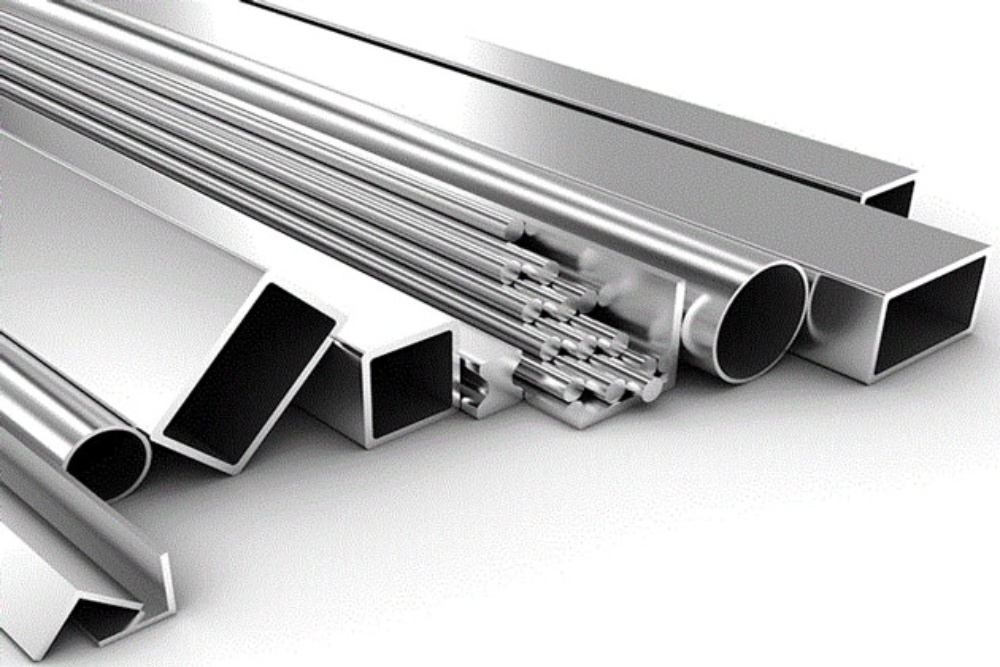
Balancing Mechanical Performance with Thermal Efficiency
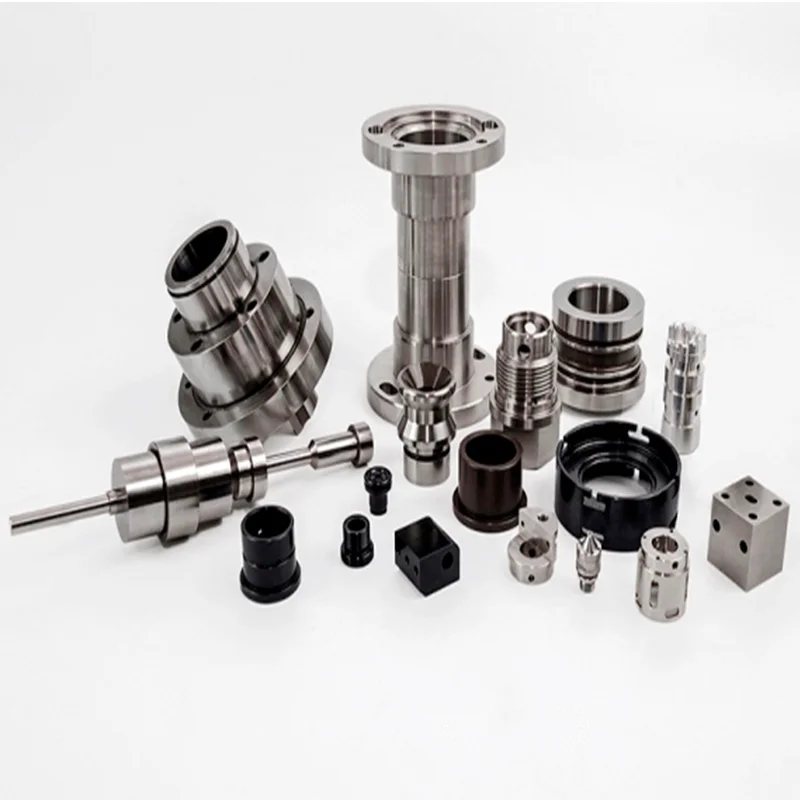
To pick the best grade, designers should check both weight-bearing needs and likely temperature spans. For example, parts in automated machines might call for fair specific heat of aluminum along with firm structure, traits typical of 6000-series alloys in Customized Metal Aluminum Turning Parts. At the same time, light covers gain from a higher aluminum heat capacity that spreads energy smoothly without bending.
Integrating Thermal Data into Design Simulations and Material Databases
Exact modeling with proven material details ensures sound forecasts of performance in actual settings. When building industrial setups or building systems, engineers ought to blend verified specific heat info into simulation tools to sharpen alloy choice plans well.
Before wrapping up material suggestions, it’s vital to note our making skills at XiHui Aluminium. With 33 years of experience in extrusion methods, we focus on creating very thin but tough aluminum profiles made for many fields, from automation gear to building fixes. We have 15 sets of aluminum extrusion machines and 40 sets of deep processing machines, which can support you with various customized designs, and our annual output is more than 7200 tons per year. Our modern setups cover anodizing lines, powder coating setups, and CNC centers, so every item hits global standards like GB/T 5237-2008 high-precision standards. Via our full one-stop OEM & ODM service outlined on About Us, we offer whole answers, including design tweaks, surface work, packing, shipping, and post-sale tech aid, all matched to tight quality checks backed by ISO certification.
For experts looking for tech advice or project teamwork on alloy picks based on aluminum heat capacity facts or custom profile growth needs, please contact us via our main paths to talk about fitted answers built around your output goals.
FAQ
Q1: How does alloy composition influence the specific heat of aluminum?
A1: Alloying elements like magnesium or copper lower the total specific heat even as they boost strength; silicon alters flow traits but cuts energy uptake ability.
Q2: Why is the 6xxx series preferred for general construction profiles?
A2: The Al-Mg-Si setup gives even mechanical traits with fair specific heat levels that fight deformation amid temperature shifts usual in building tasks.
Q3: What role does surface treatment play in managing thermal behavior?
A3: Anodizing raises emissivity and steadies surface temperature flows; powder coating adds more guard against spot heating without hurting structural soundness.