
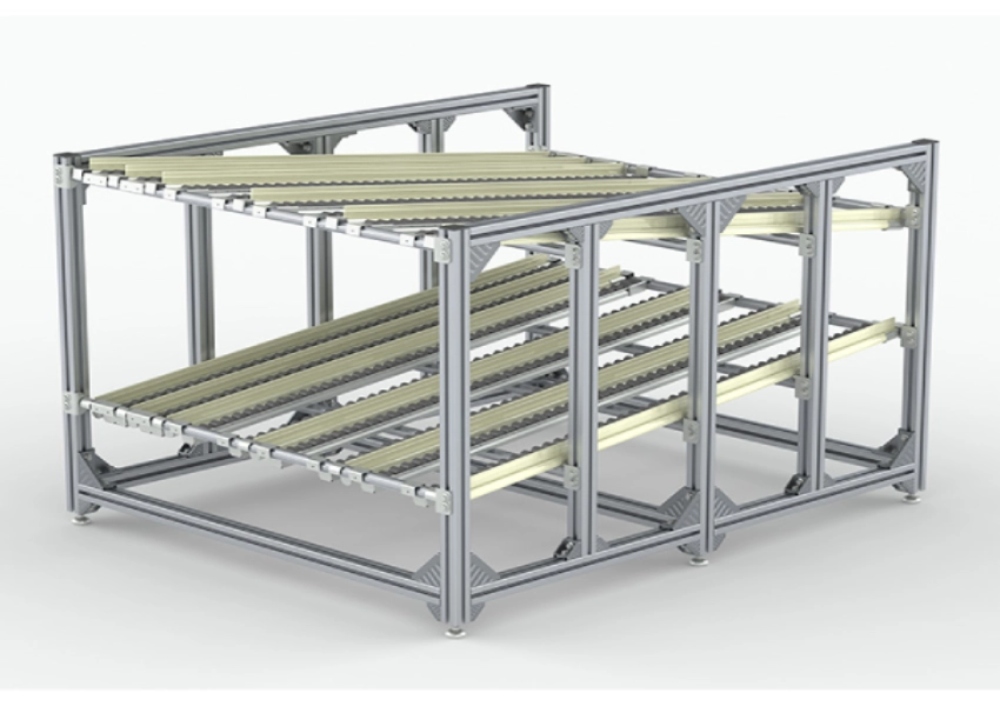
The mechanical stability found in aluminum frameworks rests largely on core attributes like tensile strength, yield strength, and dependable fatigue resistance. Together these features determine just how well the entire structure can handle repeated loading across many years without showing clear deformation or suffering sudden breaks. During our daily manufacturing work, we place strong trust in the proven 6000 series alloys, above all 6061 and 6063, since their particular makeup strikes a very practical balance between solid strength and enough ductility for everyday demands.
Mechanical Properties Influencing Framework Longevity
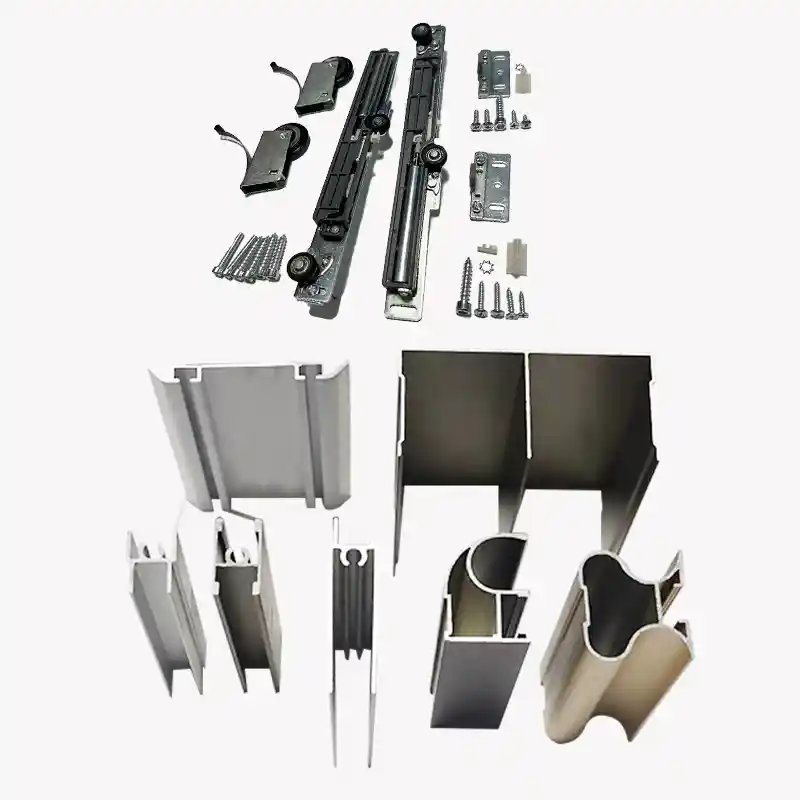
Aluminum Industrial Profile: Industrial aluminum extrusions and industrial aluminum alloy profiles are alloy materials with aluminum as the main component. Aluminum rods are melted and extruded to obtain aluminum materials with different cross-sectional shapes. However, the mechanical properties and application fields of the industrial aluminum profiles produced are different depending on the proportion of alloys added. On top of that, tempering steps such as T5 or T6 further lift mechanical endurance because they create more uniform microstructures, cutting down the risk of cracks starting and slowing any growth during long years of actual service.
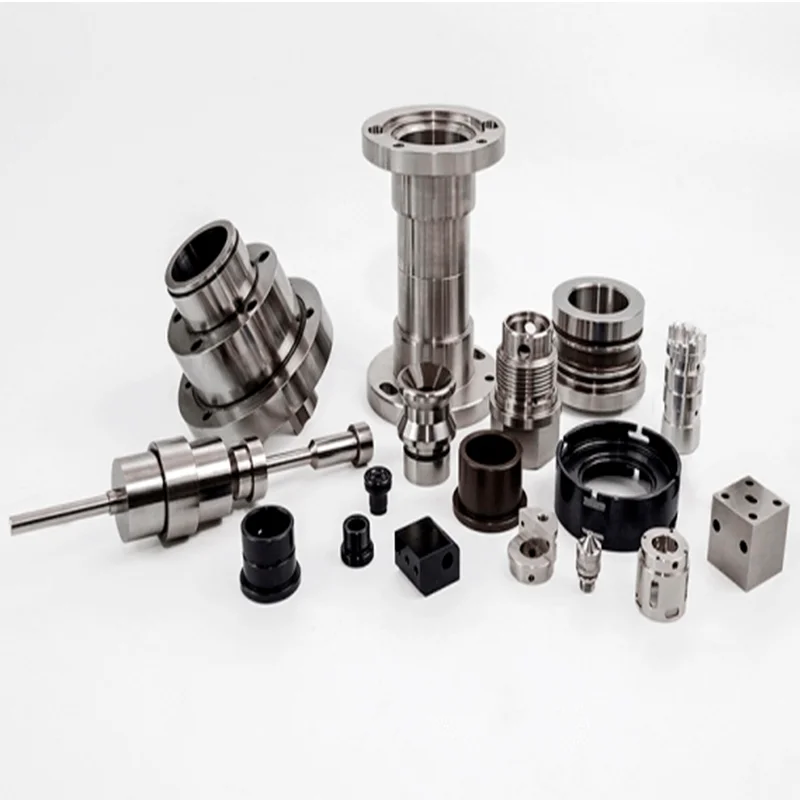
Our team draws on advanced CNC machining that consistently reaches tight ±0.01 mm tolerances. This level of precision delivers outstanding dimensional accuracy for every aluminum alloy part and brings improved fatigue resistance that works very well in demanding automation setups as well as many kinds of structural uses. Xihui Aluminium delivers precision-customized CNC-machined aluminum profiles engineered for performance-critical industries, combining advanced CNC machining (±0.01 mm tolerances), aerospace-grade alloys (6061 and 7075), and end-to-end services—from rapid prototyping to surface finishing.
Corrosion Resistance in Aluminum Frameworks
Corrosion resistance counts as one more important factor that decides how long aluminum frameworks can truly last once they are placed in real operating conditions. The oxide layer that grows naturally across aluminum surfaces works as a steady passive shield against different kinds of environmental wear. Still, this protection sometimes weakens if the material faces extreme humidity or high salinity for extended stretches of time. Aluminum profiles for industrial production lines are lightweight, aesthetically pleasing, and easy to assemble and disassemble. The surface undergoes anodizing treatment, making it corrosion-resistant and wear-resistant, and it has a wide range of applications.
To raise durability, especially where conditions turn tougher, we rely on established approaches such as anodizing and powder coating. These methods increase surface hardness while at the same time reinforcing resistance to corrosion. Our Custom Extruded Aluminum Profiles show this method working successfully by joining anodic protection with carefully fine-tuned alloy chemistry, which leads to excellent corrosion stability that holds up reliably across many different industrial settings.
Fatigue Behavior Under Cyclic Loading
Fatigue problems often begin when tiny microcracks appear at joints or weld locations that must cope with ongoing cyclic loads. By fine-tuning grain boundary orientation right during the extrusion process and by keeping stress concentrations under control through thoughtful geometric shaping, we extend the working lifespan of these aluminum frameworks quite noticeably. What is more, the CNC machining lines we run can turn out parts with very close tolerances that keep their structural strength intact even when they face repeated dynamic stresses day after day. Such performance makes them especially good for automated machines and active assembly lines where vibration never really stops.
Thermal Characteristics and Their Role in Durability
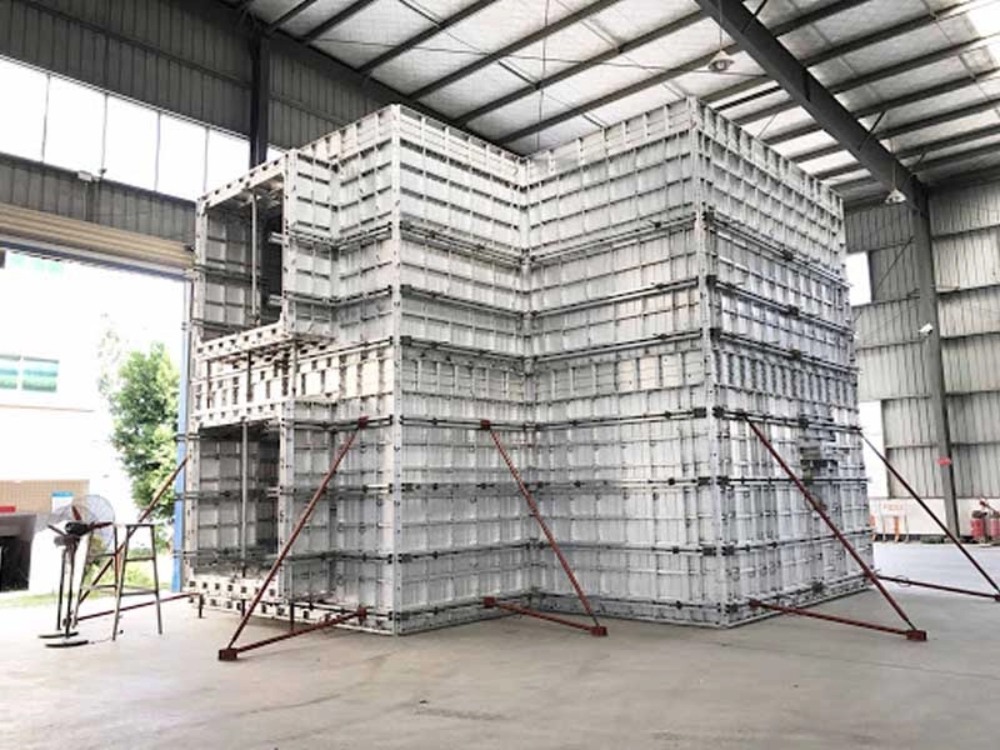
Influence of the Specific Heat of Aluminum on Structural Performance
Specific heat capacity of aluminum directly affects how successfully the material copes with temperature swings inside any built structure. Thanks to its fairly high specific heat, aluminum softens fast temperature changes and stops localized overheating that might otherwise create thermal fatigue or unwanted shape changes. Although elements like magnesium and silicon shift this property a little, they still allow smoother thermal management once the full framework design is planned with care.
Xihui Aluminium delivers precision-customized CNC-machined aluminum profiles engineered for performance-critical industries with superior corrosion resistance and thermal conductivity. This natural thermal conductivity helps move heat away efficiently in items such as heat sinks or industrial frames built from our extruded profiles.
Thermal Expansion and Its Effect on Dimensional Stability
Thermal expansion brings real difficulties when designers try to hold steady dimensional accuracy in bigger frameworks that meet changing temperatures. The coefficient of thermal expansion has a clear impact on how well joints hold together, particularly when different materials come together in hybrid builds. Through tightly managed alloy design, we ease these concerns by striking a better balance between strength and expansion rates, something achieved by exact control of composition in both the casting and extrusion stages. In addition, our Customized Metal Aluminum Turning Parts gives clients made-to-order answers that handle these shifts while preserving tight assembly tolerances over many years of service.
Metallurgical Factors Affecting Alloy Lifespan
Role of Alloying Elements in Enhancing Durability
Additives such as magnesium (Mg), silicon (Si), and zinc (Zn) play meaningful roles in lifting both mechanical strength and corrosion performance within the aluminum alloys picked for frameworks. Precipitation hardening raises yield strength, although it can reduce ductility unless the whole process stays under close watch. For this reason our production lines use automated temperature controls across every heat treatment cycle to keep the right balance between hardness and flexibility.
Common profile series: 3030, 4040, 4545, 5050. Common aluminum alloys: 6060, 6061, 6063. These alloys fit especially well for extrusion-based frameworks that call for lightweight builds paired with strong stiffness-to-weight performance.
Microstructural Evolution During Service Life
When used for long periods in warmer conditions, grain coarsening may slowly weaken mechanical qualities by lowering dislocation density. We push back against this outcome by carrying out carefully controlled aging steps after extrusion. Our Custom Aluminum Profiles pass through detailed multi-stage quality checks that confirm good microstructural uniformity before they leave the factory, protecting creep resistance even under constant operational loads.
Environmental and Operational Influences on Aluminum Alloy Longevity
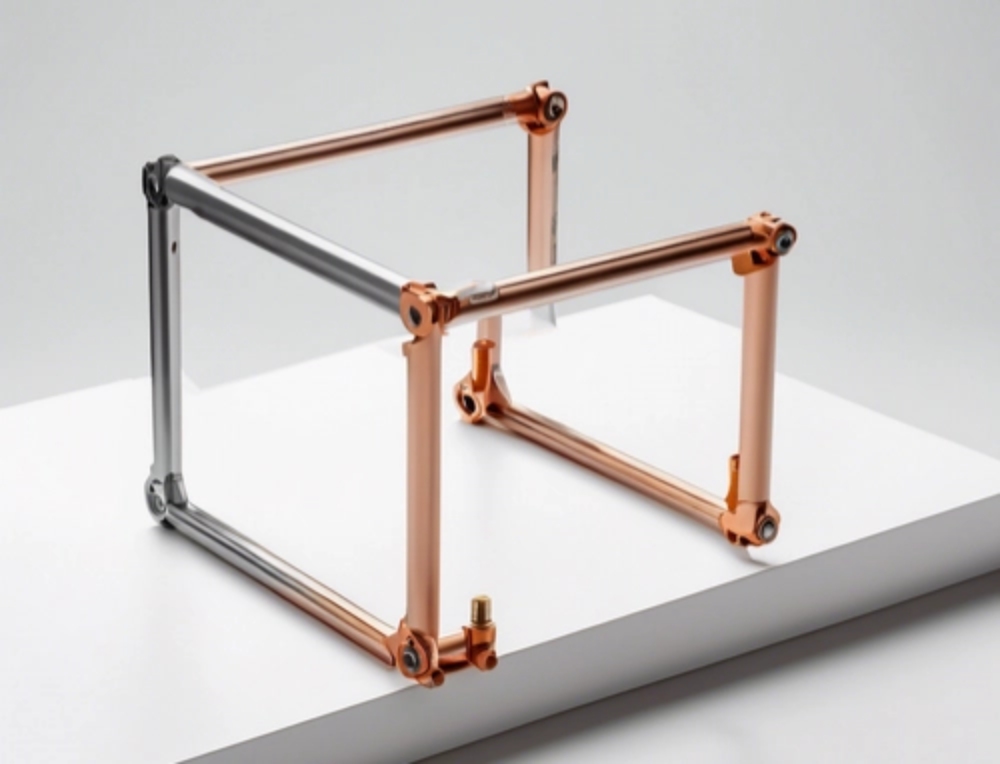
Impact of Atmospheric Conditions on Degradation Rates
Pollutants in the air frequently speed up pitting corrosion because they react chemically with the protective oxide layers, while marine areas bring chloride ions that make localized attacks stronger. To deal with these issues, we pick suitable protective coatings according to the exact environmental profile of each project, usually choosing anodizing for ordinary inland locations and powder coating when work happens near coasts or inside heavy industrial zones.
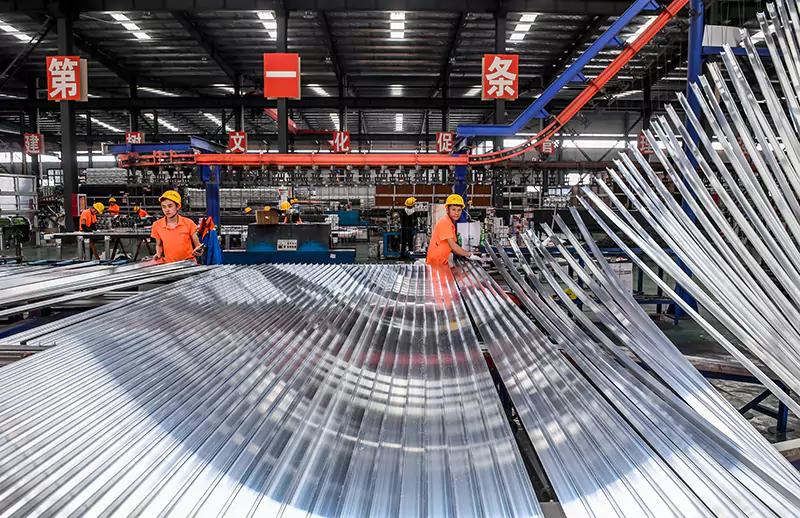
We have 33 years of experience in the industry. Xihui Aluminium has 15 extrusion production lines, 2 anodizing production lines, 2 powder coating production lines, and 40 CNC deep processing production lines. This strong setup lets us adjust surface treatments with accuracy so they match each client’s particular environmental requirements.
Load Spectrum and Service Environment Considerations
How loads are applied during actual operation, whether mostly steady or highly dynamic, greatly affects the fatigue life one can expect from aluminum frameworks. Vibrations at high frequency shorten service time unless engineers use optimization tools such as finite element analysis (FEA). On top of this, the temperature range where the framework operates sets safe stress limits, which is why maintenance timing follows predictions based on real empirical test data.
Our OEM Aluminum Alloy Part Profiles helps engineers put together high-performance systems where cyclic loads need outstanding consistency in every single machined piece.
About XiHui Aluminium
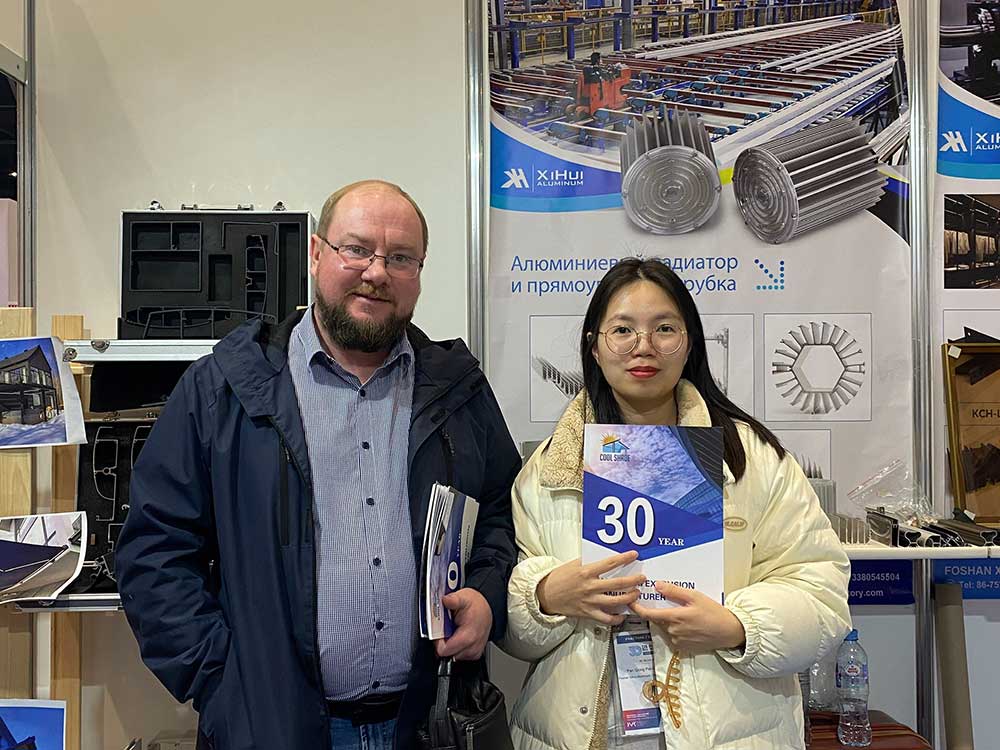
After 33 years focused on aluminum extrusion progress, we run fifteen extrusion lines backed by two anodizing units, two powder coating lines, and forty CNC deep-processing centers inside our 10,000 m² facility in Foshan’s Nanhai District. Covering an area of about 10,000 square meters, with more than 100 employees and 15 automatic extrusion machines. Our know-how stretches from architectural frameworks all the way to precision industrial parts made with aerospace-grade alloys like 6061 and 7075, with everything carried out under ISO 9001-certified standards. Steady spending on research and development, plus our library of more than 10 000 existing molds, lets us offer custom answers that bring together real mechanical toughness and attractive appearance for customers in over 120 countries worldwide.
For partnership inquiries regarding custom extrusions or CNC machining projects created for tough structural applications that use materials with high specific heat capacity like aluminum alloy frameworks, please get in touch through the official channels shown on our company website.
FAQ
Q1: How long does an aluminum alloy framework typically last?
A1: When designed well with quality alloys such as 6061-T6 and protected properly by anodizing or powder coating, an aluminum framework can stay in good working order for several decades and often longer inside properly managed surroundings, mainly thanks to its natural corrosion resistance and stable internal structure.
Q2: What factors most influence the fatigue life of an aluminum framework?
A2: Intensity of repeated cyclic loading, grain boundary alignment reached during extrusion, environmental factors around the site such as humidity or salt levels, and how often maintenance takes place all combine to set the expected fatigue life.
Q3: How does specific heat contribute to structural durability?
A3: The naturally high specific heat capacity of aluminum helps calm down temperature swings inside the framework, cutting thermal gradients that might otherwise start thermal fatigue or create problems with dimensional stability during extended periods of use.