
CNC machining permits the exact construction of aluminum pieces fitted to particular needs, a vital aspect for sectors that insist on size correctness and reliable function, including aerospace, electronics, and automotive fields. As uses become more detailed over time, the requirement for elaborate inner forms, narrow allowances, and steady material quality renders CNC machining utterly necessary in those scenarios.
Streamlined model-making and small-quantity output hold importance in hastening product release timelines. CNC machining aids this effort by removing the burden of broad tooling needs and permitting swift design revisions, all while preserving the soundness of individual components.
What Market Forces Are Driving Demand for Customized Aluminum Pipes?
The change to lighter, rust-proof substances in numerous areas stands as a main driver for the rising call for aluminum pipes. Aluminum’s solid power relative to its weight, combined with its ease of reuse, positions it as a favored option in building projects, movement systems, and power industries.
Personalization via CNC machining lets manufacturers fine-tune pipe outlines for practical use and visual charm. Such personalization proves quite pertinent in scenarios like LED heat sinks, medical casings, and vehicle frame components, where heat handling and outward style both play significant roles.
Overview of Aluminum Pipe Manufacturing Processes
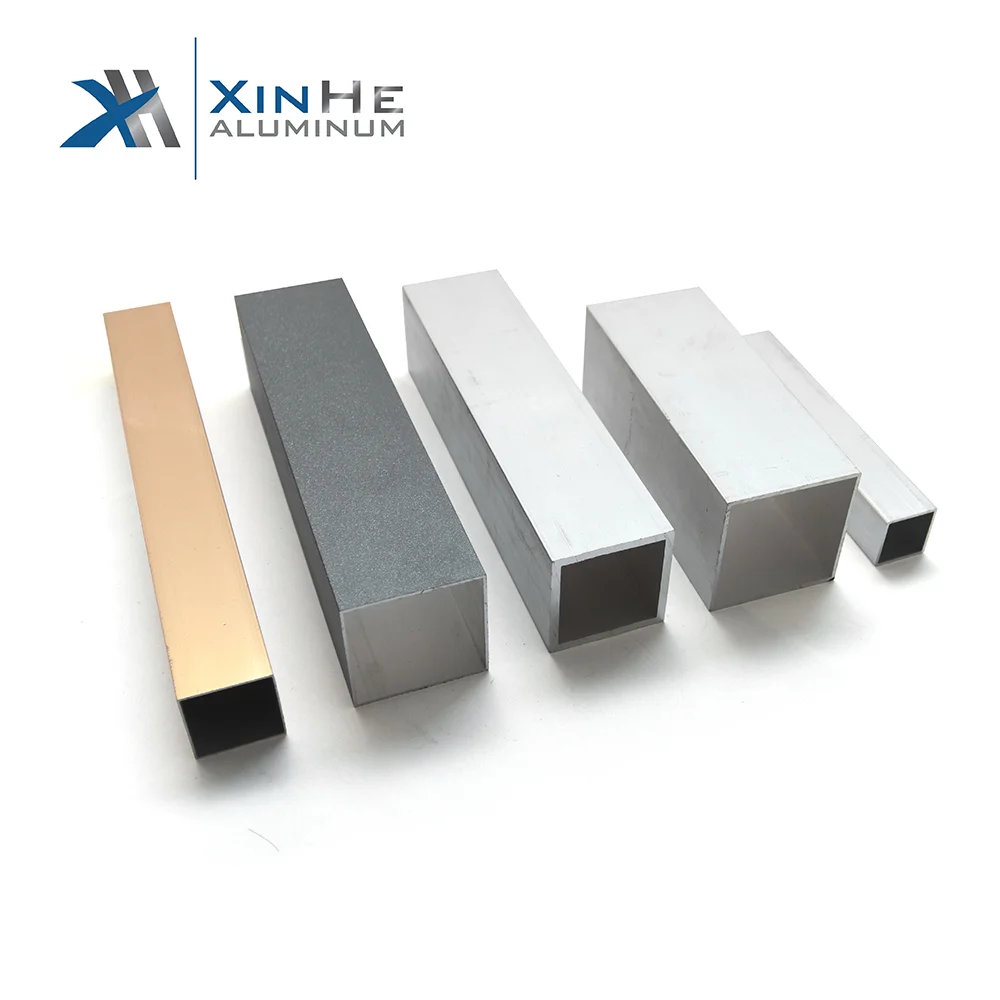
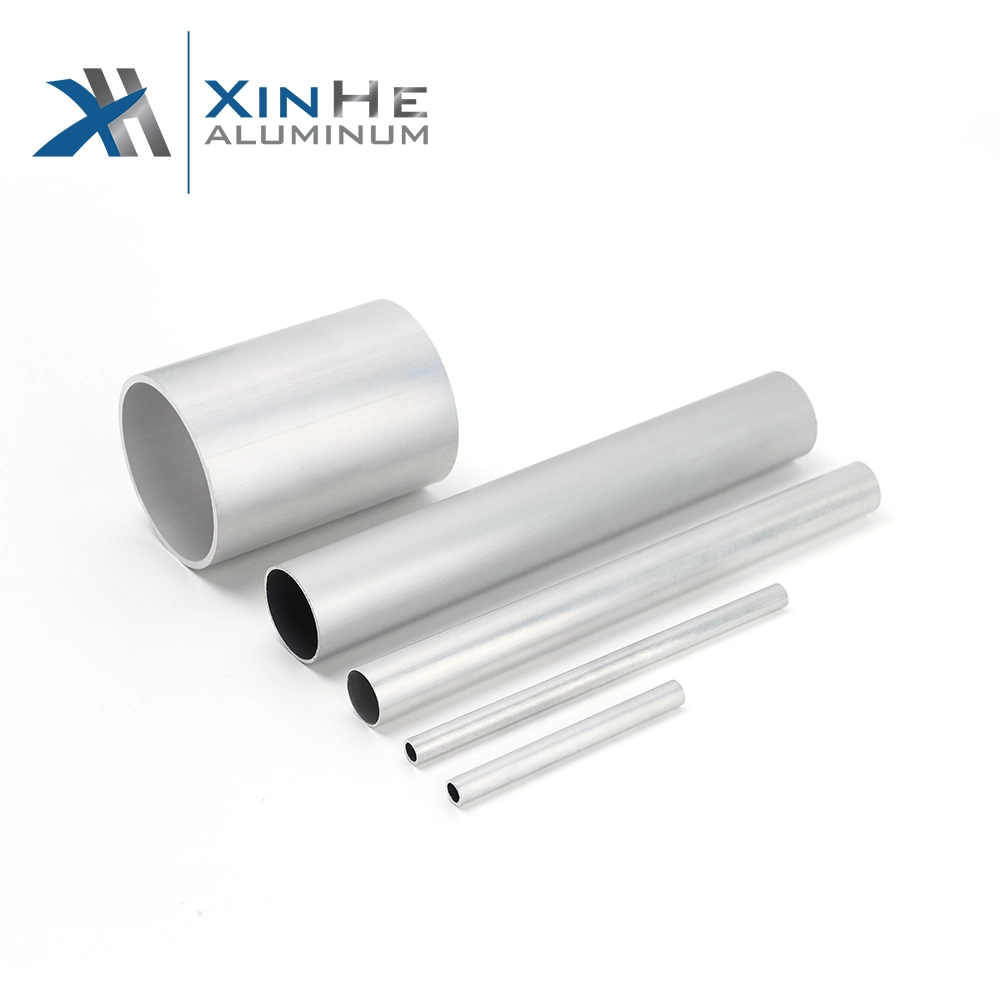
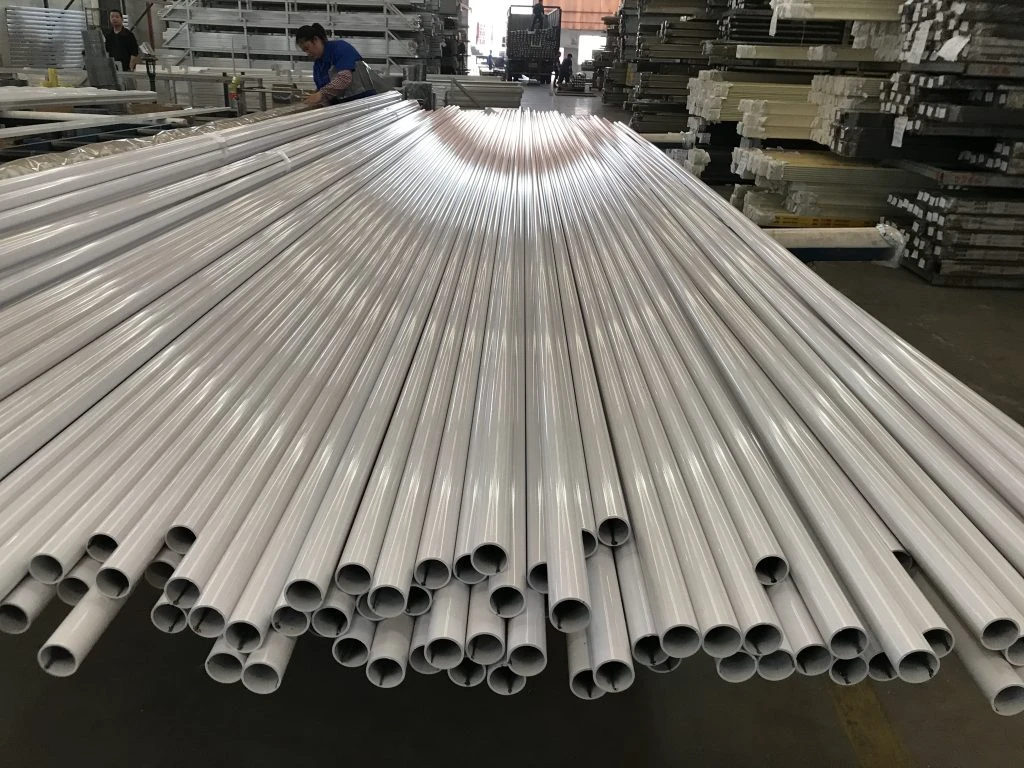
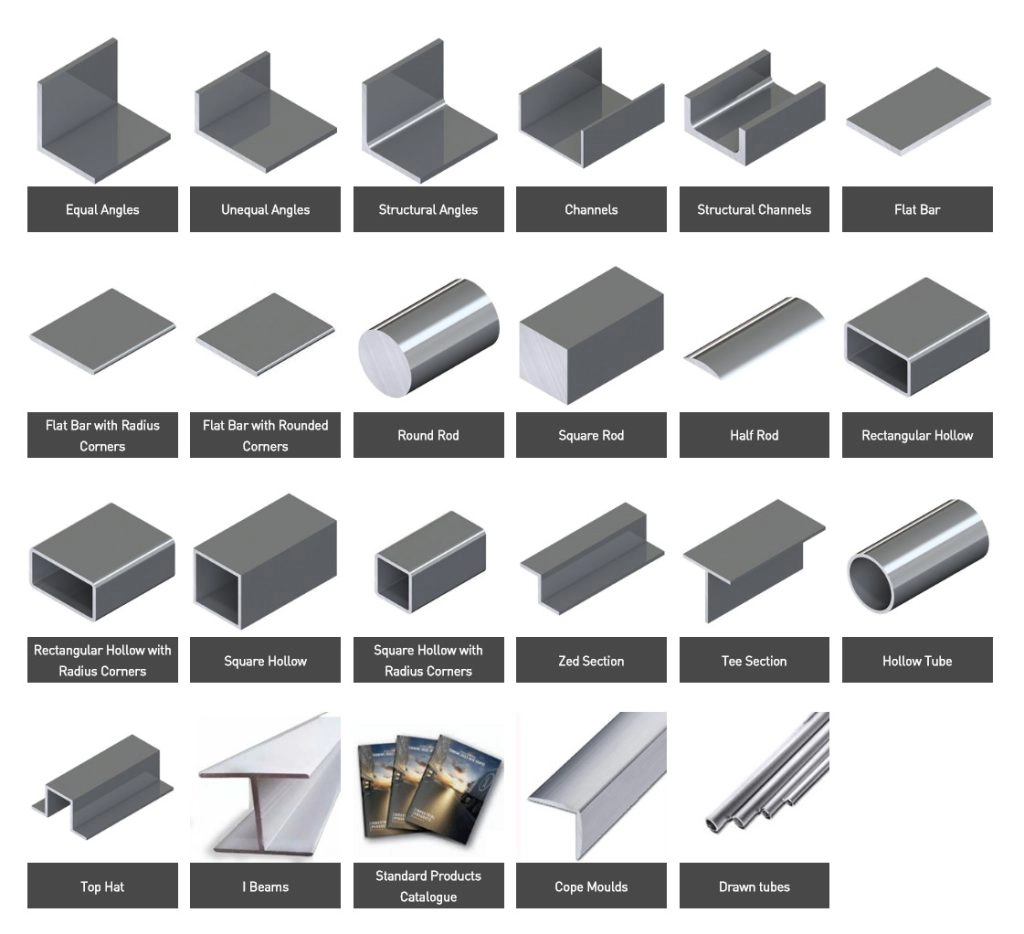
Extrusion entails warming aluminum blocks and pressing them via a die to form unbroken pipe outlines. This stands as a budget-friendly way to generate extended, even segments at quick paces. Aluminum Industrial Profile, Industrial aluminum extrusions and industrial aluminum alloy profiles; industrial aluminum profiles are aluminum-based alloy materials, produced by heating and extruding aluminum billets to obtain aluminum materials with various cross-sectional shapes.
What Is the Role of the Drawing Process?
Cold drawing additionally polishes extruded pipes, enhancing size exactness and physical durability. Manufacturers frequently apply this technique whenever strict allowances or better outer textures become necessary.
Where Does CNC Machining Fit In?
CNC machining converts aluminum raw materials into deeply personalized items through actions such as milling, turning, drilling, or slicing. It suits small-scale operations or components needing ±0.01mm allowances and involves 5-axis operations. This technique gains favor in function-vital domains like aerospace and medical equipment.
When Is Casting Appropriate?
Casting requires flowing melted aluminum into forms to attain defined contours. It performs well for sizable, heavy-walled elements, though it generally demands after-treatment to satisfy accuracy levels or texture standards.
Cost Factors Across Manufacturing Methods
Extrusion and drawing typically employ 6000-series alloys such as 6061 or 6063, which strike a fair trade-off between expense and capability. CNC machining might draw on superior alloys like 7075 for durability-focused tasks, thereby elevating material outlays in proportion.
How Do Tooling Costs Vary by Method?
- Extrusion: Calls for bespoke dies carrying steep initial expenses. Nevertheless, these spread across extensive output cycles.
- CNC Machining: Features slight preparation; speedy adjustments facilitate economical personalization.
- Casting: Forms prove costly yet reasonable upon expanding past thousands of pieces.
What About Labor and Machine Time?
Extrusion & Drawing: Runs with strong automation, yielding modest labor fees per unit. CNC Machining: Requires trained handlers; equipment duration expands alongside outline intricacy. Casting: Involves heavy manual form setup, which bolsters the full expense framework.
Cost Comparison by Production Volume
CNC machining emerges as the prime choice owing to its modest preparation expense and capacity to yield models or limited groups without tooling commitments. This approach ensures affordability and adaptability in early production stages, where flexibility often trumps scale.
When Does Extrusion Become More Viable (500–5,000 Units)?
As quantities rise, extrusion die expenses distribute broadly, rendering extrusion more appealing—particularly for routine or modestly altered outlines. In this range, the initial outlay begins to balance against growing efficiencies, making it a practical shift for many operations.
What About High Volumes (5,000+ Units)?
Extrusion and casting approaches prevail in such settings. Their substantial starting funds produce the smallest unit expenses upon distribution over vast groups. Consequently, for sustained large-scale needs, these methods deliver clear economic benefits through optimized resource use.
Influence of Design Complexity on Cost Efficiency
- Extrusion: Restricts to uniform cross-sections; elaborate forms necessitate follow-up machining.
- CNC Machining: Outperforms in crafting detailed aspects like threads or varied-axis curves straight from CAD documents.
- Casting: Manages uneven forms capably but frequently misses the exactness of processed items without additional procedures.
Surface Finishing and Its Cost Implications
Anodizing: Boosts rust protection; outlay shifts with layer depth and shade. Powder Coating: Provides a lasting outer layer; cost varies by coverage and hue intricacy. Sandblasting & Polishing: Elevates visual qualities yet incorporates demanding manual phases. Surface treatment options include anodized, powder-coated, sand blasted, polished, mill finish, etc.
Application-Based Cost Considerations
This area insists on utmost exactness and trackable origins. CNC machining supplies ±0.01 mm allowances via aerospace-level substances like 7075—validating elevated outlays via improved operation. Such reliability underpins its essential role in high-stakes environments where failure carries immense consequences.
What Does the Automotive Industry Prefer?
Vehicle uses commonly lean toward extrusion, given the push for growth potential and building solidity. Extra machining might occur where firmer guidelines apply. This combination allows for both volume handling and refined details, aligning with the sector’s diverse production demands.
What Are the Needs in Electronics & Heat Management?
Electronics frequently demand bespoke cooling fixes like aluminum extrusion heat sinks. CNC machining empowers manufacturers to embed fins, fixture spots, or air routes unattainable solely through extrusion. Enabling these integrations, it enhances overall system performance and thermal control in compact, power-intensive devices.
XiHui Aluminium: Turning Design into Reality with Advanced CNC Technology
For manufacturers pursuing sophisticated CNC aluminum aid from idea to fulfillment, XiHui Aluminium presents a full package. Backed by more than 30 years in aluminum extrusion and thorough refinement, XiHui Aluminium supplies bespoke outlines that fulfill rigorous benchmarks across varied fields encompassing medical, automotive, electronics, LED lighting, and factory mechanization. Their proven track record ensures seamless adaptation to client-specific challenges, fostering innovation in competitive landscapes.
Their facility contains 40+ CNC devices encompassing 5-axis hubs, backing tasks like drilling, milling, turning, engraving, laser cutting, tapping, and bending. This array permits 98% fulfillment of refinement demands—from initial models to group outputs. With such versatile tooling, they streamline workflows, reduce downtime, and maintain high standards of quality throughout diverse project scopes.
They welcome sketches in PDF/STEP/DWG/DXF styles or tangible examples, and back tailored outer refinements like anodizing and powder coating. Whether concerning a Custom Industrial 5 Axis CNC Milling Turning or a custom heat sink for potent LEDs, their specialists guarantee a perfect transition from notion to complete item. This meticulous process not only meets but often exceeds expectations, building trust and repeat business among global partners.
Key Considerations When Choosing a Manufacturing Method for Aluminum Pipes
Should projections indicate merely a handful of hundreds of units, CNC machining sidesteps tooling outlays and permits prompt shipment. Regarding expansive directives surpassing 5,000 units, extrusion or casting substantially diminishes unit expenses. Proper matching of scale to technique thus safeguards against unnecessary spending while maximizing output efficiency in real-world applications.
Can You Balance Design Complexity With Budget Constraints?
Deeply tailored outlines featuring shifting wall depths or embedded passages may solely work through CNC machining—even if unit expense climbs—thanks to lessened reliance on extra steps. This equilibrium permits creative freedom within fiscal limits, allowing firms to pursue advanced designs without compromising viability or market positioning.
What If Time-to-Market Is Critical?
Model pace holds weight. CNC machining fosters quicker loops with brief delays. XiHui Aluminium manages fresh form creation in merely 7 days, granting enterprises a lead in outline checking or item rollout stages. In urgent contexts, this agility translates to competitive advantages, quicker revenue streams, and stronger footholds against rivals.
FAQ
Q1: What’s the most cost-effective method for producing small batches of complex aluminum pipes?
A1: For small batches requiring intricate features or tight tolerances, CNC machining is typically the most cost-effective due to its minimal setup requirements and design flexibility.
Q2: How does surface treatment affect the total cost of an aluminum pipe?
A2: Surface treatments like anodizing or powder coating can add 10–30% to the total part cost, depending on specifications such as thickness, color complexity, or finish type.
Q3: Can XiHui Aluminium assist with both design optimization and rapid prototyping?
A3: Yes. XiHui Aluminium provides free drawing support services along with fast mold creation within 7 days—ideal for rapid prototyping cycles requiring design validation before mass production.