

In the world of industrial automation, sensors play a key role. They handle monitoring, control, and data gathering. These gadgets need solid and exact mounting. That way, they work without fail. Custom mounting brackets help a lot here. Off-the-shelf options often don’t cut it. They fall short when shapes are odd or conditions are tough.
Precision and toughness matter big time. Brackets support sensors mechanically. They also keep things straight under pressure, shakes, and all sorts of weather hits. That’s why precision CNC machining is a must.
Today’s factories lean hard on CNC precision machining. It makes parts to strict specs. From test runs to big batches, it delivers steady quality and work ethic in every piece.
Key Requirements for Mounting Brackets in Industrial Sensor Systems
Mounting brackets for sensor setups have to hit several must-haves. They need to work well, no doubt.
Structural and Mechanical Demands
Brackets face heavy pulls. They hold up the sensor’s weight. Plus, they fight off shakes or bangs from machines. Strong build keeps sensor data spot-on over years. Without it, readings go wonky fast.
Environmental Resistance and Material Selection
Factory spots can get rough. Think high dampness, wild temps, or chemical baths. So, pick materials that shrug off rust, heat swings, and wear. Aluminum mixes like 6061 and 6063 shine here. They pack big strength for little weight. And they fight rust well, especially with extra coatings.
Integration with Sensor Systems and Equipment
Custom brackets fit right in. They link the sensor to the main gear smoothly. Things like slots, holes, and guide tabs demand spot-on sizes. Precision CNC machining nails this. Nothing else does.
The Role of Precision CNC Machining in Custom Bracket Production
Precision CNC machining sits at the heart. It crafts custom brackets to factory-grade levels.
What Defines Precision CNC Machining
It uses computer-guided tools. These carve away stock from a blank with top-notch exactness. Machines track CAD drawings to tiny specs. Results stay the same, batch after batch.
Benefits of CNC Precision for Industrial Components
CNC precision brings real perks to factory parts. First off, it locks in key wins.
Dimensional Accuracy and Repeatability
It hits tight limits for sensor lining up. Sizes stay true. So, each bracket matches the next. That’s huge for ramping up or swapping in the field.
Surface Quality and Tolerance Control
Smooth faces cut drag. They block rust starts too. Looks get better as well. Extra steps like buffing or coating boost life big time.
The Process of Custom CNC Machining for Sensor Mounting Brackets
Building a top-notch bracket takes steps. They flow smooth from sketch to shine.
Design Considerations for CNC-Machined Brackets
Smart planning sets the base. It leads to wins in custom CNC work.
CAD Modeling and Engineering Specifications
Teams kick off with 3D CAD sketches. These nail every shape bit. Think exact measures, limits, hole spots, slot setups, and stock picks. All tuned to the job’s rough spots.
Load-Bearing, Fitment, and Functional Features
Designs add stiff spots where pulls hit hard. Yet they stay slim. Bits like sunk holes or slide slots pop in. They match how the bracket hooks up or teams with others.
Material Selection for Custom Brackets
Picking stock shapes how it holds up. Under weight and weather, it counts.
Commonly Used Metals: Aluminum Alloys, Stainless Steel, etc.
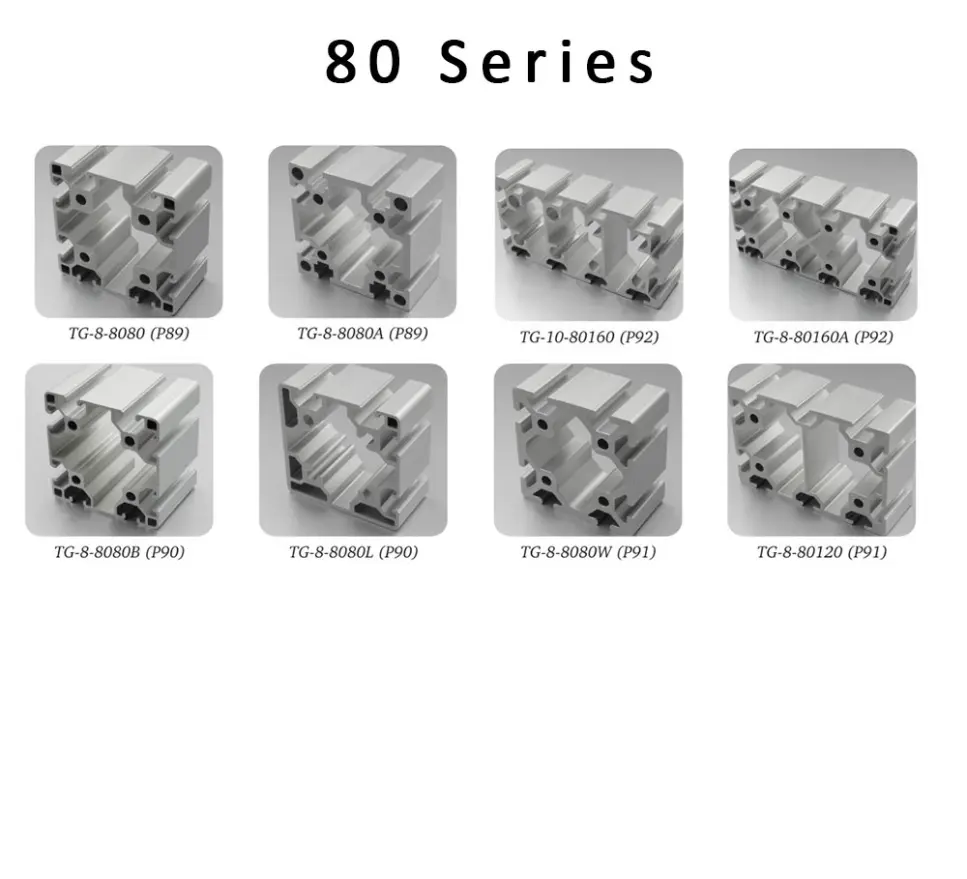
Go-to picks include tough aluminum like 6061 and 6063. They carve easy and hold strong. Line series such as 3030, 4040, 6060 fit too. Stainless steps up for extra pull power or rust fight in bad spots.
Factors Influencing Material Choice: Strength, Weight, Corrosion Resistance
Light picks like aluminum trim total load. They keep punch though. Stainless wins in spots needing max pull or tough rust blocks. What’s more, it lasts in killer setups.
Surface Finishing Techniques to Enhance Performance
Finishes polish the look. They add shields too.
Anodizing for Corrosion Protection and Aesthetics
This builds a tough oxide skin on aluminum. It fights scrapes and boosts style. Colors run from silver-white to black. Pick what fits the gig.
Deburring, Polishing, Sandblasting, and Other Surface Treatments
Other tricks smooth burrs for safe hands. Sand blasts give flat tones. Buffing adds gleam. All lift work and eye appeal. Besides, they seal out harm.

Advantages of Custom CNC Machining Over Standard Bracket Solutions
Off-the-shelf brackets miss bends. Custom CNC fills that hole quick.
It fits odd shapes or tight spots. Standard stuff flops there. Sensors land best. No harm to the rig or reach.
Setup speeds up. No fiddles or tweaks needed. That cuts errors in fixes too. Reliability climbs.
Scale easy from tests to floods. Validate a sample with CNC. Then roll big with the files. No redraws. No tool waits.
Quality Control in CNC Precision Machining
Tight checks keep brackets on point. They last and work true.
Inspection Methods: CMM, Optical Comparators, Surface Roughness Testing
CMMs check sizes against sketches. Optical tools eye outlines. Roughness gauges test face feel. Together, they cover all before ship-out.
Ensuring Consistency Across Batches
CNC paths run auto. They match every go. Add checks at each step—from stock scan to pack. Raw to done, it stays even. Thus, trust builds run to run.
Meeting Industry Standards (ISO, RoHS Compliance)
Top shops hit marks like ISO 9001. RoHS rules safe stocks too. This meets green goals and tracks clear.
Introducing XiHui Aluminium – A Trusted Manufacturer of Aluminum Profiles

For solid custom CNC work on sensor brackets, XiHui Aluminium leads. They focus on aluminum tricks for factory jobs.
Company Background and Manufacturing Capabilities
XiHui Aluminium Co., Ltd. packs 33-plus years. They shape extruded aluminum for automation frames. Sensor holds count big.
Specialization in Extruded Aluminum Profiles and CNC Machining Services
Tens of thousands of molds sit ready. They fit most needs. Custom ones roll for odd asks. Deep work covers extrusion to coats like anodizing or blasting. End-to-end, no fuss.
Expertise in 6061/6063 Aluminum Alloy Processing
XiHui nails 6061 and 6063 in T5 or T6 states. These bring pull and rust blocks for rough runs. Loads and harms? They handle.
Services Offered by XiHui Aluminium
XiHui goes beyond cuts. Full fixes await.
OEM/ODM Support for Metal Parts Fabrication
OEM/ODM bends to your sketch. Bring it live fast. No big batch rules on basics like silver-white anodizing. Great for new teams or test phases before big pushes.
In-house Design Assistance and Rapid Prototyping
Assembly pros draw full plans. They tweak to your ask. This spots fixes early. Time to shelf drops. Re-dos cost less too. So, wins stack.
FAQs
Q1: What makes custom CNC-machined brackets better than off-the-shelf options?
A: Custom CNC-machined brackets shape to your sensor’s form and spot. They fit tight. Reliability holds under pulls and jolts. Setup flies by. Long runs beat generic picks hands down.
Q2: Can aluminum brackets handle harsh environments?
A: Sure. Mixes like 6061 and 6063 team with coats such as anodizing. Rust? They laugh it off. Great for chem hits or wet factories. Other metals quit sooner.
Q3: Is it possible to scale from prototype quantities to full production runs?
A: You bet. Nail a test with precision CNC. Then flood out. CAD files and auto paths copy exact. Big lots match small ones. No tool swaps. No hold-ups.