
With the quick pace of changes in product development, many industries now need manufacturing methods that deliver exact results and quick adjustments. Custom CNC aluminum machining stands out as a key element in this shift, which helps fields like aerospace, automotive, and electronics create parts with great durability, resistance to rust, and precise measurements.
Xihui Aluminum Company supplies tailored CNC-machined aluminum profiles designed for tough industry needs. These profiles blend cutting-edge CNC machining with tolerances of ±0.01mm, strong alloys like 6061 and 7075 from aerospace standards, and complete services. The services cover fast prototyping right up to surface finishing.
Customization has become essential, not just an extra option. This holds especially for small production batches or early prototype tests. CNC processing makes it simple to update designs quickly. At the same time, it keeps the core engineering standards intact.
Commonly Used Aluminum Profile Standards
Aluminum profiles fall into groups based on their form, type of alloy, and intended use. Typical shapes include square tubes, round tubes, and the now common T-slot profiles. When it comes to alloys, the 6000 and 7000 series lead in factory settings because of their solid mechanical benefits.
Industrial aluminum profiles consist mainly of aluminum mixed with other metals. Workers heat aluminum billets and push them through a die to form materials in different cross-sectional shapes. Yet, the mix of added alloys changes the strength and suitable uses for these industrial aluminum profiles. Standard rules make sure parts fit together well in modules. This allows easy links with connectors, screws, and automated setups.
Why Are 6000 and 7000 Series Alloys So Popular in Profiles?
6000 Series (6061, 6063): Ideal for Versatile Applications
Alloys 6061 and 6063 provide a good mix of toughness, protection against corrosion, and ease in shaping. They work well for building frames, protective casings, and cooling devices thanks to their fine balance of strength and low weight. Plus, these alloys take anodizing or powder coating without trouble, which boosts their look and lasting power.
7000 Series (7075): High Strength for Critical Structures
Aluminum 7075 delivers top-notch pulling strength and the ability to handle repeated stress, so it proves vital in aerospace and demanding mechanical setups. On the downside, it takes more effort to shape than 6000 series alloys. Thus, it calls for skilled tools and know-how.
Why Are T-Slot Aluminum Profiles Widely Adopted in Modular Design?
Functionality Without Complexity
People choose T-slot profiles because they allow easy modular builds without welding steps. For instance, 8020 T Slot Extruded Aluminum Profiles & V Slot Aluminium Extrusions for Structural Framing support speedy prototype work, and changes made right on the spot.
Industrial Use Cases
These profiles see heavy use in machine bases, automated production lines, safety barriers, and testing areas. Pipeline aluminum profiles often have square or rectangular shapes across their sections. Almost every industrial aluminum profile shows a square, even form with slots on all four edges and a slot in the center.
Material Selection Criteria for Aluminum Profiles
The pulling strength, bending point strength, and outer layer hardness play big roles in picking profiles. For structures that hold weight or move parts, even thickness in walls and the shape of the cross-section need to match the planned pressure levels.
How Does Surface Finish Affect Performance and Aesthetics?
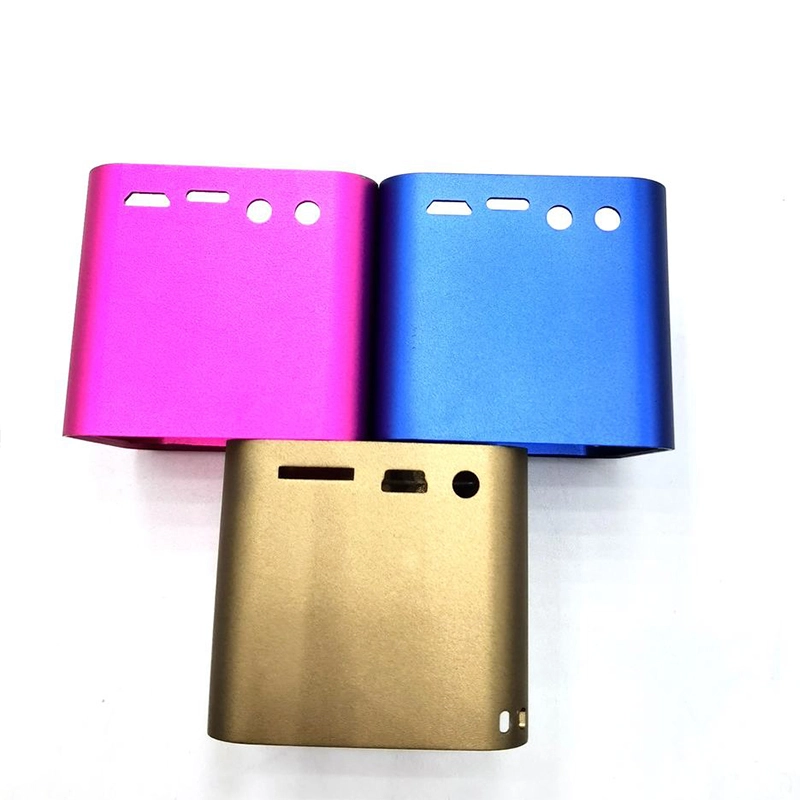
Treatments such as anodizing not only fight off rust better but also improve the visual side. Common choices like anodized, powder coated, sand blasted, polishing, mill finish, and others build up toughness, and they also let users pick custom looks.
How Do Environmental Conditions Dictate Alloy Use?
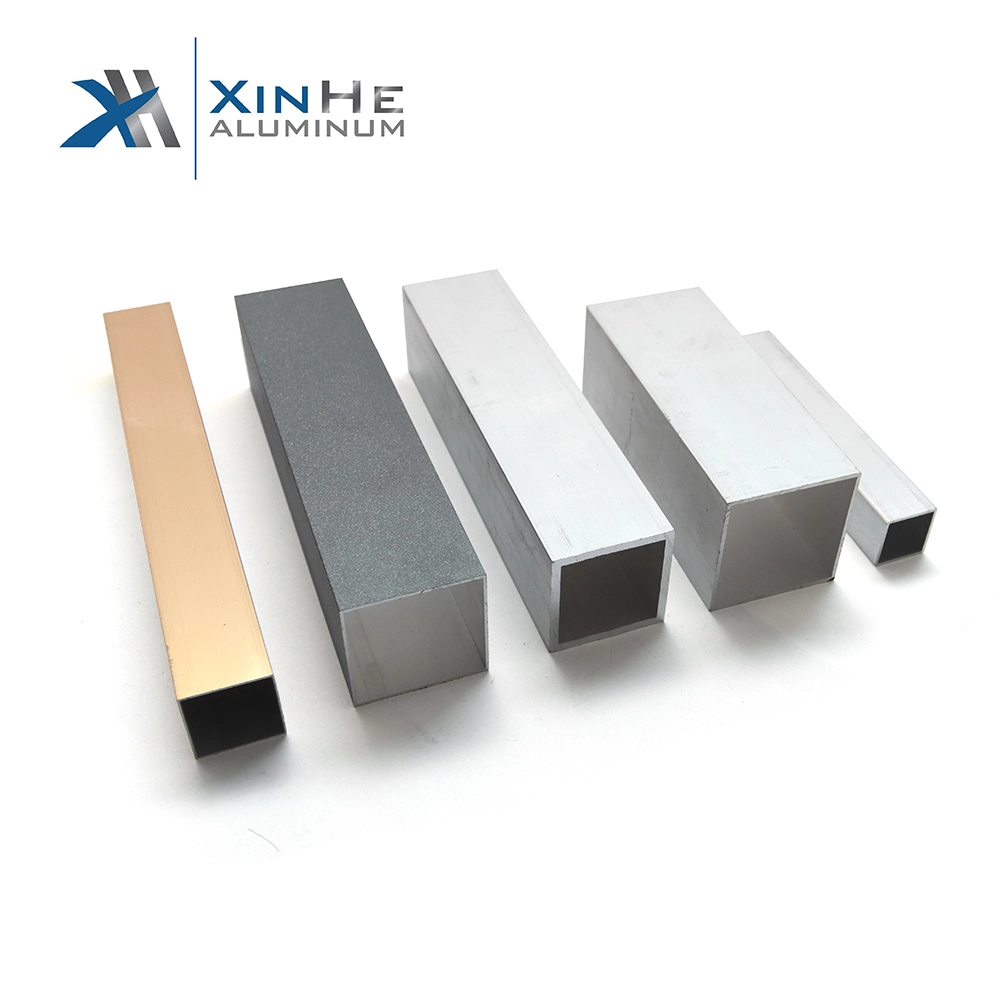
In salty sea settings or spots with harsh chemicals, alloys that resist rust more, like 6063-T6 or anodized 6005 profiles, stand out as better picks. Extreme heat or cold, along with sun exposure, push for special coatings. Options like hard anodizing or powder coating fit those needs well.
CNC Machining Integration with Aluminum Profiles
Milling & Drilling: Precision at the Core
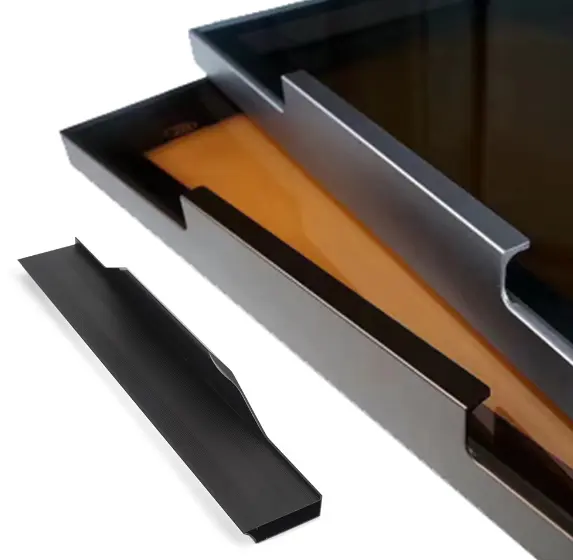
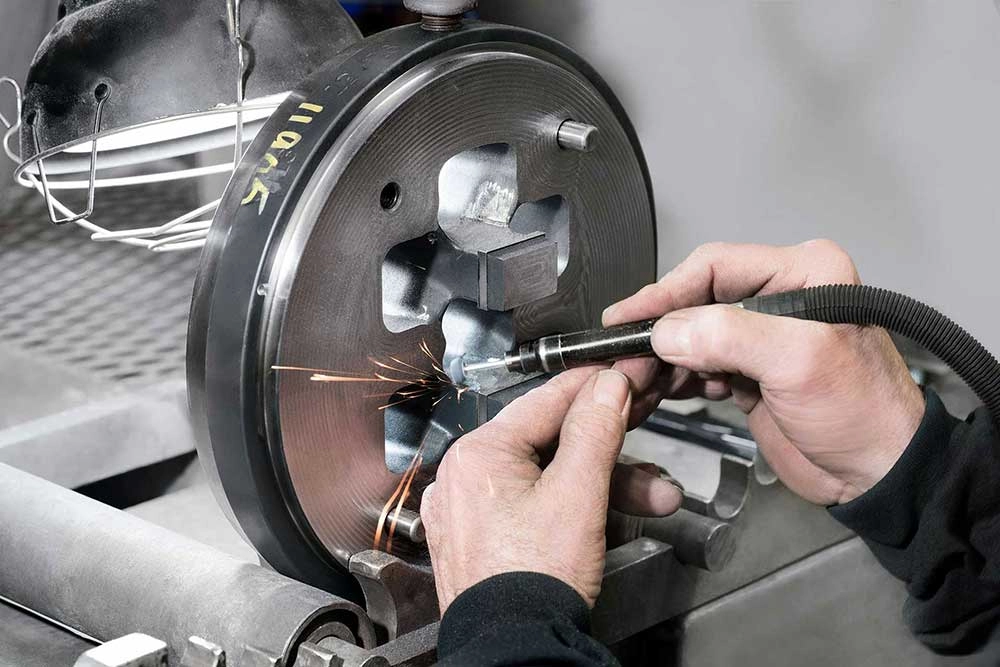
Through milling and drilling, workers add custom slots, openings, and connection points needed for parts that lock together or use fasteners. Such steps guarantee close fits that matter in today’s builds.
Tapping & Threading: Assembly Ready
Adding screw threads right into the profile cuts out the use of extra pieces or supports. This simplifies putting things together. It also strengthens the overall build.
What Are Key Design Considerations for CNC Machinability?
Uniform Wall Thickness
Keeping the wall thickness steady helps prevent shakes during cutting that could harm the surface smoothness and exact sizes.
Corner Radii Optimization
Pointed edges wear down tools faster. So, adding suitable rounded edges lengthens tool use and smooths out the cutting process.
XiHui Aluminium: Precision Manufacturer of Custom Aluminum Profiles
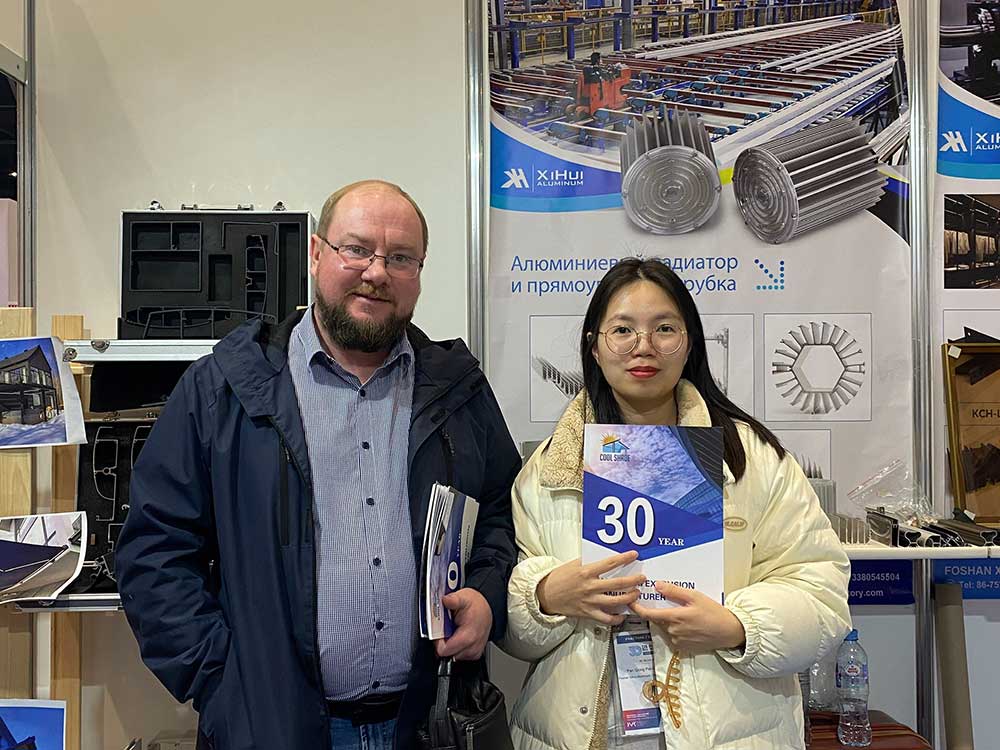
The company brings 30 years of hands-on work in the field, focusing on exact aluminum extrusion and CNC tasks. It runs 15 extrusion lines and more than 40 machines for further processing. These handle tolerances of ±0.01mm in areas like aerospace, automotive, medical tools, and electronics. Check out our CNC aluminum machining capabilities for strong parts built from top alloys such as 6061 and 7075.
Starting from CAD sketches or real samples, the firm handles the whole path to finished goods. This includes prototyping, small runs, anodizing, packing, and shipping worldwide. Certified under ISO 9001, the methods produce light yet sturdy parts that resist corrosion well.
Strict quality checks run from the starting aluminum billet all the way to the end review. Every piece holds steady quality in groups. Using aluminum over 98% pure gives great ease in cutting and heat handling.
Surface Treatment Options Available for CNC-Machined Aluminum Parts
Choices include Type I with chromic acid, Type II with sulfuric acid, and Type III for hard anodizing. Each brings different guards against rust and harder surfaces. Type III suits aerospace or outdoor setups that face heavy wear. Powder coating lays down a thicker layer that holds up better than regular paint, and it stands against chips, sun harm, and color loss. At the same time, it opens up endless options for colors and styles.
How Sandblasting & Polishing Enhance Appearance & Surface Texture?
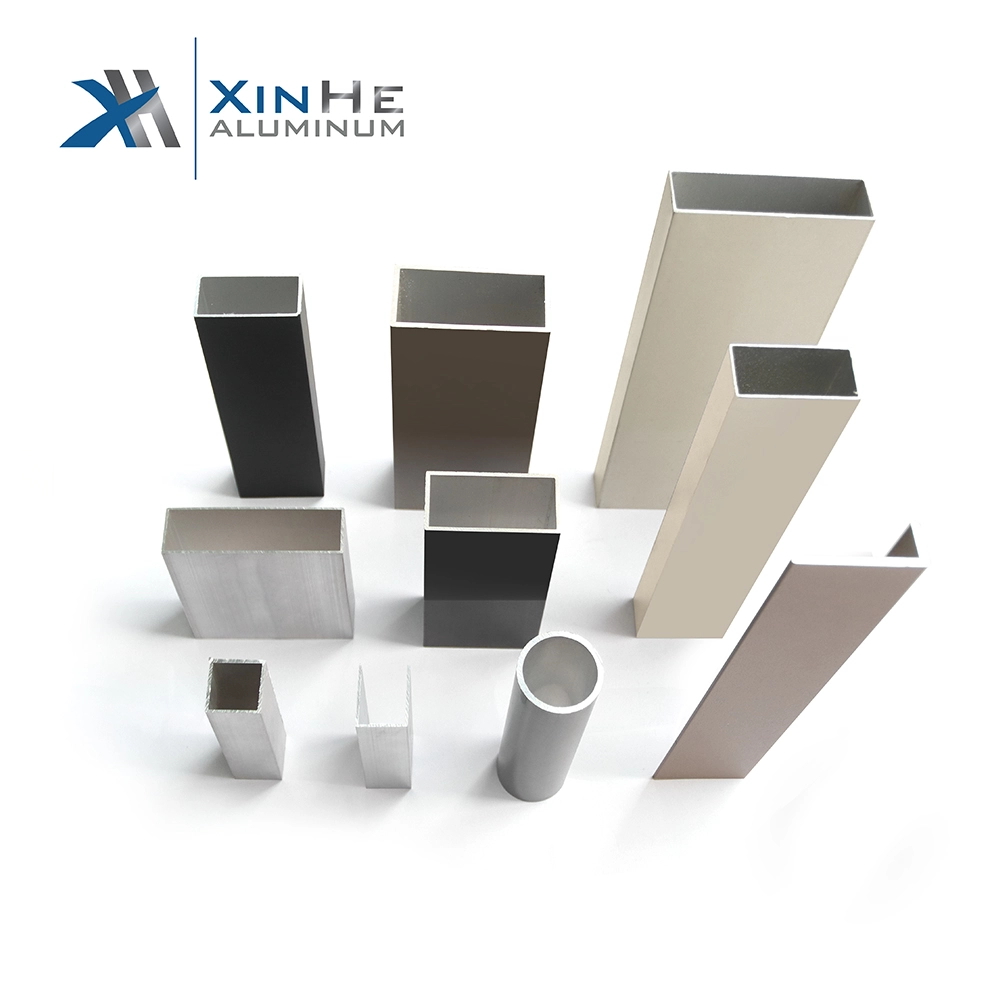
Sandblasting gives a dull finish that covers cut marks before other treatments like anodizing or painting. Polishing brings out shine, which works great for items seen by customers, such as electronics or home goods.
Application Fields of Custom CNC Aluminum Profiles
Aerospace work demands lightweight above all, without losing solid build. Here, parts like support brackets, mounting setups, and casings from 7075-T6 take the lead.
Why Is CNC Fitment Vital in Automotive Systems?
In cars, items like cooling sinks or panel supports need tricky shapes. Five-axis machining handles these for fits that meet high standards. Look into our 5-axis CNC machining service to see how we help the auto and medical areas with detailed aluminum work.
How Do CNC-Machined Heat Sinks Improve Electronic Systems?
Profiles with built-in fins go through laser cuts and milling to form heat sinks tuned for lights or circuit boards, and this boosts heat control a lot.
Customer Support & Service Workflow at XiHui Aluminium
Yes! XiHui Aluminium runs an online quote tool. You can load up your CAD files in formats like PDF, STEP, DWG, or DXF. Then, note the materials, finishes, tolerances, and amounts. Usually, you hear back in 24 hours. For samples, turnaround hits as quickly as seven days, based on how involved the work is. Engineers who focus on your project offer feedback on the design for making. They help with changes or updates over time, which keeps performance steady through all production steps.
Highlighting Success Through Project Outcomes
Linking CNC prototype steps with extrusion plans from the start aids growth. Feedback on design for making the move from one test piece to large batches smoother.
Summary Insights
Aluminum profiles, in particular modular T-slot types, serve as the main support in current factory designs. Their flexibility and fit with CNC cutting tools make them key. For alloys, the 6000 series mixes good value with solid work, whereas the 7000 series shines in build-heavy tasks. XiHui Aluminium sets itself apart by providing top extrusion builds plus exact follow-up cutting, and this turns basic ideas into working parts.
FAQ
Q1: What is the minimum order quantity (MOQ) for custom aluminum CNC machining?
A1: The MOQ varies with part details but often begins as low as 10 units per style at XiHui Aluminium. Our setup allows for flexible small runs.
Q2: What surface treatment options are available for machined aluminum parts?
A2: Options cover anodizing in Type I, II, or III; powder coating with chosen colors; sandblasting for soft finishes; polishing for bright looks; plus chemical coatings if needed.
Q3: How can I get a quote quickly? Is there an online system?
A3: Yes! XiHui Aluminium has an online quote setup. Upload your plans there, and get a price back in 24 hours, depending on the job size.