
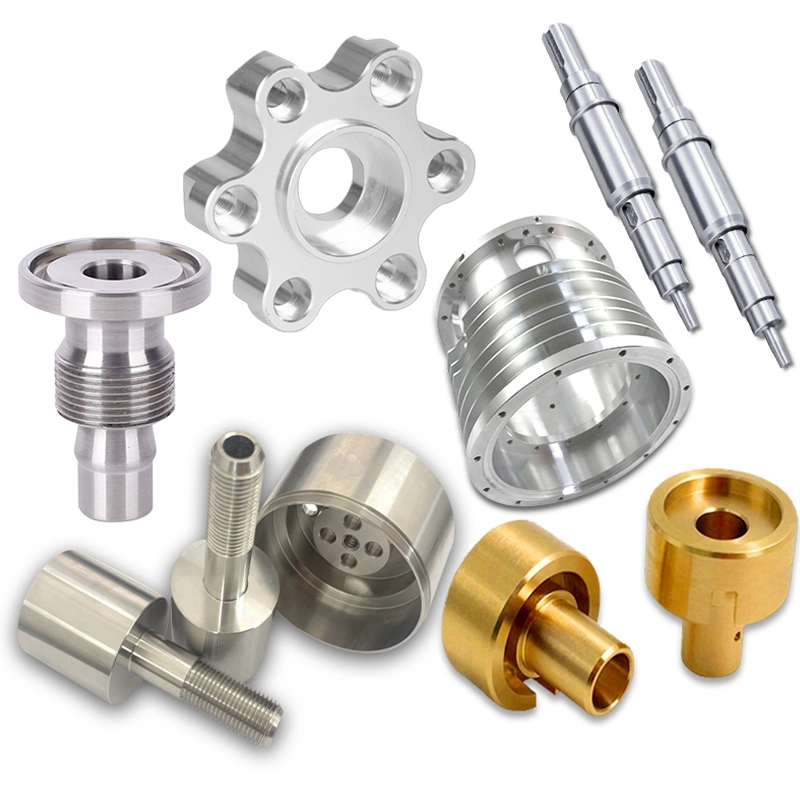
Custom CNC machining plays a vital role in the aluminum alloy sector because it offers remarkable accuracy and consistency. This method boosts the exactness needed to create detailed aluminum parts, which allows for complex shapes with tolerances as close as ±0.01mm. Such exactness proves essential in key areas like aerospace, automotive, and renewable energy.
Xihui Aluminum Company supplies precisely tailored CNC-machined aluminum profiles designed for demanding industries. These profiles blend cutting-edge CNC machining with ±0.01mm tolerances, along with high-quality alloys such as 6061 and 7075. Moreover, we provide full services from quick prototyping to final surface treatments. These steps not only satisfy but surpass the rising need for custom aluminum options. In turn, they convert innovative ideas into real, effective products that drive progress in various fields.
For businesses looking for trustworthy partners in this area, Xihui Aluminium excels with more than 30 years of knowledge in extrusion and CNC work. Our complete production setup features 15 extrusion lines, two anodizing lines, two powder coating lines, and 40 modern CNC machines. These can handle up to 20,000 tons each year. We focus on changing initial ideas into working prototypes and complete parts that show excellent durability and surface condition.
Characteristics of Hard Aluminum Alloys
Hard aluminum alloys stand out for their impressive mechanical traits. They provide a superior ratio of strength to weight, which suits them well for building applications that demand both firmness and low mass. These materials resist wear and bending under pressure effectively, and they also keep their size stable even in tough settings.
Our processes, certified under ISO 9001, produce sturdy yet light parts with strong protection against rust and good heat transfer. Adding elements like zinc or copper boosts toughness while preserving ease of machining. This balance remains key for top-tier materials such as 6061-T6 or 7075-T6 used in aerospace.
Common Applications of Hard Aluminum Alloys
Because of their solid mechanical features, hard aluminum alloys find broad use in aircraft structures, car frame components, robust machine bases, and parts under high strain in industry. Their capacity to handle changing forces without sacrificing weight savings makes them essential for current engineering projects. We make full use of these qualities in our CNC Milling Aluminum Extrusion Alloy Profile range, which delivers outstanding size precision and surface quality ideal for automation setups and building assemblies.
Characteristics of Soft Aluminum Alloys
Soft aluminum alloys contrast sharply with hard varieties by prioritizing flexibility rather than pulling strength. They shape or form readily via extrusion or curving without breaking. While their breaking point under force is lower than that of hard alloys, they offer superb defense against rust thanks to a shielding oxide coating on the exterior. This trait fits them perfectly for ornamental shapes or uses near water.
Common Applications of Soft Aluminum Alloys
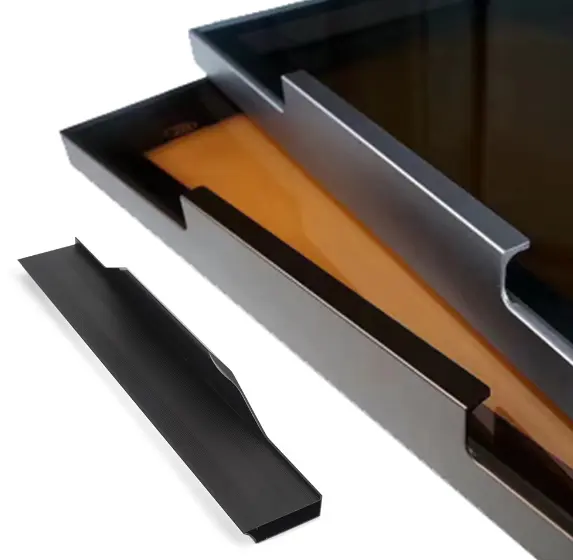
Soft alloys suit areas where bendability counts most, like wrapping materials, wire carriers, building edges, or slim casings. Their shaping ease gives creators more options in crafting unique forms for furniture setups or adjustable structures. In our manufacturing, we often apply these alloys to window borders and cabinet outlines where looks blend with practical strength.
Comparing Hard and Soft Aluminum Alloys
Deciding between hard and soft aluminum alloys hinges largely on surrounding conditions and usage needs. Hard types handle physical strain or heat changes more effectively, yet they might need extra layers to avoid rust in salty air. On the other hand, soft types fend off corrosion on their own but could warp under intense weight. Thus, picking the right alloy requires weighing force demands against exposure risks. We refine this choice through our design advice services that come with each custom request.
XiHui Aluminium: Leading Manufacturer of Custom Aluminum Profiles
We have earned recognition as a top manufacturer of finely crafted aluminum profiles in China by merging modern tools with skilled know-how. Aluminum industrial profile, industrial aluminum extrusions, and industrial aluminum alloy profiles refer to alloy materials primarily composed of aluminum. Aluminum billets are heated and extruded to produce aluminum materials with various cross-sectional shapes. However, varying proportions of added alloys result in industrial aluminum profiles with different mechanical properties and application fields. Our latest facility links extrusion machines that create very thin items as slim as 0.4mm thick, all while sticking to GB/T 5237‑2008 standards for close precision.
Customization Capabilities at XiHui Aluminium
Our tailoring options go further than basic stock items; we craft unique answers from customer sketches or examples. Customizable, with customizable size and color. Size: Mold made according to customer drawings. Color: Various colors, such as anodized, sprayed, and wood grain, are available for customization. If you want anodized layers for building style or powder-coated exteriors for lasting use in factories, we adjust every profile to your details and keep a steady quality in all orders.
Quality Control and Industry Experience
Ensuring quality underpins all our work. Each phase, from melting the base metal to last checks, adheres to strict ISO 9001 rules backed by automatic tools that confirm sizes within tiny margins. With over three decades of serving markets in more than 120 countries worldwide, our background guarantees dependability on tricky global tasks that call for varied approvals.
Applications of Custom CNC-Machined Aluminum Profiles by XiHui Aluminium
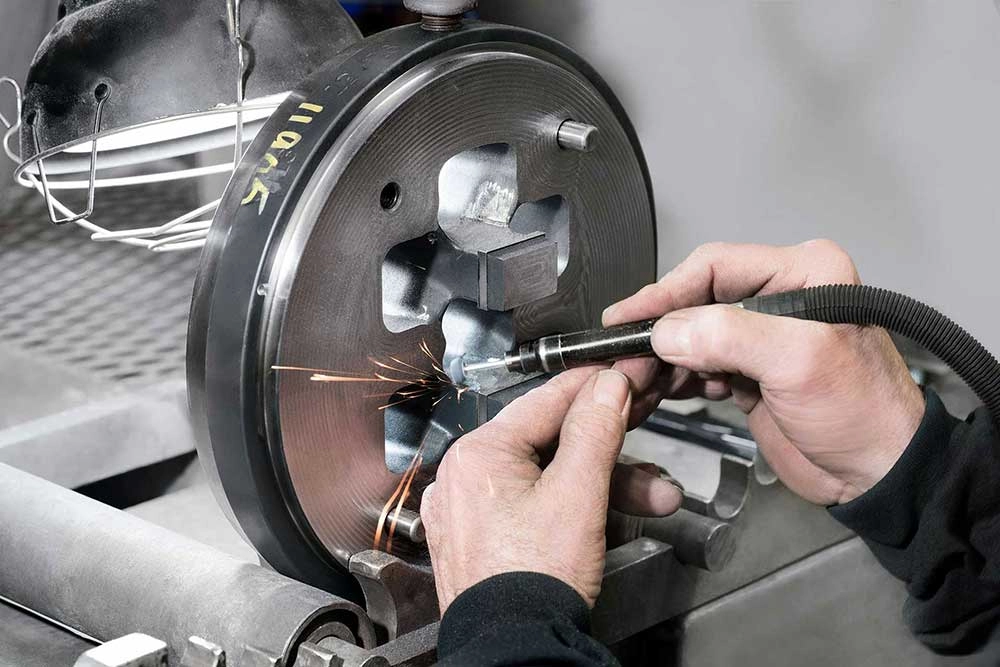
Our machining unit delivers broad services like rotating, cutting, boring, laser slicing, smoothing, pressing, curving, joining, and shining, all done on multi-direction CNC setups that achieve ±0.002 mm exactness in control. Service: CNC Machining , CNC Milling and Turning , Laser Cutting, Drilling, grinding , Bending , Stamping , Welding, and so on. This range lets us help customers with both early models and large production quantities in a smooth way.
Industries Benefiting from Customized CNC Processing
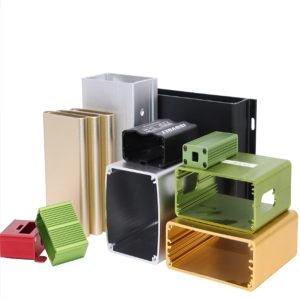
Our items aid many sectors, such as aircraft building that needs light frames; car production that requires steady part strength; electronics that use cooling shells; and health tools where clean anodized outsides matter. Every field gains from our combined process that joins extrusion planning with exact machining in one place.
Surface Treatment Options Available
We supply various finishing choices like anodizing to boost rust protection, sandblasting for a dull look, powder coating for diverse shades, polishing for shiny effects, and mill finish for natural metal views, making sure every part matches its planned setting well.
Client Support Services by XiHui Aluminium
Quick action counts in fast-paced supply networks today, so we keep brief wait times via efficient planning that promises shipment in 20–25 days after approval (adding ten more days for fresh molds). Our pricing group gives speedy cost reviews, and our specialists help refine designs prior to tool setup, cutting both launch time and total costs.
After-Sales Support
After shipment, our dedication to ongoing ties continues: we offer steady technical help, including setup tips, care advice for surfaces, help finding spare parts, and warranty programs for quality to boost client contentment over the full product life.
Conclusion
Selecting us involves teaming with a manufacturer that fuses fresh ideas with reliability at every step, from idea shaping to precise cutting and final putting together. Our all-in-one method cuts outside supplier issues while securing uniform metal traits in all pressed shapes, be they for building frames or factory automation. Through working with us, you access not just better goods but also game-changing fixes that shape your fresh thoughts into working items rooted in years of top engineering skill.
FAQ
Q1: What is the difference between hard and soft aluminum alloys?
A1: Hard aluminum alloys have greater pulling strength but less bendability than soft kinds, which provide more shaping ability yet reduced weight-holding power; the pick relies on exact building needs versus shaping wants.
Q2: How does CNC machining enhance the properties of aluminum alloys?
A2: It sharpens size accuracy to tiny scales while bettering surface evenness via guided tool routes; this leads to even force spread in cut areas, resulting in stronger endurance against wear.
Q3: What industries benefit most from custom CNC-machined aluminum profiles?
A3: Aerospace engineering uses them for light plane bodies; automotive manufacturers depend on them for power unit shells; electronics areas take them as heat control boxes; medical tool creators choose them for clean anodized layers—each drawing on the alloy’s mix of power and rust defense before reaching out to us for custom project teamwork chances.