
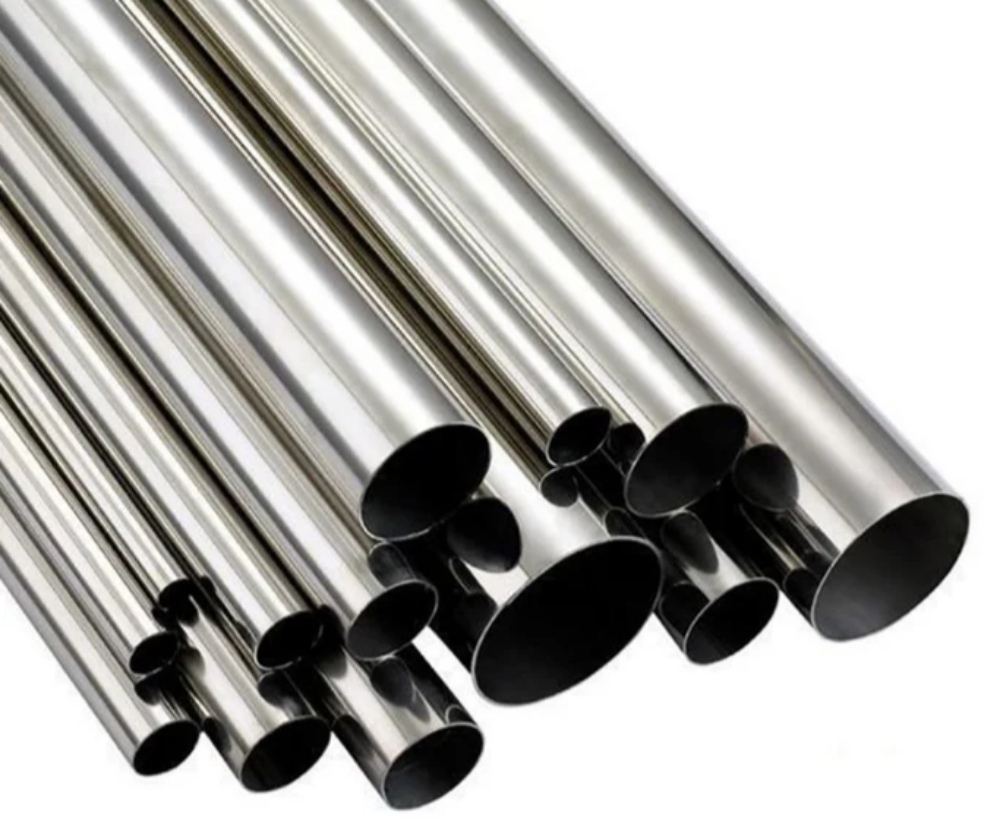
When assessing if an aluminum pipe bends easily, its mechanical traits matter most. Tensile strength, yield strength, and elongation determine the pipe’s response to stress. Alloys with strong tensile strength but poor elongation, like 6061-T6 offers good strength, but it can be more crack-sensitive in tight-radius bends unless bend radius, tooling, and pre-treatment are carefully controlled. On the other hand, alloys with better ductility enable smoother curves without breaks on the surface.
Mechanical Characteristics Influencing Bendability
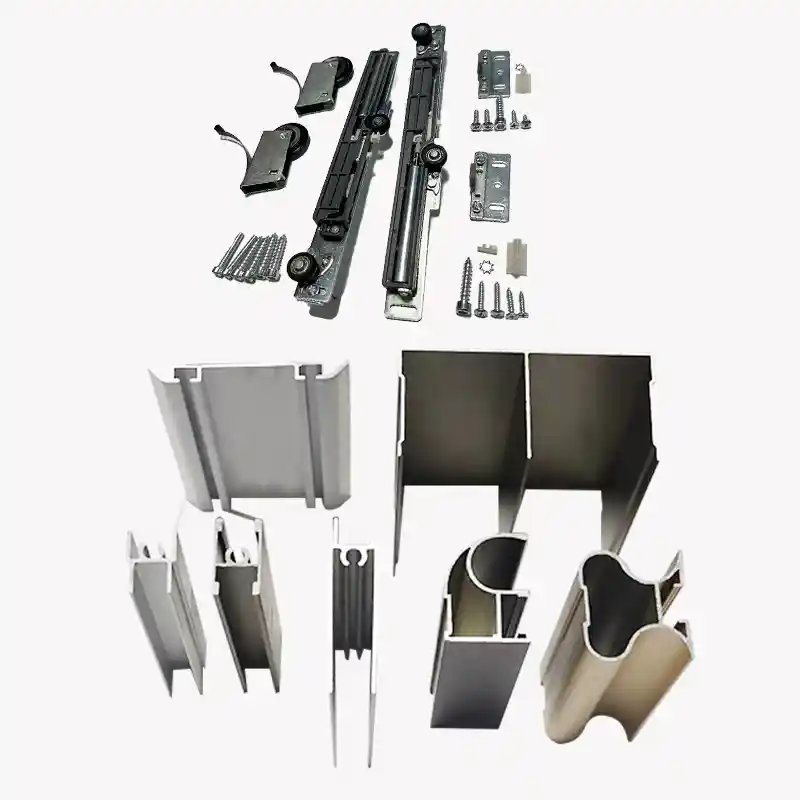
Aluminum Industrial Profile: industrial aluminum extrusions and industrial aluminum alloy profiles consist of materials mainly made from aluminum. We melt aluminum rods and extrude them to create aluminum items with varied cross-section shapes. Yet, the mechanical features and uses of these industrial aluminum profiles vary based on the alloy mix added. This shows that the alloy makeup directly impacts flexibility and resistance to breaks during bending. Heat treatment states also matter greatly—T4 temper gives balanced strength with good shaping ability, while T6 temper boosts firmness but lowers bendability.
Our production method guarantees steady quality in different temperatures of 6000 series aluminum pipes. For instance, the High-Quality Aluminum Pipes available in temper conditions from T3 to T8, with wall thickness from 0.4 mm and lengths up to 6 m. These make them suitable for both sturdy and exact bending tasks.
The Role of Pipe Dimensions in Bending Performance
Shape and size decide how well a pipe bends without damage or collapse. Wall thickness sets the smallest bend radius possible; thin walls need wider radii to avoid wrinkles or flattening. Likewise, outer diameter influences the power required for shaping—bigger diameters call for greater force and careful tool setup in CNC machines. The ratio of diameter to thickness serves as another key measure; high ratios raise the risk of oval shapes or inner buckling in bending processes.
In fields where size control counts, our extrusion setups handle outer diameters from 10 mm to 300 mm with more than 10,000 mold choices. This ensures a good fit between the planned design and actual making.
CNC Bending Technology and Its Application to Aluminum Pipes
Before exploring CNC bending technology, note that aluminum’s natural bounce causes springback—a problem that smart automation tackles using forecast models and servo controls.
Precision Control Through CNC Systems
Today’s CNC bending devices allow settable accuracy for tricky shapes. Servo-powered parts keep steady bend angles, even in items with multiple curves. Built-in software automatically handles springback common in aluminum alloys by bending a bit extra based on calculated rebound amounts.
We boast a strong R&D team that has created several patented items and leads in tech and fresh ideas. This base lets us deliver consistent precision in large production while meeting the strict limits needed by aerospace and building areas.
Tooling Considerations in CNC Bending of Aluminum Pipes
Tool setup shapes the inside quality after bending. Choosing the right mandrel stops inner collapse in close bends by holding up the tube’s inner side during changes. Good lubrication cuts down on friction damage to soft alloys like 6063 or 3003, avoiding scratches or rough spots on smooth finishes. Tool material hardness and die surface quality also affect size accuracy—finely ground tools provide even wall thickness after bending.
Our CNC aluminum services combine mandrel bending with live tracking systems that spot force changes during shaping. This improves both speed and trust for each group of items.
Factors Affecting the Ease of Bending Aluminum Pipes
Bending ease relies not just on machines but also on picking the right alloy and handling temperature based on metal traits.
Influence of Alloy Type on Bendability
Among typical alloys, 6061 gives solid strength but fair shaping in the T6 state; softening it before bending boosts results a lot by bringing back flexibility. Alloy 6063 offers fine surface quality and better bend ability, ideal for building profiles where the look stays uniform. At the same time, alloy 3003 remains a top choice for close bends due to its great pliability from manganese that aids grain movement.
Common profile series: 3030, 4040, 4545, 5050. Common aluminum alloys: 6060, 6061, 6063. Tempers are T5 and T6. These materials explain how each alloy acts under force in shaping tasks.
Temperature Control During the Bending Process
Managed heating briefly raises pliability by aiding shifts in the inner structure, cutting crack chances, especially in firm states like T6. But avoid too much heat, as it can cause grain expansion that weakens the strength after bending. Keeping even heat across different section sizes ensures steady curves without local twists.
Our making process includes auto heat watch systems that tweak induction heating settings on the fly by pipe size and alloy kind—backing both room-temp shaping speed and heat-aided bendability when needed.
Managing Common Challenges in Aluminum Pipe Bending with CNC Techniques
Tough projects often face size bounce or surface flaws; these can be handled with smart forecasting tools built into our digital steps.
Addressing Springback and Dimensional Accuracy Issues
Forecast modeling in CNC software fixes elastic return by setting target angles ahead of time. Step-by-step bending refines the full shape when various curves meet in one part—key for car frames or HVAC paths needing mixed forms.
Preventing Surface Defects During Forming Operations
Even clamping pressure stops dents, and guard films protect fancy coated surfaces from tool marks. Inner Packaging: Protective film, pearl cotton. Outer Packaging: Shrink wrap and Kraft paper. These packing rules reflect our care for surface care from extrusion to end delivery.
Optimization Strategies for Industrial Applications
Optimization goes further than making; it covers ahead-of-time testing, model checks, and full-check methods to meet world standards.
Integrating Simulation and Testing in Production Planning
Element-based modeling foresees shape changes before bending starts, cutting test costs, and boosting repeat success in big batches. Info-based tweaks from loops between model results and real outcomes build process trust over time. Our linked system ties design software to machine guides for a smooth shift from CAD plan to real sample—a key trait of our CNC aluminum services setup that aids custom aluminum extrusion machining worldwide.
Quality Assurance Practices in CNC-Bent Aluminum Components
Harm-free tests like sound wave checks confirm wall soundness after shaping without harming the part’s use. Size checks with coordinate machines ensure fit to aerospace limits or car fit needs based on the job.
Having a strict quality control system, we have our own QC team to control the products’ quality for all our clients’ orders before loading. This promise covers every stage from raw material pick to final ship check.
Introduce XiHui Aluminium
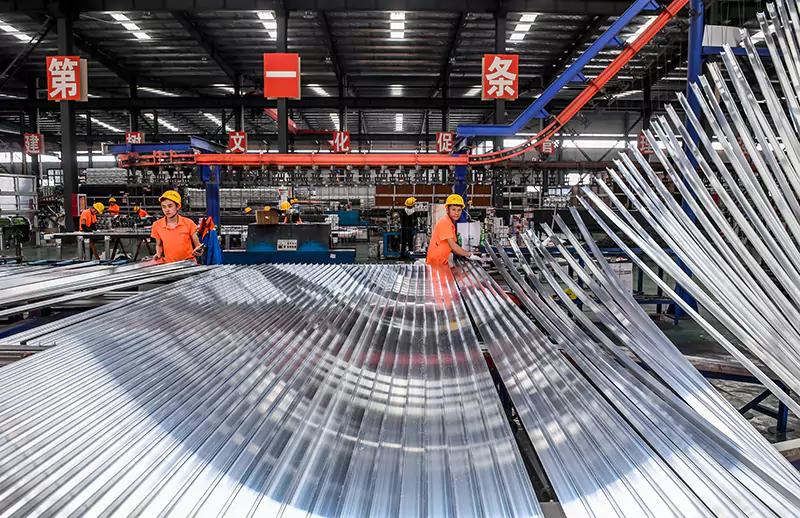
As a skilled aluminum extrusion manufacturer with 33 years of know-how, XiHui Aluminium focuses on high-accuracy aluminum pipes for building frames and machine setups. XiHui Aluminium Co., Ltd., located in Shishan Town, Nanhai District, Foshan City, specializes in aluminum extrusion profiles and is good at manufacturing ultra-thin material. Our site covers over 10,000 m² with fifteen extrusion lines, two anodizing lines, two powder-coating lines, and forty CNC deep-processing units able to produce up to 20,000 tons yearly for over 120 partner countries around the world. We offer OEM & ODM services fit to client shapes, backed by quick mold work in seven days—perfect for those wanting exact solutions at fair prices with lead times as short as 7–15 days for selected projects, depending on mold, finish, and order requirements.
To talk about your next task with custom aluminum pipe bending or advanced CNC machining fit for sturdy uses, please contact us via our main site, where our tech team will help quickly with advice and price info.
FAQ
Q1: Which aluminum alloy is best suited for tight-radius bends?
A1: Alloy 3003 is most suitable due to its high malleability, allowing smooth deformation without cracking even under small radius conditions compared with harder alloys like 6061-T6.
Q2: How does heat treatment affect aluminum pipe bendability?
A2: Heat treatments such as T4 improve flexibility, whereas T6 enhances hardness but reduces ductility; therefore, annealing before bending restores formability, which is especially useful in structural applications requiring precise curvature control.
Q3: What measures ensure dimensional accuracy during CNC bending?
A3: Advanced servo-driven systems combined with predictive compensation algorithms minimize springback while multi-step sequencing maintains geometric fidelity across complex assemblies, ensuring repeatable precision throughout production batches.