
The specific heat of aluminum stands as a key thermophysical trait that shapes how well the metal takes in and gives off thermal energy in production settings. During extrusion, operators heat billets and push them through dies to create intricate shapes. This trait controls temperature steadiness and overall process effectiveness. Since various aluminum alloys vary in their makeup, each type shows distinct ways of handling heat. That affects how it forms.
What Determines the Specific Heat of Aluminum in Extrusion Applications?
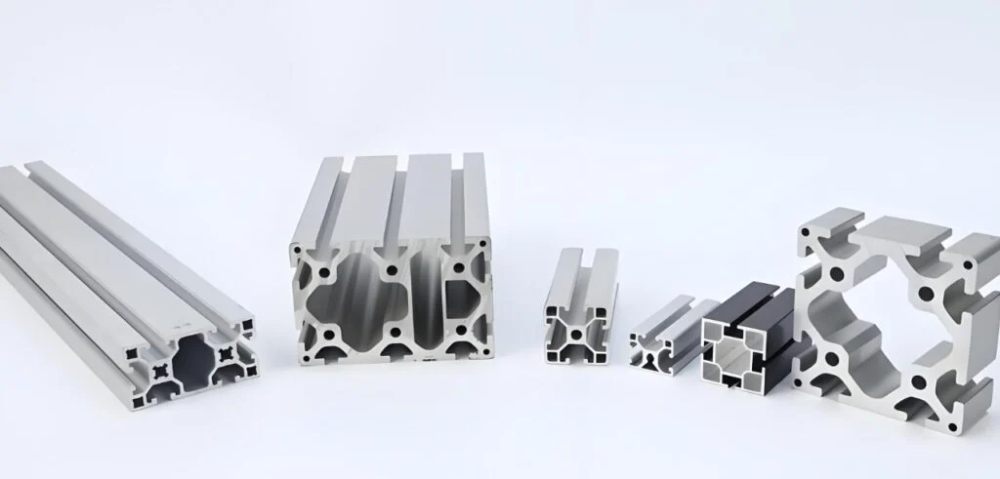
Aluminum Industrial Profile: Industrial aluminum extrusions and industrial aluminum alloy profiles consist of materials mainly made from aluminum. Workers melt aluminum rods and extrude them to produce items with varied cross-sections. Yet, the strength and uses of these industrial aluminum profiles change based on the mix of added alloys. So, small shifts in elements such as magnesium or silicon can change the specific heat capacity. In turn, this influences the speed at which the material hits extrusion temperatures and the evenness of its cooling later on.
How Does Specific Heat Affect Thermal Efficiency During Extrusion?
When specific heat is higher, aluminum keeps its thermal balance despite changes in furnace or die temperatures. Thus, it supports steady flow in extrusion and avoids hot spots that might lead to flaws in the structure. Better heat movement not only boosts size precision but also cuts down on energy use in ongoing tasks.
XiHui Aluminium Co., Ltd., based in Shishan Town, Nanhai District, Foshan City, focuses on aluminum extrusion profiles and excels in making ultra-thin items. Their modern anodizing and powder coating setups also refine thermal results by offering managed surface emissivity. As a result, this leads to more uniform cooling right after extrusion.
How Is Heat Managed During Aluminum Extrusion Processes?
Regulating temperature forms the core of getting even material flow across the whole billet. Too much or uneven heating might cause twisting or built-up stresses in the extruded shape. Systems for controlled cooling rely on exact details about aluminum’s specific heat to predict how it solidifies.
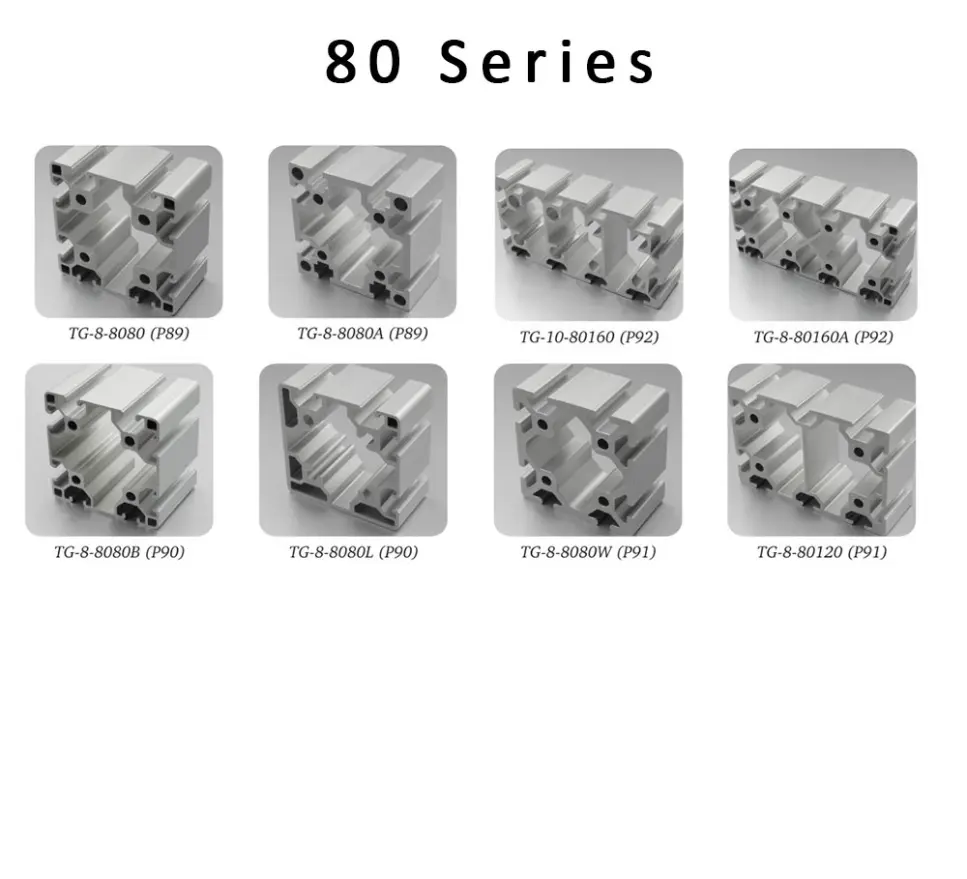
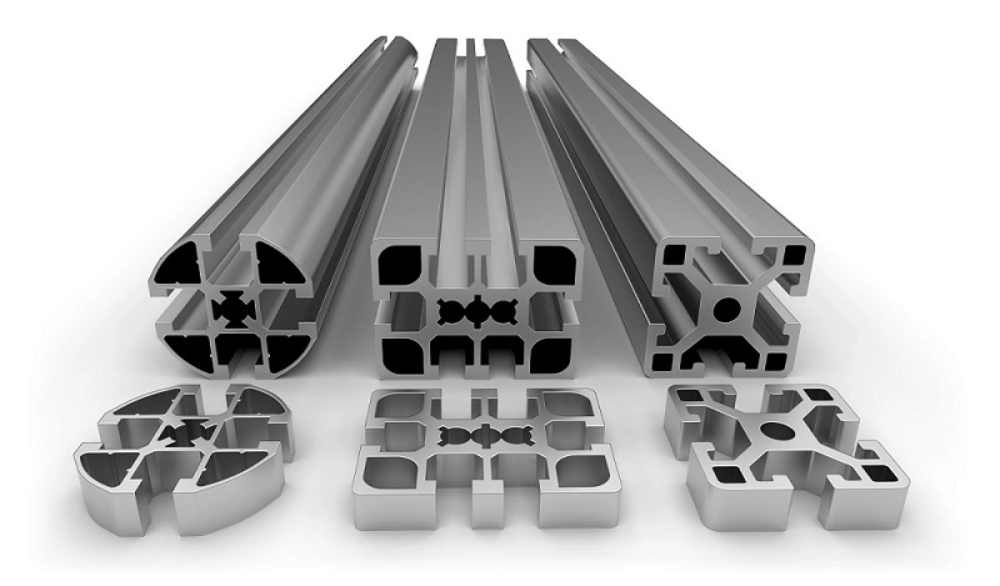
Aluminum profiles for assembly lines appear in square and rectangular forms. Nearly every industrial aluminum profile shares these features: square shapes, even sides, slots on all four edges, and a middle part. This even design helps with balanced heat release during cooling. Consequently, it reduces bending or leftover stress buildup.
Why Is Specific Heat Important for Extrusion Quality Control?
Keeping a proper thermal setup proves vital for cutting down surface issues like waves or splits while also ensuring evenness inside. The specific heat figure directly guides choices on die materials, lubricant picks, and changes to cooling speeds. Today’s modeling tools weave these details into computer setups to forecast end product traits before starting real work. For example, our Extruded Aluminum Alloy Profile blend fine-tuned alloy mixes with careful thermal planning to deliver top-notch size steadiness and strength.
What Are the Latest Developments in Aluminum Extrusion Technology?
Changes in extrusion methods have grown both direct and indirect approaches via better control setups and more intelligent materials. In direct extrusion, new ideas aim at boosting billet heating by matching temperature paths to the heat capacities of specific alloys. Alloys with strong specific heat keep things uniform over tricky cross-sections, which lowers uneven stress levels.
How Do Indirect Extrusion Systems Benefit from Advanced Thermal Monitoring?
Indirect extrusion arrangements cut down on friction heat between the billet and container, improving size accuracy and easing tool damage. Linking with live monitoring tools lets workers tweak settings on the fly using response cycles based on noted temperature gaps.
Our OEM custom manufacturing aluminum extrusion show this blend clearly—pairing alloys with high specific heat and flexible process oversight guarantees reliable output in big batches.
Can Digital Modeling Improve Thermal Design Accuracy?
Indeed. Computational fluid dynamics (CFD) setups mimic temperature spreads through the full extrusion process, allowing tweaks before hands-on tests start. Machine learning tools sharpen these mimics by studying shifts in specific heat across aluminum types. Digital twins copy whole production setups in virtual space so experts can try new die shapes or cooling plans without stopping real work.
How Does Specific Heat Contribute to Sustainability and Energy Optimization?
Materials with good specific heat traits naturally use less power in handling because they need smaller boosts for each degree of temperature rise. Recycled aluminum holds almost the same thermal qualities as fresh metal, backing circular economy aims by shrinking waste and pollution.
How Are Renewable Energy Sources Integrated into Modern Extrusion Lines?
Solar-based preheating setups make use of aluminum’s strong ability to absorb energy for green power in billet prep phases. Loops for recovering waste heat grab leftover warmth from furnaces to apply in later steps—a method that fits worldwide goals for cutting carbon. Merging green sources with exact thermal handling not only drops running costs but also improves sustainability scores for buyers wanting eco-approved chains.
What Is the Future Outlook for the Aluminum Extrusion Industry?
As worldwide sectors move to lighter builds and green making, the need for heat-tuned extrusions keeps rising in areas like cars, planes, gadgets, and buildings. Smart plants with sensors will track live temperature patterns along full press lines soon, tweaking pressure or pace automatically from data in built-in heat sensors.
Which Technological Advancements Will Shape Next-Generation Production Lines?
Flexible control systems will draw on steady input from specific heat check cycles to adjust process details right away. Mixed making—joining extrusion with adding methods—will allow complicated shapes that the old ways couldn’t reach. These steps offer not just more design room but also big drops in waste per made part.
To aid this shift, we at FOSHAN Xihui Aluminium lead with full solutions that mix advanced CNC machining and tightly controlled extrusion suited for today’s needs. We bring 33 years of field know-how, running a site with fifteen automatic extrusion lines, two anodizing lines, two powder coating units, and forty CNC machining centers able to make up to 20,000 tons each year. Our group focuses on ultra-thin materials meeting GB/T 5237-2008 rules and offers full OEM & ODM services—from idea sketching to finish touches—to fit wide industry needs around the world.
Our top High Precision Custom CNC Machining shows how exact machining with strong thermal care creates parts fit for automation gear and green energy setups alike.
Buyers looking for tech teamwork can connect via our online paths on the service page of our main site; no need for direct contact info, as our engineering crew replies fast with custom advice and help.
Market Implications and Strategic Opportunities
Growing focus on energy-saving setups will push funds into alloys built for fine-tuned specific heat traits. Joint work between material experts and process pros will speed up new ideas across the full chain—from raw billet forming to after-extrusion finishes—ensuring steady work in tough conditions.
FAQ
Q1: Why is specific heat crucial when selecting an aluminum alloy for extrusion?
A1: Because it sets how much power is needed to lift the metal’s warmth in shaping; alloys with greater specific heat enable easier warmth shifts, cutting chances of overheating or breaks in fast runs.
Q2: How does digital simulation improve consistency in aluminum extrusions?
A2: CFD-driven digital twins copy true conditions in virtual form, so experts can change die shapes or cooling speeds before making starts—lowering test expenses while raising evenness in products.
Q3: What advantages do recycled aluminum extrusions offer compared to virgin materials?
A3: Recycled alloys keep almost the same specific heat levels as fresh ones yet have sharply lower carbon tracks; they help manufacturers hit green rules without losing strength, wholeness, or look quality.