
The evolution of aluminum alloys in modern engineering stems from the push for accuracy, durability, and low weight. Custom CNC machining holds a key role in fulfilling these needs, which allows the production of detailed shapes with tolerances as tight as ±0.01mm. CNC machining boosts the mechanical qualities and size precision of aluminum components. This is especially true in fields like aerospace, automotive, and electronics. There, dependability and mass reduction matter most.
In areas where part breakdown cannot be tolerated, the skill to customize aluminum alloys via CNC machining proves essential, and it could be a support bracket in an airplane or a heat control piece in gadgets. The call for materials with strong yield strength keeps rising.
What Drives the Market Toward Stronger Aluminum Alloys?
Engineering fields are shifting away from old-school steels. They move toward sophisticated aluminum alloys that provide a better strength-to-weight balance. Businesses look for aluminum alloys with ideal yield strength and fatigue endurance. This is key as designs face greater moving and heat stresses. Such needs have fueled fresh ideas in alloy creation. These focus on parts where tiredness and yield limits shape how long they last.
Mechanical Properties of Advanced Aluminum Alloys
Yield strength marks the pressure point where a material starts to change shape for good. In aluminum alloys, it mainly depends on added elements, heat processes, and tiny structure management. For example, the 7075-T6 alloy shows outstanding yield strength thanks to its large zinc amount. Meanwhile, 2024-T3 gains its power from copper boosts.
These traits are crucial in weight-supporting uses where shape change needs to stay low. CNC machining helps keep these traits intact, and it does so with managed heat backgrounds and exact chip clearing. Thus, it preserves the part’s solid structure right through making.
Why Is Fatigue Resistance Critical in Structural Applications?
Fatigue resistance means an alloy’s capacity to handle repeating stresses without breaking, which matters a lot in airplane wings, car suspension setups, or sea structures that deal with changing loads. Uses in aerospace and transport demand top fatigue results under shifting load situations. Improvements like grain smoothing and small additions of scandium or zirconium greatly lengthen fatigue lifespan. Plus, surface polish methods such as shot peening cut down stress build-ups on cut surfaces.
Comparative Analysis of High-Strength Aluminum Alloys
7075 series alloys are closely associated with aerospace uses. Zinc serves as their main added element, and they offer one of the top strength-to-weight balances among common aluminum types, which fits them well for wing supports, body frames, and other vital builds.
Is 6061 Aluminum Still Relevant for Structural Components?
Yes. Though not as tough as 7075 or 2024 series, 6061-T6 gives a fine mix of power (yield strength ~276 MPa), rust resistance, and joinability. It often appears in support beams, vehicle bodies, and barriers where easy cutting is vital.
Where Does 2024 Stand in Terms of Fatigue Performance?
With its copper-heavy makeup, 2024-T3 shines in fatigue endurance but falls short in rust protection compared to others. It sees wide use in plane body covers and pull-loaded parts. Yet, it usually needs anodizing or covering to guard against rust.
What Are the Advantages of 7050 and 7475 Alloys?
Both 7050 and 7475 match 7075 in high power levels, but add better resistance to stress-induced rust. These alloys aim for long life in tough settings, and they suit landing gear parts and heavy plane sheets.
Factors Influencing Mechanical Performance of CNC-Machined Parts
Heat treatment steps, like solution heating, then timed aging, and spark precipitation hardening. This method sharpens the tiny structure and heightens block to shift movement—lifting both yield strength and fatigue endurance.
Can Grain Structure Be Optimized Through Alloy Design?
Yes. Tight grain setups reached by quick chilling or small additions (such as scandium) boost mechanical evenness and slow crack starts, which helps a lot when cutting thin walls or tricky shapes that need steady power spread.
Why Does Surface Finish Matter So Much?
Cutting can create rough spots on surfaces that turn into crack starting points under ongoing stress. Surface fixes like anodizing and shot peening are key to easing these flaws. Anodizing raises rust resistance while keeping the size steady. Shot peening builds pressing stresses that slow fatigue crack spread.
CNC Machining Techniques Enhancing Alloy Performance
Top-notch tasks like multi-way CNC milling guarantee tolerances inside ±0.005 mm. This is vital for seal faces or snug join setups. Multi-way cutting backs complex shapes without harming wholeness, and it lets designers have more room in planning without losing quality.
Which Surface Treatments Enhance Durability After Machining?
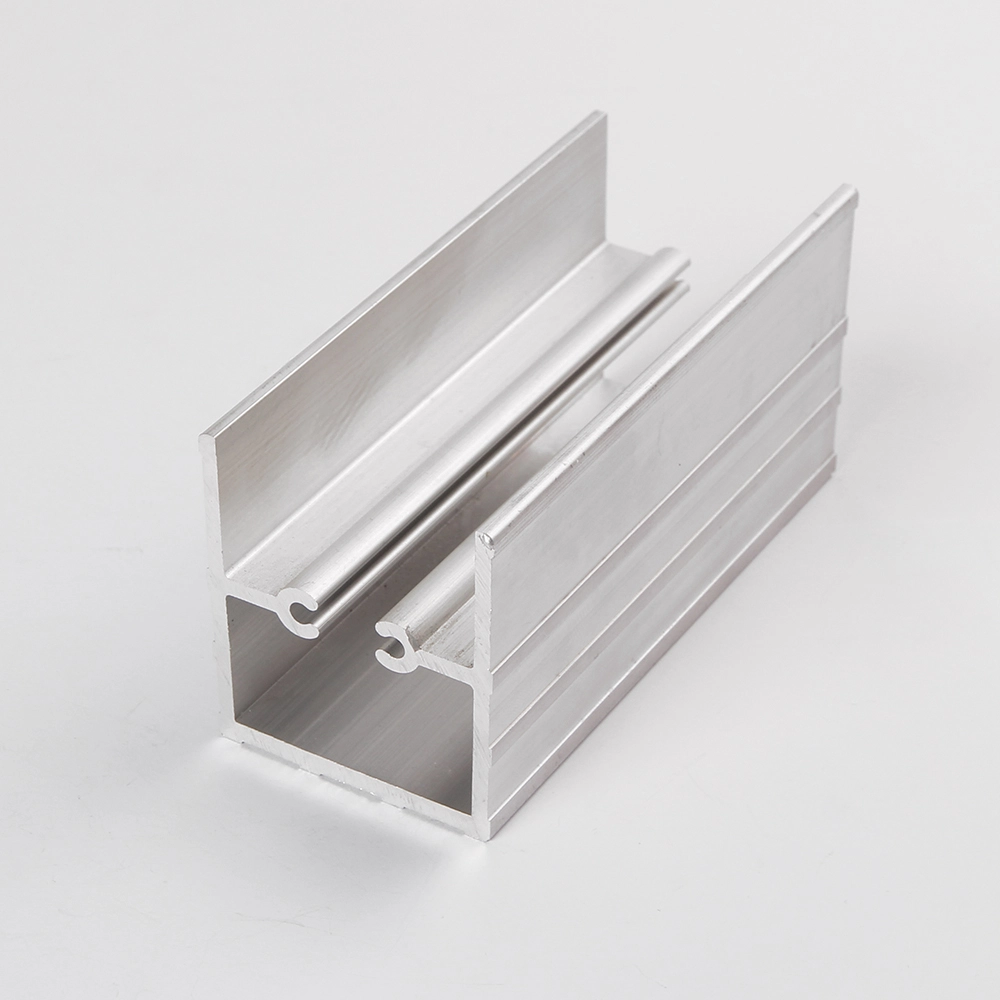
Anodizing
This electric-chemical method not only boosts rust resistance but also gives a smooth finish without changing part sizes.
Shot Peening
A strong way to grow fatigue life by making leftover pressing stresses. These fight back against the pulling forces in use.
Powder Coating
Beyond adding visual appeal, powder coating brings an extra shield against rubbing and outside harm.
Applications of High-Yield Strength Aluminum Alloys in Industry
Parts such as wing supports, body ribs, and landing gear legs depend on high-yield aluminum alloys like 7075-T6 or 7050. They rely on these for their unbeatable strength-to-weight traits.
How Do Automotive Engineers Leverage These Alloys?
To cut vehicle mass without hurting safety, planners more and more pick high-strength aluminum alloys for frame pieces, underbodies, and crash handling setups.
Why Are These Alloys Chosen for Electronics Enclosures?
Heat-moving alloys like 6063 or 6061 go into heat sinks and gadget shells. They handle heat well while keeping the shape solid.
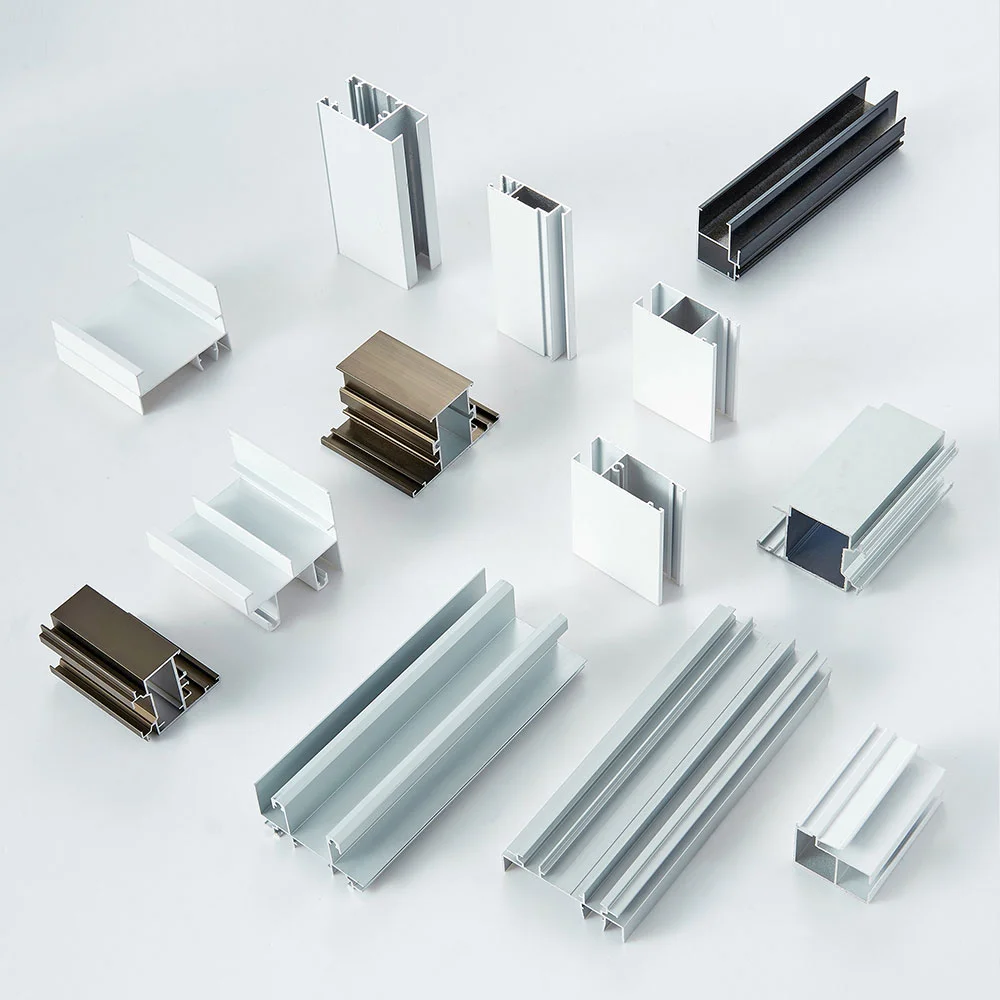
XiHui Aluminium: Precision Custom CNC Machining Services for Aluminum Profiles
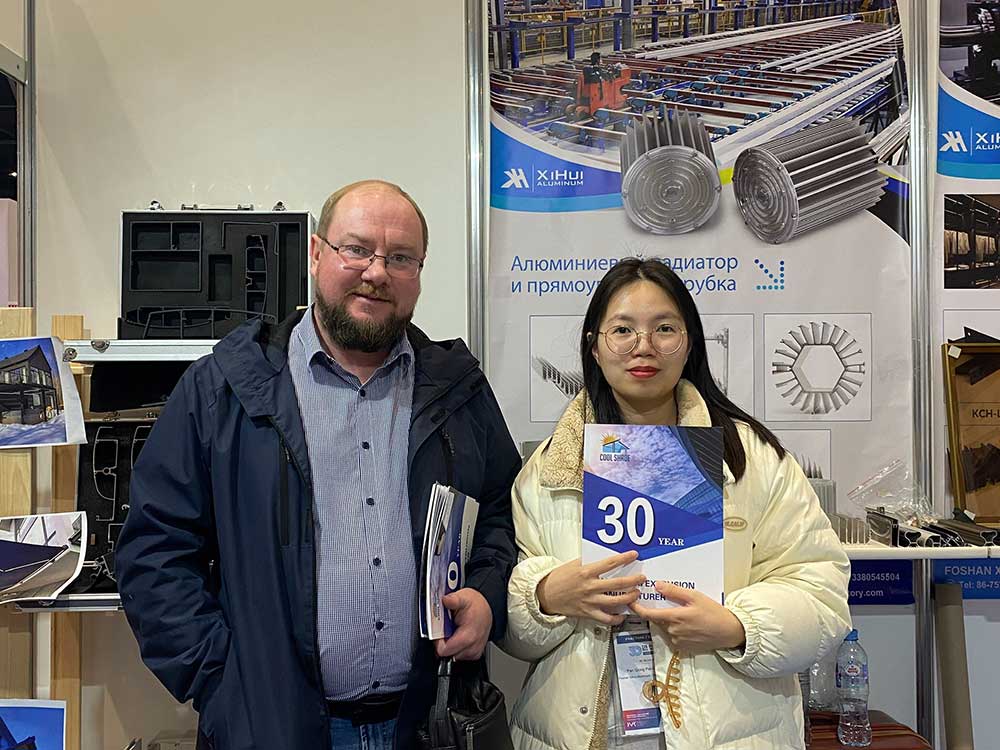
For cutting-edge CNC work on top-notch aluminum profiles, XiHui Aluminium emerges as a worldwide teammate. With more than 30 years in the field, they supply carefully made aluminum fixes suited to do-or-die areas. These include aerospace, medical tools, car systems, and factory automation.
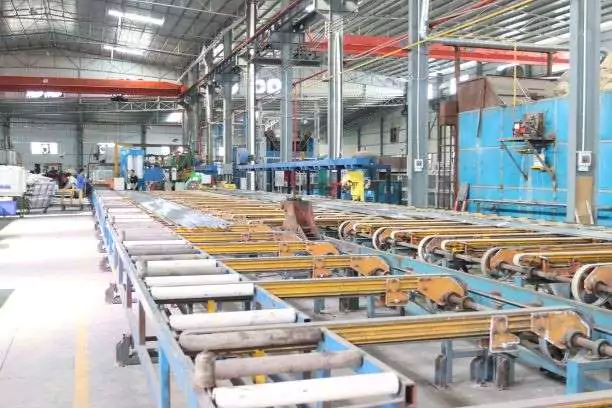
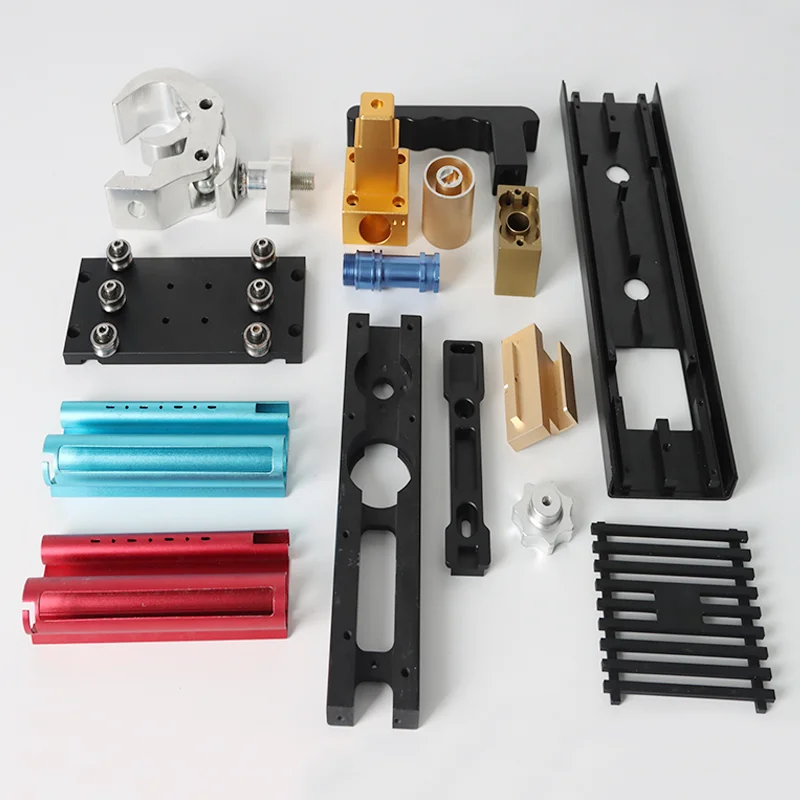
XiHui Aluminium firm supplies exact custom-cut CNC aluminum profiles built for key performance fields. They offer services like drilling, milling, tapping, laser slicing, marking, and powder coating—all under ISO 9001-checked quality setups. Their top 5-axis cutting skill handles complex shapes with high size repeat.
Customers gain from quick model building in 7–15 days, and they also get bendy minimum orders from only 10 units. Plus, after-sales tech help includes design tweak advice. Grab quick-turn fixes supported by on-site engineer aid and world shipping. This smooths your buying flow while making sure of prime product level. Feel free to contact XiHui Aluminium!
Summary and Strategic Insights
Aluminum alloys such as 7075-T6 and 2024-T3 stay vital in top-performance tasks because of their great yield strength and fatigue qualities. Still, newer types like 7050 build on rust resistance while holding mechanical soundness. Picking must match working loads and outside risks.
CNC machining lifts not only shape accuracy but also material output through guided after-work methods like shot peening or anodizing. For firms wanting full fixes from plan to done part drop-off, groups like XiHui Aluminium give start-to-end answers—from plan talk through last polish. This sets them as key mates in forward materials building.
FAQ
Q1: What is the minimum order quantity (MOQ) for custom aluminum CNC machining?
A1: XiHui Aluminium provides bendy MOQ choices starting from small-run output (as few as 10 pieces). This makes it perfect for model work or special part building.
Q2: What surface treatment options are available after CNC machining aluminum?
A2: Open treatments cover anodizing (clear/color), powder coating, sandblasting, brushing, polishing, and electrophoresis coating—each raising toughness or visual draw based on use needs.
Q3: Does XiHui Aluminium support structured data markup (Schema) for product listings?
A3: Yes, all product groups on xhalufactory.com use structured data markup (Schema.org). This boosts sight in search engine-rich outcomes like product traits, scores, costs, stock tags, and more. It thus lifts online findability.